U.S. and Armenia Sign Strategic Partnership Charter – Here’s What the Agreement Covers.

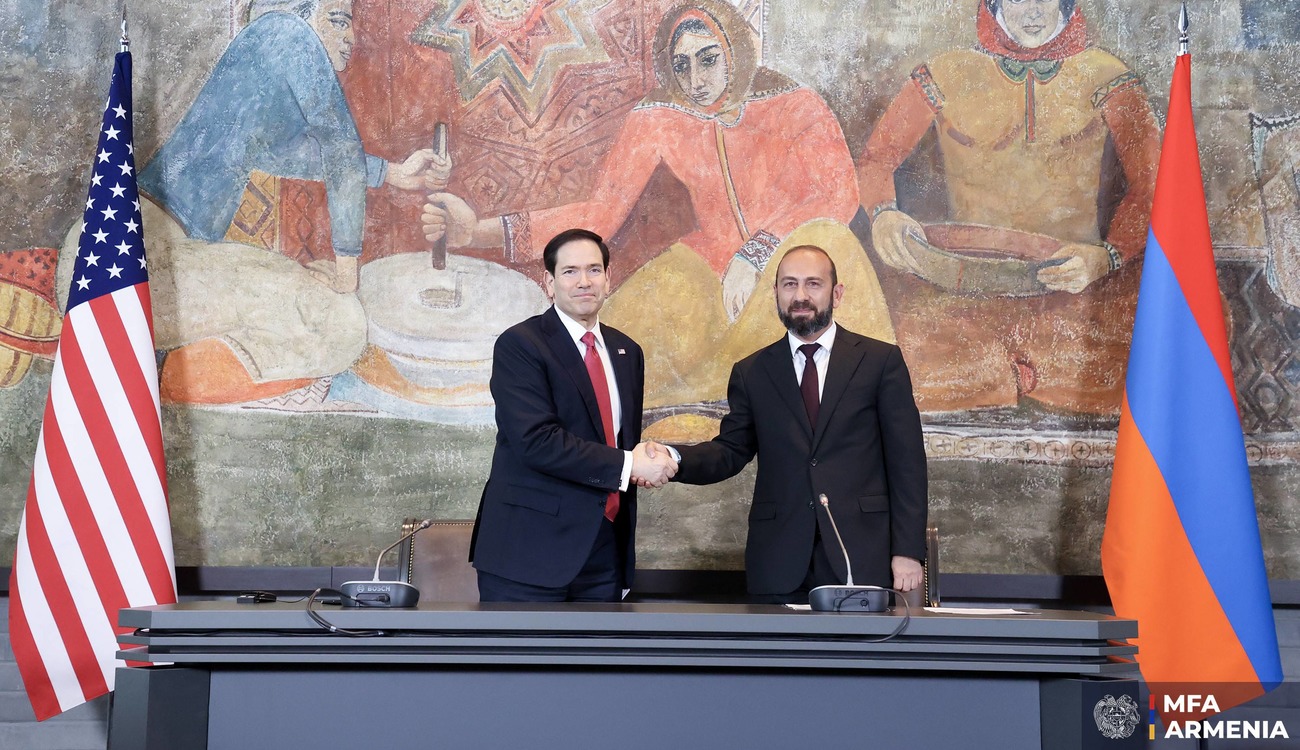
Strategic Partnership Charter Signed
According to UATV: On May 26, the United States and Armenia formalized a Comprehensive Strategic Partnership Charter, alongside several cooperation agreements addressing critical minerals. The move is designed to establish a new framework for bilateral relations between the two nations. U.S. Secretary of State Marco Rubio and Armenian Foreign Minister Ararat Mirzoyan signed the documents during Rubio’s visit to Yerevan, which came as part of his broader trip from India. This marks a significant step in U.S.-Armenia ties, reflecting Washington’s growing engagement in the South Caucasus region.
A New Phase in Relations
Ararat Mirzoyan described the relationship between Yerevan and Washington as entering a new phase, stating it has become 'stronger than ever.' This signals a deepening partnership that could impact various areas of cooperation. For his part, Marco Rubio underscored the importance of the signed Charter, declaring:
'We also signed the Comprehensive Strategic Partnership Charter, which defines the framework of bilateral relations and sets a new path that will benefit both Armenians and Americans.' – Marco Rubio
The signing took place just ahead of Armenia’s parliamentary elections, scheduled for June 7. Against this backdrop, the Kremlin may discuss Armenia’s membership in the Eurasian Economic Union during a summit on May 29 in Kazakhstan. Consequently, the new U.S.-Armenia agreements could significantly influence regional politics and economic cooperation.
This development highlights the strengthening of strategic ties between the U.S. and Armenia, with potential far-reaching implications for regional dynamics, particularly amid Western-Russian tensions. As Armenia deepens its relationship with Washington, it may prompt a reassessment of its role within the Eurasian Economic Union and other Kremlin-led regional initiatives. The timing of Armenia’s elections adds another layer to this context, as their outcome could shape the country’s future foreign policy direction.
Read also
- At Kyiv Summit, Zelensky Urges Europe to Maintain Pressure on Russia Through Sanctions
- Massive protests erupt across Ukraine after defense minister Fedorov is dismissed
- Repeating History: Why Ukraine Lost Its Liberation Struggle a Century Ago
- Russia’s Accusations Over Zaporizhzhia Engineer’s Death Dismissed by Ukraine’s Foreign Ministry
- CIA Director: Russian Soldiers Survive Only 30 Minutes on the Frontline
- US Greenlights License for Patriot Missile Production in Ukraine