The USA has blocked the global shipping emissions tax: what does this mean.

Postponement of the decision on the global emissions tax from shipping
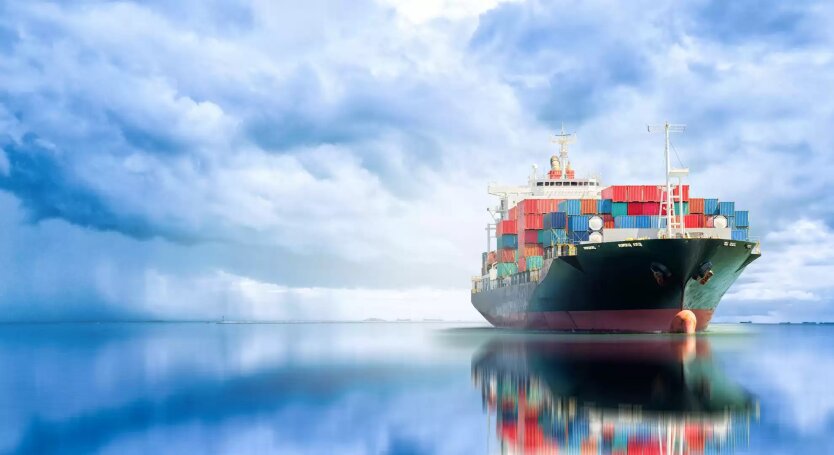
According to inkorr.com: At a meeting of the United Nations International Maritime Organization (IMO), representatives of participating states decided to postpone the adoption of the global emissions tax related to shipping for a year. Initially, a fee of approximately $380 per ton of CO₂ emissions was planned.
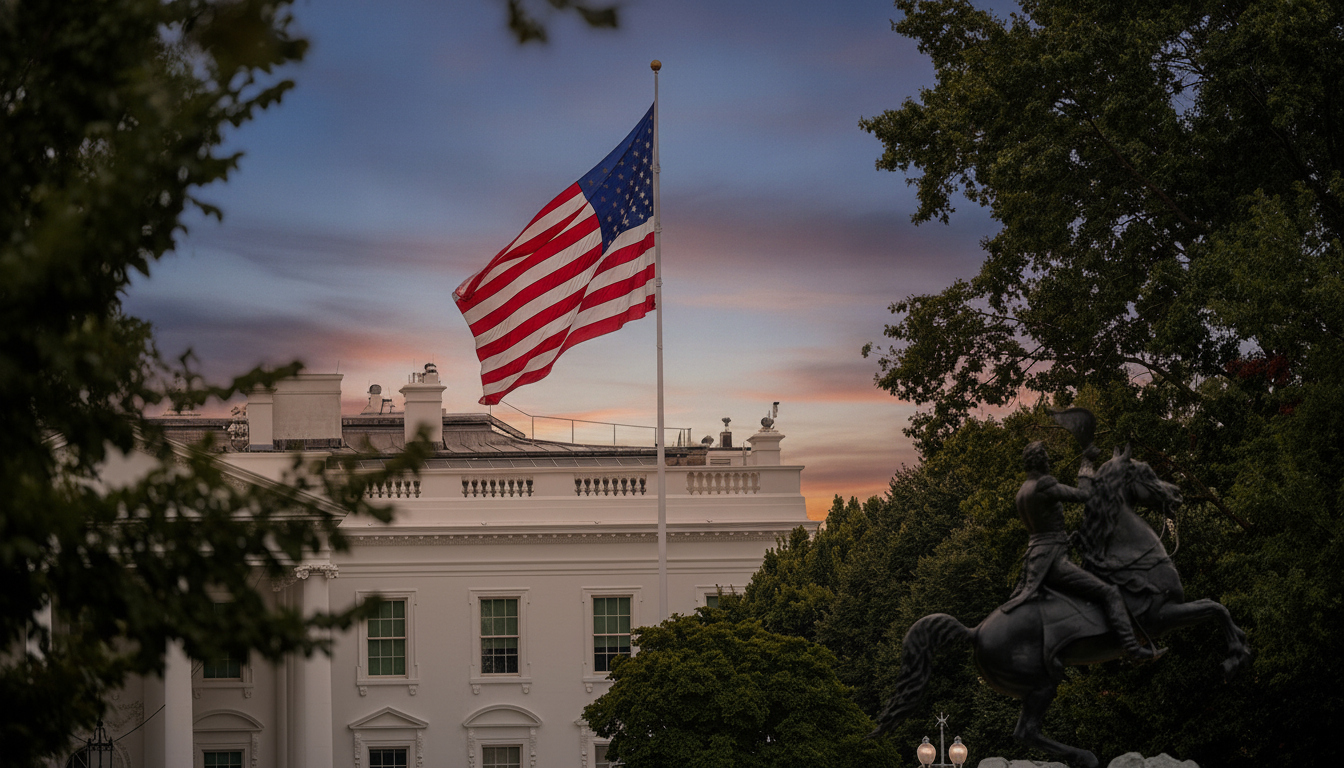
As reported by Bloomberg, the decisive role in the voting was played by the administration of U.S. President Donald Trump, which launched a massive diplomatic campaign against this decision.
American pressure and diplomatic activity
The decision to block the adoption of the tax resulted from coordinated actions by several U.S. federal agencies. According to sources in the State Department, Washington sent an official request to 108 countries asking them to support the rejection of the initiative.
'President Trump saved America from an absurd climate scam that was ruining our country,' said White House Press Secretary Taylor Rogers.
Support and opposition
The majority of European countries had previously supported this initiative, but were defeated in the latest vote. The USA received support from Saudi Arabia, Iran, and Russia, who opposed the introduction of this levy.
Reactions from environmentalists and business
Environmental organizations harshly criticized the decision to postpone, warning of possible negative consequences for the environment. The owner of Fortescue Metals Group urged the international community not to allow pressure to prevail over justice.
Trump's appeal to delegates
Before the vote, President Trump urged delegates to reject the proposal for a global green tax on shipping, describing it as a scam. Despite the opposition, discussions on this issue will continue next year.
Thus, the U.S. activity and support from other countries have led to the postponement of the decision on the implementation of the global emissions tax in shipping for one year. Discussions on this issue will continue against the backdrop of protests from environmentalists and support from the U.S. president, which may impact further environmental initiatives in this area.Read also
- New U.S. Tariffs Hit 60 Nations: Here Are the Rates for the EU and Russia
- Russia’s Oil and Gas Revenue Set to Surge by 60%—Here’s What’s Driving the Jump
- IMF Disburses $690 Million Second Tranche to Ukraine: Where the Funds Are Going
- Russia’s Budget Deficit Could Hit 7 Trillion Rubles—What Are the Default Risks?
- Expert Sets Critical Threshold: 60% of Russia's Oil Refining Capacity Must Be Destroyed
- Russia Faces Imminent Fuel Crisis: Why Refinery Recovery Is Nearly Impossible, Expert Warns