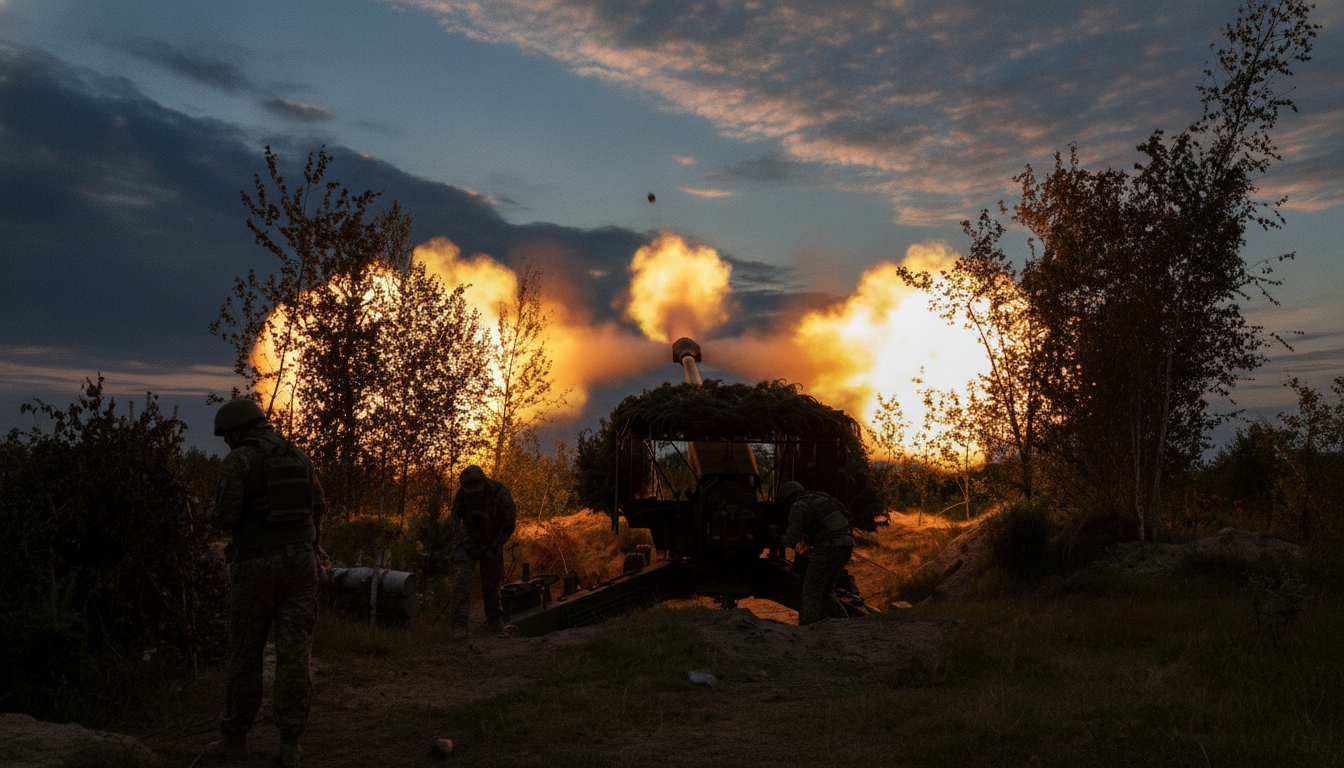
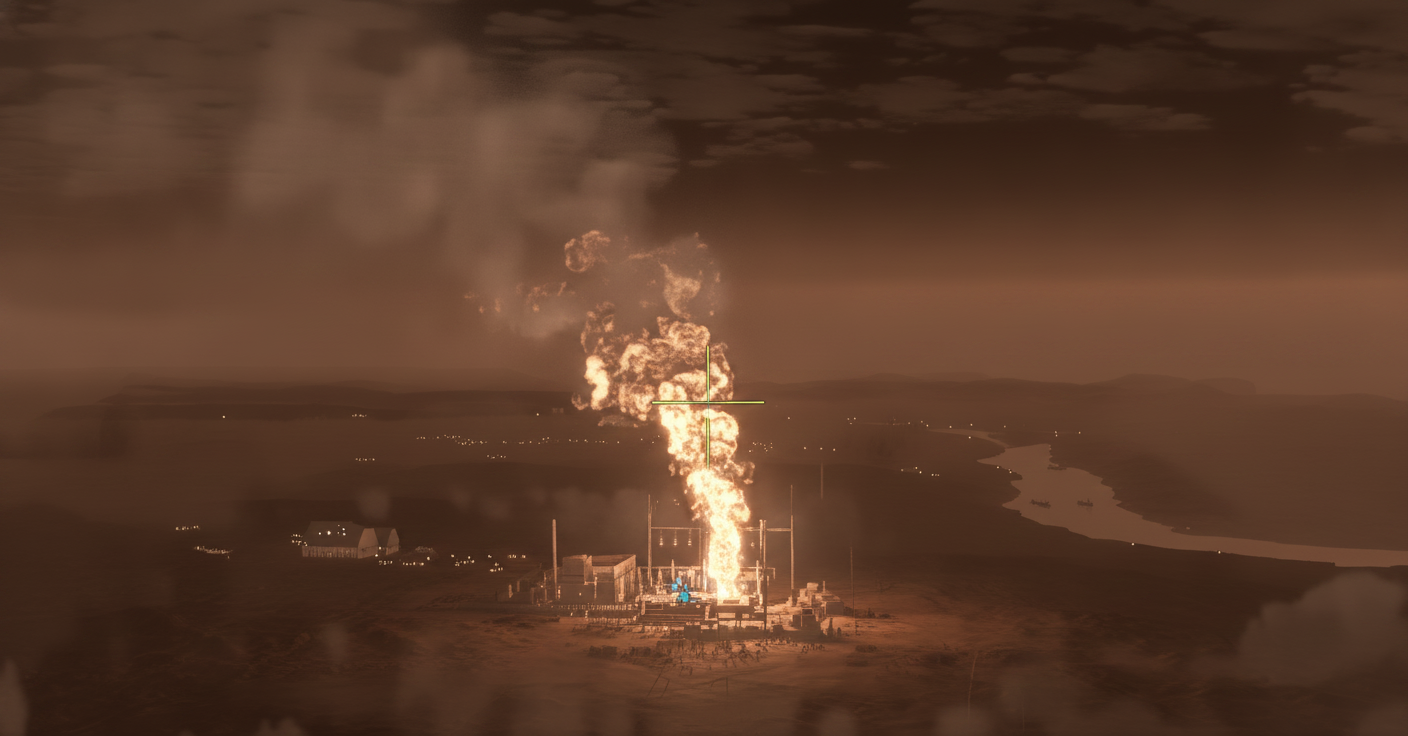
Fresh U.S. Strikes Target Iran After Two American Soldiers Are Killed.

U.S.-Iran Conflict Reaches New Heights
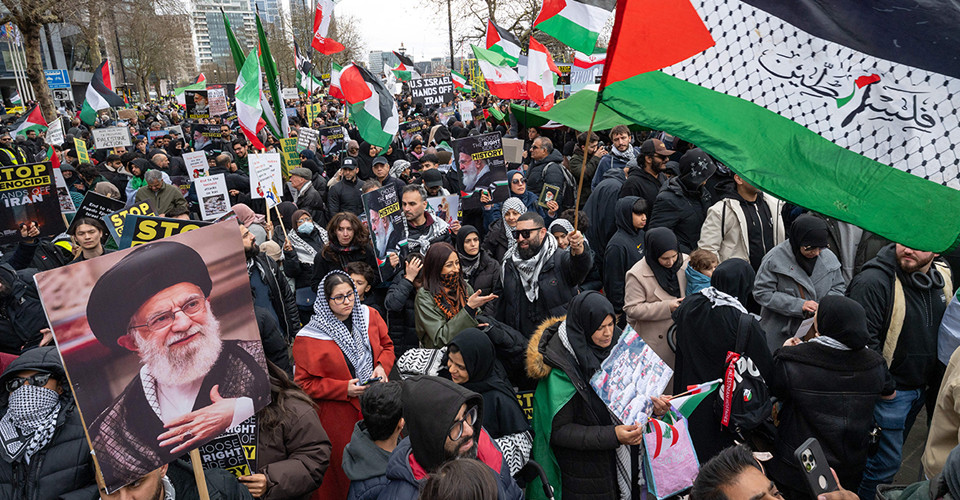
According to Espreso.tv: The United States has launched a new wave of strikes aimed at dismantling Iranian military capabilities, following the deaths of two American service members in Iran. President Donald Trump stated that these operations are a direct response to attacks on commercial vessels. However, concerns are mounting over whether the U.S. military possesses sufficient resources to sustain such actions.
On July 19, it was reported that two U.S. soldiers lost their lives when an Iranian strike hit a military base in Jordan. U.S. Central Command also confirmed the discovery of remains belonging to another individual, underscoring the severity of the situation. Earlier, on June 18, Trump and Iranian President Masoud Pezeshkian signed a memorandum of understanding aimed at ending the war. Both sides confirmed that the agreement was finalized on June 15 during talks in Islamabad.
Military Operations and Their Fallout
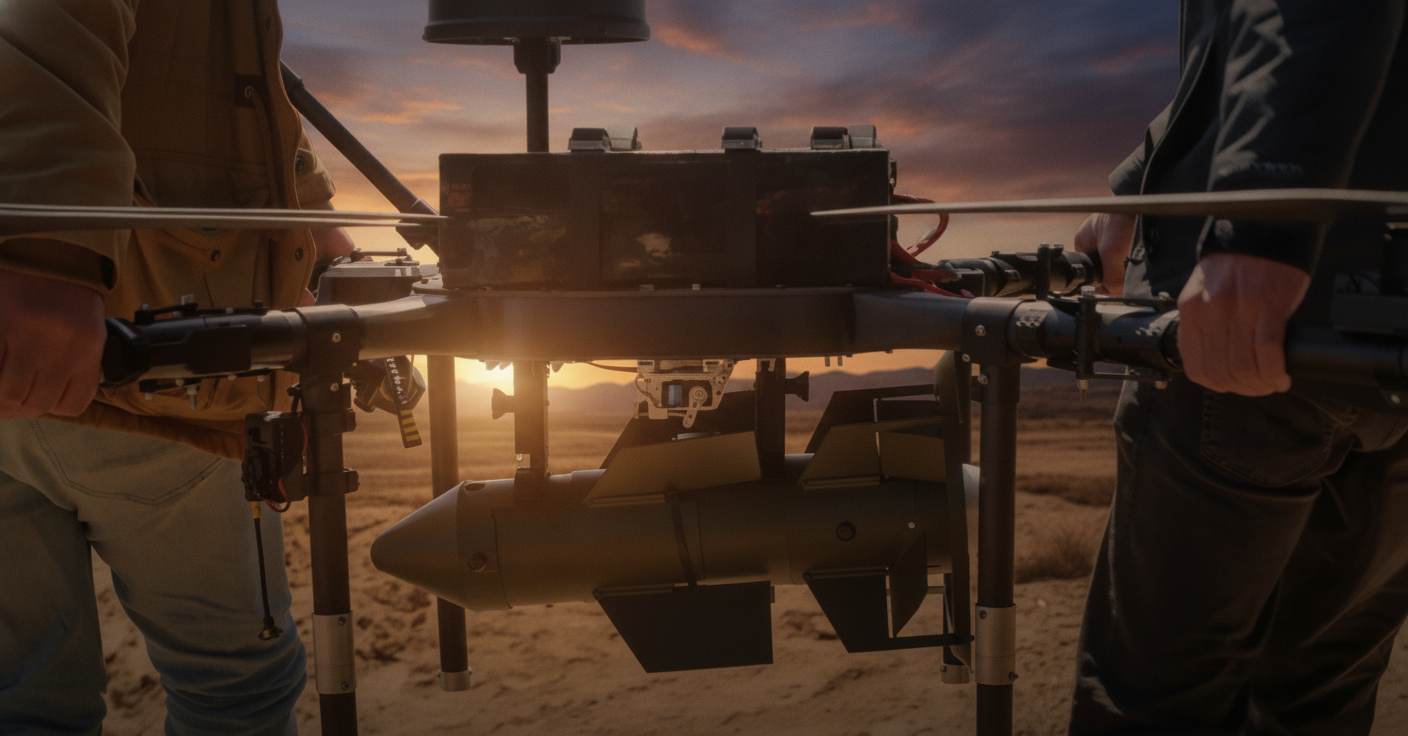
Meanwhile, on May 26, Iran’s Ministry of Foreign Affairs accused the United States of violating the ceasefire. On July 7, the U.S. deployed naval kamikaze drones for the first time, marking a significant escalation in the conflict.
“We hit them very hard again tonight, and we did it in honor of … great patriots.” – Donald Trump
Against this backdrop, sources indicate that the U.S. is struggling with a shortage of military resources. “We don’t have enough forces to safely support operations, and I don’t think the White House is aware of this,” one source stated. These challenges raise serious questions about America’s future strategy in the region and the potential implications for global security.
The unfolding events in the U.S.-Iran conflict highlight the growing complexity and tension in the region. Armed clashes risk further escalation, threatening stability not only in the Middle East but worldwide. At the same time, resource constraints within the U.S. military could hinder its ability to conduct operations, adding to the uncertainty surrounding Washington’s approach in this volatile area.
Read also
- Iran Crisis Deepens: Why a Military Solution Is Inevitable, According to an Expert
- Why Rubio’s Call to Protect Shipping in the Strait of Hormuz Matters for Global Security
- Economics and Security Top the Agenda in Burnham-Trump Call
- Trump Endorses Sanctions and PAC-3 Licenses, Signaling a US Policy Shift on Ukraine
- Ukraine Secures Patriot License as Lockheed Martin Unveils $2 Million Missile
- Trump Urges Congress to Combine Russia and Iran Sanctions Into One Bill