U.S. Interest in Greenland's Future: Implications for NATO and Arctic Security.

Geopolitical Challenges and Prospects of Greenland's Status
According to TSN.ua: Amidst growing strategic competition in the Arctic, the United States is considering the prospect of establishing a greater degree of control over Greenland as a measure to ensure global stability. This follows controversial rhetoric from former President Donald Trump. The debate raises significant concerns for NATO and international law, particularly regarding the alliance's unity on principles of territorial integrity and national sovereignty.
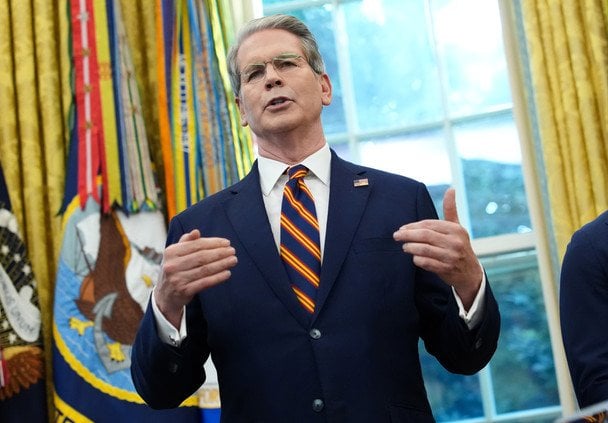
Greenland is an autonomous territory of Denmark, and its strategic location has drawn the attention of the global community. U.S. Treasury Secretary Bessent emphasized the importance of this issue, stating:
'I believe Europeans will understand that this is best for Greenland, best for Europe, and best for the United States.'
He also assured that 'of course, we will remain part of NATO,' indicating an intent to maintain constructive engagement with allies in North America and Europe. This Arctic region is becoming increasingly accessible due to climate change, opening new sea routes and resource opportunities.
Diverging Views on Potential U.S. Control
However, opinions on potential U.S. control over Greenland are divided. Senator Rand Paul has dismissed the idea of acquiring Greenland as absurd, highlighting the contentious nature of the proposal. European Union leaders also plan to discuss the threats previously posed by Trump, which could impact transatlantic relations. Maintaining unity and solidarity with Denmark and Greenland, while recognizing a shared transatlantic interest in Arctic peace and security, is considered crucial.
In the context of modern geopolitical challenges, NATO's readiness to defend against coercion and to continue constructive interaction with the U.S. on all matters of shared interest remains vital. Bessent stressed that upholding international law principles is integral to ensuring regional stability. Thus, the situation surrounding Greenland remains a pertinent topic for international politics and security.
The question of control over Greenland underscores the intensifying competition in the Arctic, where melting ice is creating new avenues for commercial and military activity. This could become a significant factor in shaping new security strategies for nations seeking to maintain influence in the region. Studying such initiatives and their impact on international relations remains a key aspect of ongoing global policy analysis.
Read also
- Tusk Blames Ukraine for UPA Dispute: What Decision Will Zelensky Make?
- Top Leaders from France, Britain, and Germany Plan Talks with Zelensky: Is a Peace Deal with Putin on the Horizon?
- Moscow Alleges Kyiv Plans to Acquire Nuclear Weapons: The Facts Behind the Claim
- Ongoing Russia-Ukraine War: Expert Identifies the Core Hurdle in Peace Talks
- Former CIA Special Operations Chief Warns: All Sides Should Brace for Russian Surprises
- Zelenskyy Calls Putin’s Rejection of Peace a ‘Weak Response’ and Urges Stronger International Pressure