Stalin-Era Apartments Surpass Khrushchev-Era Units in Price: What Shifted in the 2026 Housing Market.

Real Estate Market Trends in 2026
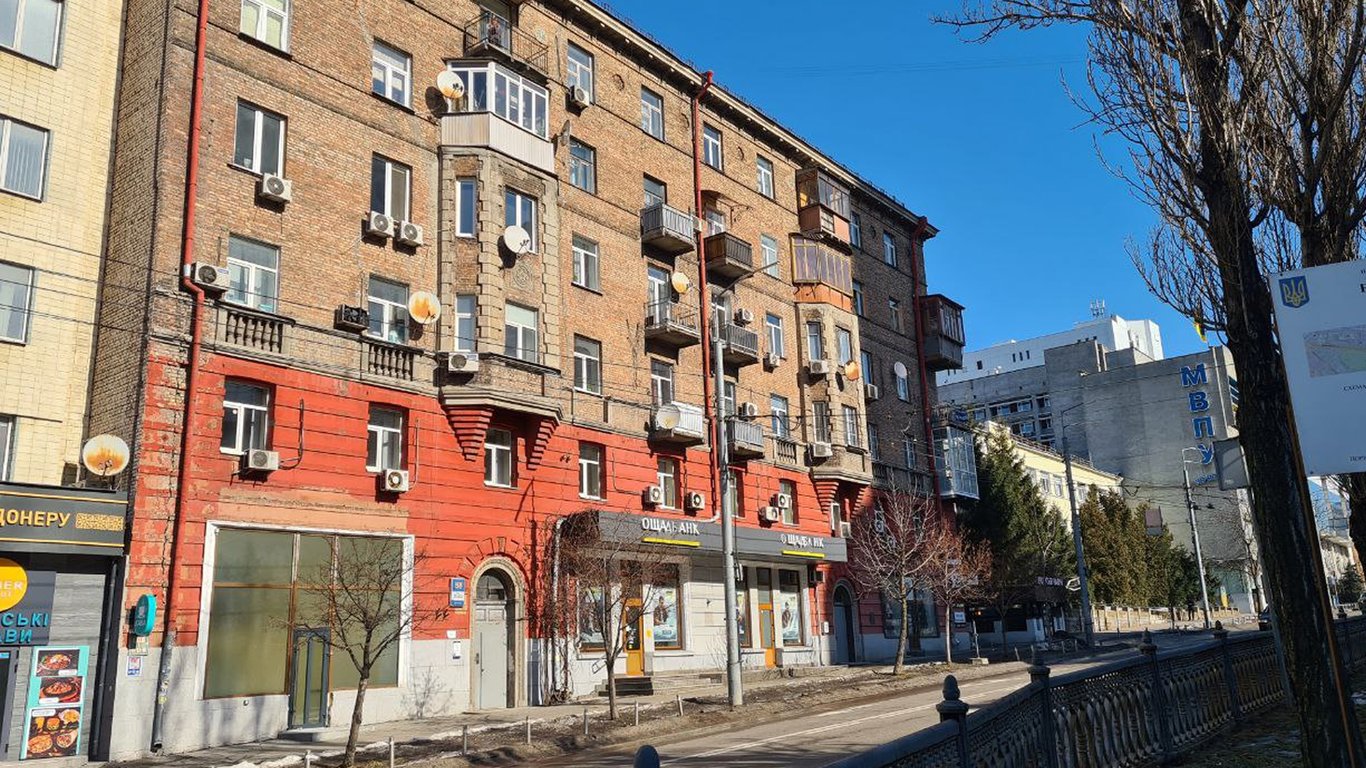
According to Novyny.live: Buyers in 2026 have grown far more selective when it comes to older housing stock. Stalin-era buildings, in particular, have started to outprice Khrushchev-era apartments. Their practical advantages—such as better insulation and higher ceilings—are driving this shift, making them increasingly attractive to potential homeowners.
Stalin-era apartments feature ceiling heights of 3 meters or more, creating brighter and more spacious interiors. Their thick walls also contribute to structural durability and energy efficiency—a critical factor given today's utility costs. In contrast, most Khrushchev-era buildings require extensive renovation, placing an extra financial burden on owners.
Real estate market analyst Victoria Bereshchak notes: 'I would never buy in a Khrushchev-era building under any circumstances. The main issue lies in the worn-out utility systems.'
Faulty infrastructure in Khrushchev-era apartments can lead to 6–8 months without water or heating, a major drawback for these properties.
Investment Outlook for Older Housing
Potential buyers considering older homes are increasingly focused on the technical resilience of Stalin-era buildings, along with their renovation and remodeling potential. This highlights the need to look beyond just purchase price and consider long-term investment value—homes that meet modern standards and can serve as lasting assets.
Overall, 2026 shows a clear trend away from Khrushchev-era units in favor of Stalin-era apartments, which offer more advantages. This shift reflects changing buyer priorities, with a stronger emphasis on quality housing and solid technical specifications.
The evolving demand in the real estate market points to growing buyer awareness of living conditions and investment opportunities. Choosing Stalin-era buildings may signal new quality standards in residential housing, where practical features and energy efficiency become key criteria. This could also spur the renovation market and infrastructure improvements for older buildings, as demand for high-quality housing in Ukraine remains strong.
Read also
- Drone Strikes on Refineries Trigger Fuel Crisis in Russia: One in Five Trucks Now Idle
- Russia’s Economy Shows Cracks as Stock Indexes and Business Sentiment Plunge to New Lows
- Russian Billionaire Andrey Melnichenko Shares His Vision for Russia’s Post-War Future
- Fuel Crisis in Russia Exposed by Intelligence: Gasoline Prices Surge by a Third
- Global Fuel Markets Shaken as Ukrainian Drones Undermine Russian Control
- Russian Business Owners Are Moving Billions Abroad Amid Fears of Asset Seizure and Forced War Funding