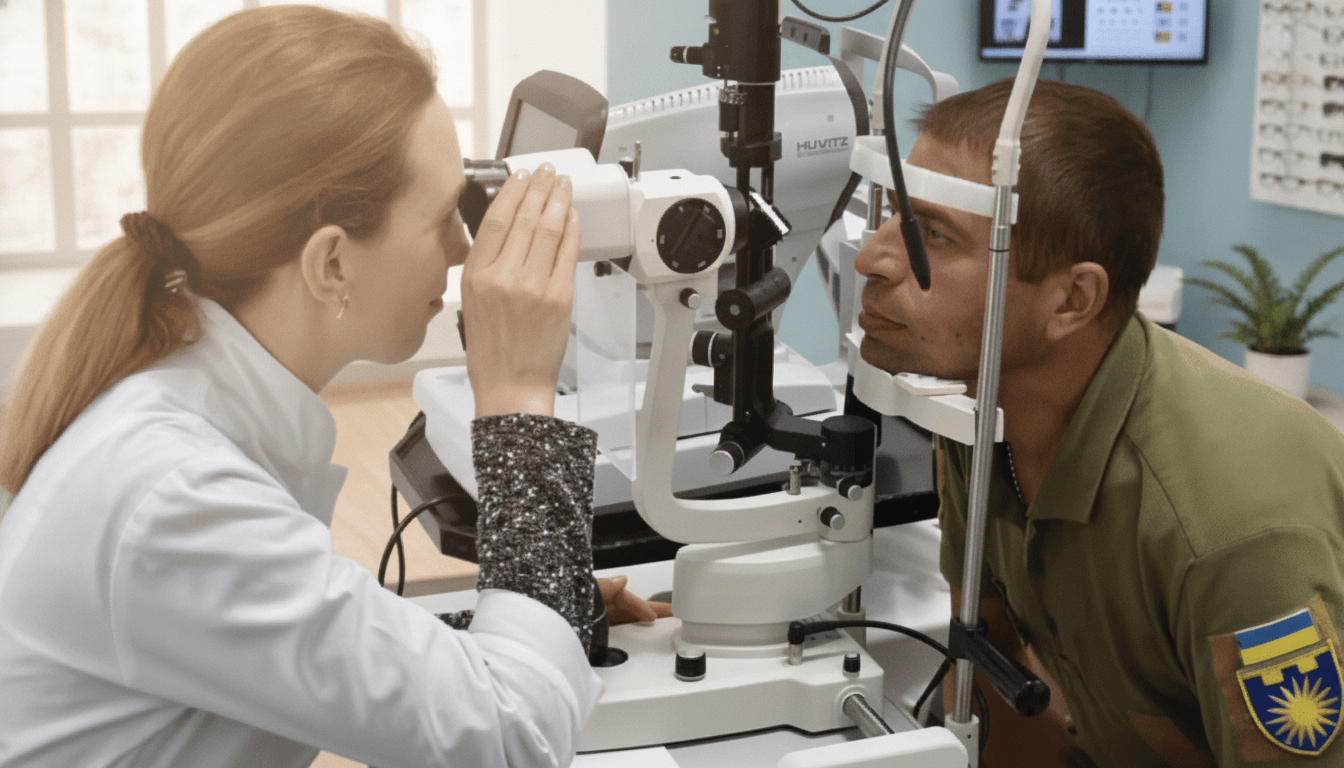
16 Million Americans at Risk of Losing Health Coverage as US Insurance System Faces Crisis.


Drop in Uninsured Rates Across the United States
According to Vox - Загальний: Over the past two decades, the number of people without health insurance in the U.S. has dropped significantly. In 2010, 16% of the population lacked coverage, but by 2025, that figure had fallen to 8.3%. However, upcoming policy decisions could reverse this progress, sparking concern among experts and analysts. The U.S. healthcare system, shaped by both public programs and private markets, has seen major shifts in enrollment driven by federal legislation.
Projections indicate that by 2026, enrollment in the ACA (Affordable Care Act) marketplace will drop by 4.7 million people—a 21% decrease. This signals potential trouble for the nation's health insurance framework. Since June 2025, over 16 million Americans have newly enrolled in Medicaid through ACA expansions, which has also helped lower the overall uninsured rate.
Upcoming Hurdles for the Health Insurance System
Starting January 1, 2027, new work requirements for Medicaid recipients will take effect nationwide. These changes are expected to reduce the program's enrollment by 7.6 million people by 2034. Larry Levitt, a healthcare policy expert, commented:
'I don't think there is a historical precedent for reducing federal support for health insurance.' - Larry Levitt
It is also worth noting that ACA enrollment surged from 9.8 million in 2019 to 22.3 million in 2025. While this growth reflects improved access to health coverage, future political decisions could disrupt this positive trend.
In summary, although the last two decades show meaningful progress in reducing the number of uninsured Americans, upcoming legislative changes could reverse these gains, raising alarm among both the public and experts.
The decline in the uninsured rate is a key measure of the healthcare system's effectiveness. Yet, with potential policy shifts and new Medicaid requirements, the situation could change dramatically. These issues remain critical for policymakers and the public alike, as they directly impact healthcare access for millions of Americans.
Read also
- Beating the Heat in Ukraine: A Doctor’s Guide to Hydration and the Best Clothing Choices
- No Solar Flares Expected on June 24: Magnetic Storm and Solar Activity Forecast
- How Ukrainian Men Liable for Military Service Can Be Removed from the Registry Due to Illness
- How to Appeal a Fitness-for-Duty Ruling When a Military Medical Board Fails to Offer Surgery
- Up to a Year of Waiting: How Ukraine’s Military Medical Boards Delay Illness Certificate Approvals for Conscripts
- Spider Mites Threaten Raspberry Crops: Immediate Treatment Needed to Protect Berries