Patient Injuries Linked to AI System Failures in Healthcare.

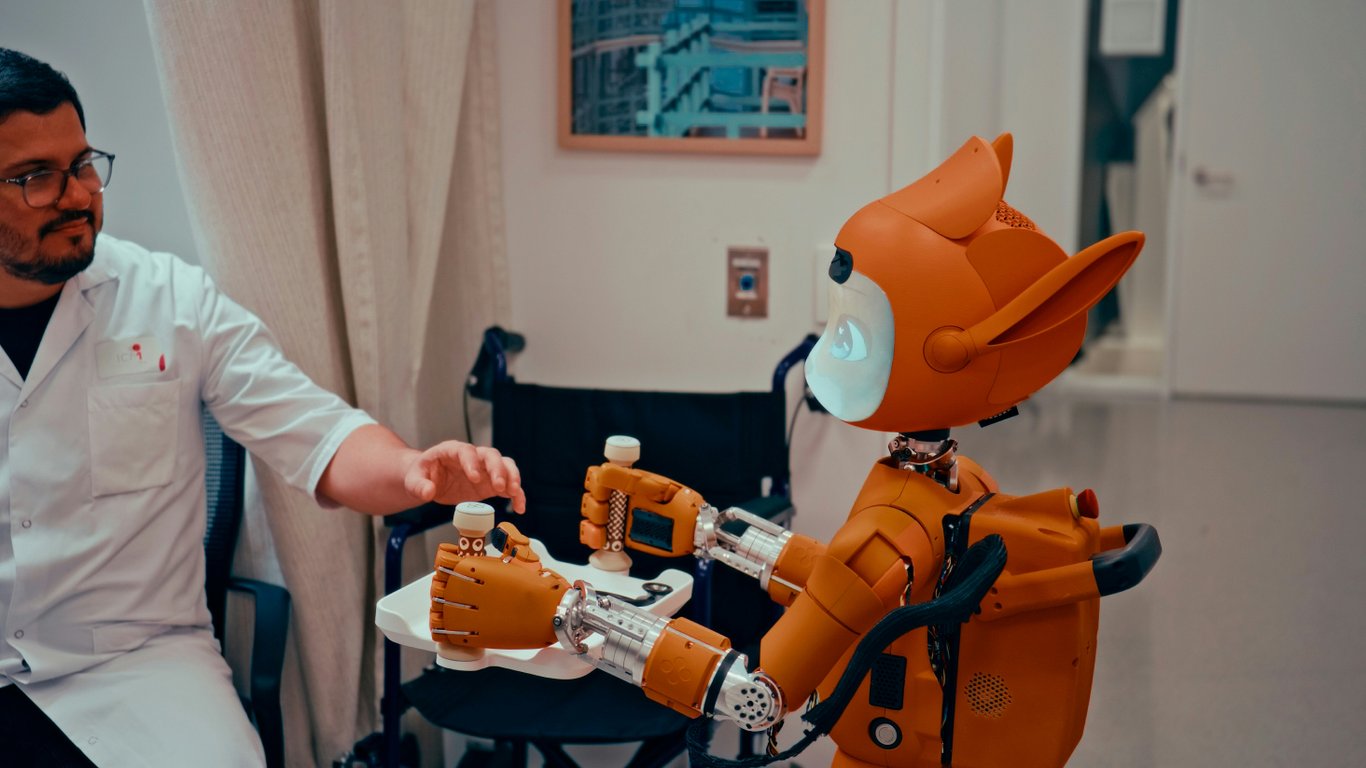
Medical AI Systems Have Injured Dozens of Patients
According to Novyny.live: Serious patient harm has resulted from failures in medical technologies that utilize artificial intelligence. In 2021, Johnson & Johnson released an update for its TruDi navigation system. Prior to this update, the system was linked to seven reported malfunctions and one patient injury. Following the integration of AI, the number of adverse event reports surged to at least one hundred. The rapid adoption of AI in medicine often outpaces the establishment of robust safety protocols.
The Dangers of Rushing New Technology to Market
Between late 2021 and November 2025, at least ten people are believed to have been harmed by such systems. Documented injuries in these cases include:
- Cerebrospinal fluid leaks
- Skull base perforations
- Strokes
These severe outcomes highlight the significant risks of deploying inadequately vetted technology in clinical settings.
In a separate incident, medical device maker Medtronic reviewed 16 episodes flagged by its cardiac monitor and concluded the device had missed only one genuine case. This underscores the critical need for rigorous, independent monitoring and performance evaluation of AI-powered medical devices. Furthermore, a concerning link exists between 60 FDA-authorized AI devices and 182 product recalls, with 43% of those recalls occurring less than a year after initial regulatory clearance.
The problems associated with medical AI demand urgent attention, as the potential risks to patients can be catastrophic. Immediate steps must be taken to improve the safety and reliability of these technologies.
While AI holds immense promise for revolutionizing diagnosis and treatment, the identified failures demonstrate a pressing need for more stringent pre-market testing and continuous post-market surveillance. Without proper oversight and risk assessment, AI has the potential to cause significant patient harm, emphasizing the vital role of strong regulatory frameworks in this rapidly evolving field.
Read also
- Medication Shortage in Ukraine Forces Cancer and Epilepsy Patients to Seek Treatment Abroad
- Cancer and epilepsy patients in Ukraine cut off from life-saving medications
- 20% Cashback for Moms and Kids at Pharmacy 9-1-1: Steps to Claim Your Bonuses
- Beating the Heat in Ukraine: A Doctor’s Guide to Hydration and the Best Clothing Choices
- No Solar Flares Expected on June 24: Magnetic Storm and Solar Activity Forecast
- How Ukrainian Men Liable for Military Service Can Be Removed from the Registry Due to Illness