A US Supreme Court Justice Ruled Based on a Law Review Article He Wrote 35 Years Ago.

The Pitchford v. Kane Decision
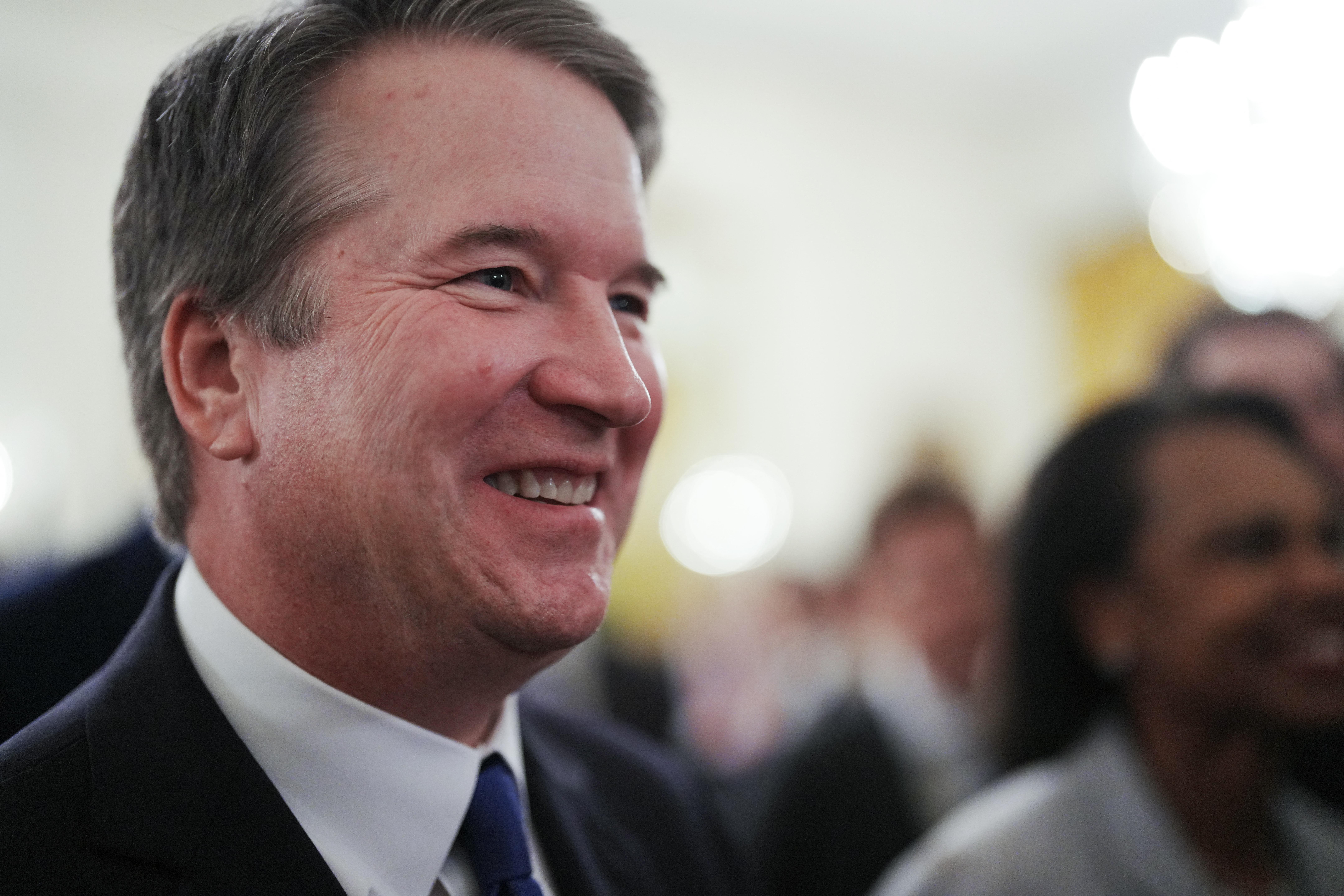
According to Vox - Загальний: In the case of Pitchford v. Kane, U.S. Supreme Court Justice Kavanaugh sided with the majority in a 5-4 ruling, finding that the jury selection process violated the principle of racial discrimination. The decision directly echoed a proposal he had made back in 1989 regarding how courts should handle racially motivated challenges to potential jurors. Justice Kavanaugh, who joined the Supreme Court in 2018, had argued in a Yale Law Journal article that the defense should be allowed to challenge seemingly race-neutral reasons given by prosecutors for excluding jurors.
“After the prosecutor offers race-neutral reasons for striking a juror, the defendant should be able to argue that those reasons are not genuine”- Kavanaugh. This position builds on the landmark 1986 Batson v. Kentucky case, which established key precedents for addressing racial bias in jury selection.
Why Kavanaugh's Ruling Matters
It is worth noting that the Antiterrorism and Effective Death Penalty Act of 1996 also touches on related legal procedures, though its direct connection to Pitchford v. Kane is limited. The significance of Kavanaugh's ruling lies in its strong emphasis on ensuring fairness during jury selection—a process that can shape public trust in the justice system. By reinforcing the ability to challenge race-neutral justifications, this decision could influence future cases involving racial discrimination and prompt broader reviews of jury selection practices.
Ultimately, the Supreme Court's decision in Pitchford v. Kane underscores the critical need for equality and nondiscrimination within the judicial system. It may serve as a foundation for reexamining how juries are selected, potentially impacting civil rights efforts and similar legal disputes. The focus on allowing defendants to contest ostensibly neutral reasons for excluding jurors could strengthen confidence in the courts among diverse communities.
Read also
- Poroshenko Calls on Parliament While Delivering $28 Million in Drones and Gear to Ukraine’s Military
- Ukraine Refrains from Striking the Crimea Bridge, Security Forces Commander Explains Why
- New Moldovan Government Takes Office: Who Holds Key Cabinet Positions
- Ukraine Calls Emergency UN Security Council Session Over Russian Strikes on Civilian Ships in the Black Sea
- Kremlin propaganda pushes false claims of US-Russia talks that exclude Ukraine
- Fedorov Dismissed as Defense Minister: Tensions with Syrskyi Behind the Decision