Kyrylo Budanov and the prisoner exchanges: how Ukraine returns its heroes.
15.08.2025
1286

Journalist
Shostal Oleksandr
15.08.2025
1286
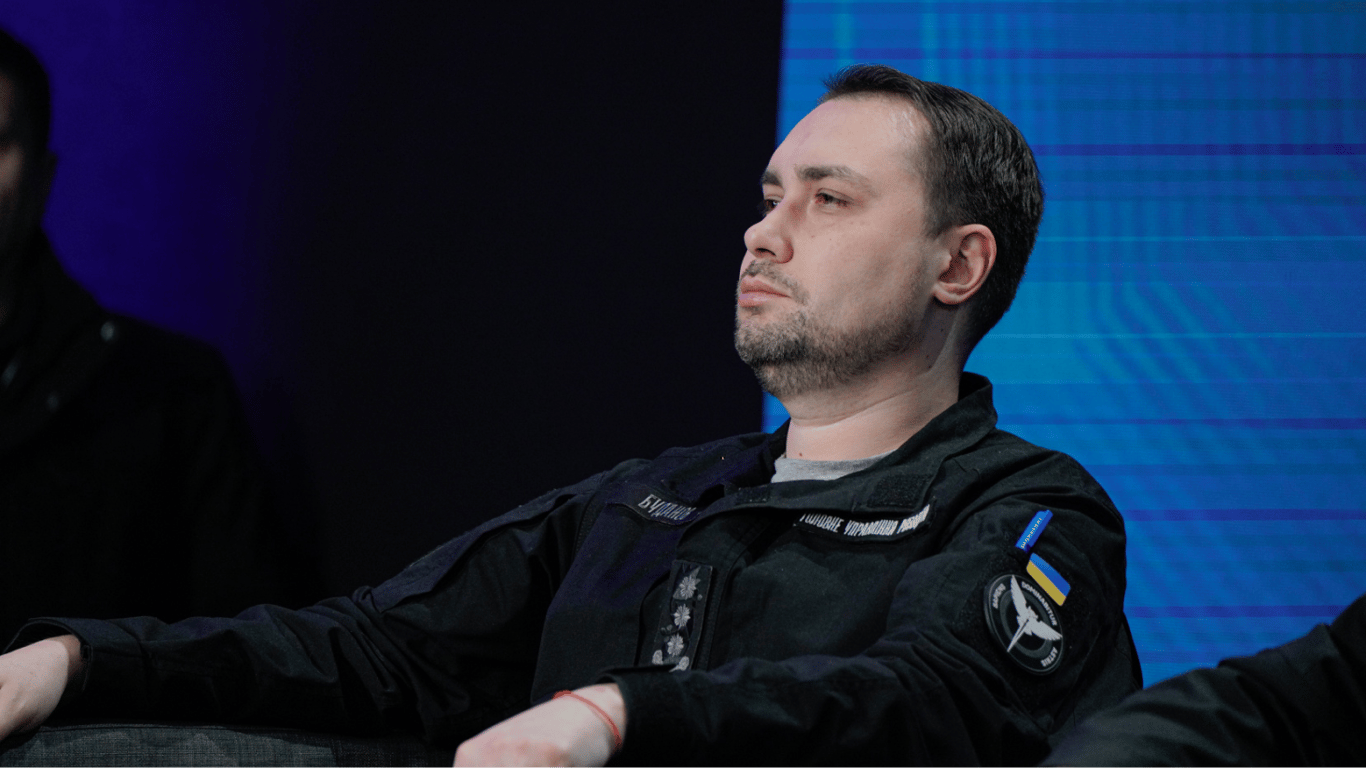
Prisoner exchanges are a very important topic, and global media recognizes the key role in returning Ukrainians home played by the head of the Main Intelligence Directorate, Kyrylo Budanov. At the same time, Ukrainian media avoids this topic and does not emphasize it.This was reported by blogger Oleksiy Holobutsky on Facebook.
What is Budanov's role in the prisoner exchange
'Ukraine managed to establish regular prisoner exchanges literally from the first months of the full-scale invasion. Budanov's agency became the main structure from the very beginning that was capable of negotiating with the 'other side'. Old connections with 'colleagues' no longer worked, so the system had to be built almost from scratch. As well as minimal trust between the parties. Because without it, conducting exchanges was simply impossible,' Holobutsky writes.He also reminded that Budanov headed the Coordination Headquarters, which officially became the main state body responsible for issues of exchanges. Under the auspices of this structure, an information system was created that accumulates and analyzes information about all servicemen who have the status of either a prisoner or missing in action. At the same time, in almost every exchange, they manage to return people who were considered missing.'A good quote from an extensive editorial article by The Wall Street Journal. Unfortunately, domestic media mostly write about prisoner exchanges through the prism of their owners' political ambitions. Or turn the text into yet another set of manipulative clichés. At least I haven’t seen such a detailed and comprehensive text on this topic here,' he noted.'Without fanfare, Ukraine and Russia have managed to exchange over 10,000 combatants throughout their war through the frontline and safe corridors in neighboring Belarus. Among them are about 1,200 soldiers who were transferred in exchange over the last few weeks.'
The uniqueness of the Ukrainian case
According to Holobutsky, the main innovation of Ukraine is that for the first time in modern history active prisoner exchanges are conducted directly during hostilities. For example, the Soviet Union practically did not conduct exchanges with Germany during World War II. The last prisoners returned home only in 1956. The USA began the large-scale return of its prisoners from North Vietnam only in 1973. This, despite the fact that the conflict itself lasted from 1959.He recommended that everyone interested familiarize themselves with the article from WSJ personally, as he believes that such details regarding the very beginning of the exchange process, contacts with Russian 'colleagues', and the details of the work of the Coordination Headquarters have not appeared anywhere else.'I would only add that Ukraine is not at all interested in keeping Russian prisoners on our territory. We are not the Soviet Union. No one intends to send them to hard labor. The only purpose of these people being in our colonies is to return our Heroes home. Preferably in the final format of 'all for all'. Quoting the Secretary of the Coordination Headquarters, Dmytro Usov: 'It is hard to deal with them, and it is hard to negotiate with them. But despite everything, we do it honestly.' After this, permanently close the border with Moscow. Perhaps this is a bit naive. But I want to believe,' Holobutsky concluded.Let us remind you that on August 14, 84 Ukrainians returned from Russian captivity. Among them are both military personnel and civilians.According to the Coordination Headquarters, a man who had been in Russian captivity since 2014 returned home.Events surrounding the prisoner exchanges indicate the great importance placed on this issue in Ukraine. The work of the Coordination Headquarters under the leadership of Kyrylo Budanov proved effective, allowing a large number of Ukrainians who were in captivity to return home. Such an approach, capable of saving lives and returning many citizens to their loved ones, is invaluable in the current conditions of the conflict in the east of the country.'The Iran-Iraq war officially ended in 1988. However, the completion of the return of prisoners only took place in 2003. Thus, the Ukrainian case is uniquely defined. Importantly, not only military personnel but also civilians are returned during exchanges. In particular, most of those returned on August 14 are indeed civilians. Some of them have been held by Moscow since 2014,'
Read also
- At Kyiv Summit, Zelensky Urges Europe to Maintain Pressure on Russia Through Sanctions
- Massive protests erupt across Ukraine after defense minister Fedorov is dismissed
- Repeating History: Why Ukraine Lost Its Liberation Struggle a Century Ago
- Russia’s Accusations Over Zaporizhzhia Engineer’s Death Dismissed by Ukraine’s Foreign Ministry
- CIA Director: Russian Soldiers Survive Only 30 Minutes on the Frontline
- US Greenlights License for Patriot Missile Production in Ukraine