The US Supreme Court to Hear Case on Forced Shaving of Rastafarian in Prison.

Violation of Religious Freedom
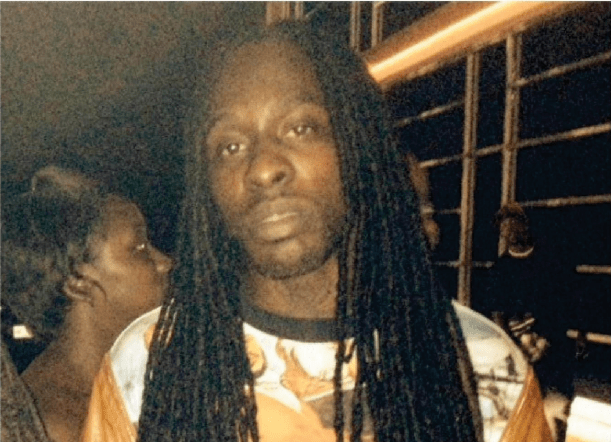
According to Vox: Damon Landor became a victim of one of the blatant violations of his religious rights. As a Rastafarian, he adheres to the promise not to cut his hair and has worn it long - 'effectively to his knees' - for over twenty years. In 2020, while serving five months in prison for a drug offense, the prison administration tied him up and shaved his head.
Legal Grounds
Interestingly, along with him, a copy of the federal appellate court's decision in the case Ware v. Louisiana Department of Corrections (2017) made its way to prison, which confirmed that the hair-cutting policy for Rastafarians in Louisiana contradicts federal law on religious freedom. Despite Landor showing this ruling to the administration, they still shaved his head.
These circumstances make the case Landor v. Louisiana Department of Corrections very promising for the plaintiff. There is a clear federal ruling that prohibits Louisiana from shaving the hair of Rastafarians like Landor. However, the case is complicated by the fact that Landor is suing several prison officials, including the warden, and claims they are personally responsible for violating his rights.
Legal Complications
An additional complication of the case lies in the historical struggle for judicial supremacy that lasted throughout the 90s. In the case Employment Division v. Smith (1990), the Supreme Court significantly limited the scope of protection for religious freedom. Although Congress attempted to restore these rights through the 2000 law (RLUIPA), the courts had a different view on the limits of this restoration.
It is likely that the Supreme Court will rule in favor of Landor, as modern justices protect religious rights. But this case is complicated by archaic precedents. The history of the right to religious freedom in the US began shaping in the 60s, particularly in the case Sherbert v. Verner (1963).
Contested Precedent
In the case Smith, the court decided that 'the right to freely exercise does not relieve an individual of the duty to comply with a valid and neutral law of general applicability'. This has hindered many, like Landor, from obtaining financial compensation for violations of their rights. Louisiana authorities emphasize that federal appellate courts have concluded that prisoners cannot demand monetary damages for violations of RLUIPA.
Landor and his attorneys are trying to circumvent this argument in several ways, but their arguments typically do not succeed in lower courts. They argue that prison officials are 'voluntarily working' in a state that agreed to comply with RLUIPA.
The Landor case opens the possibility for a new consideration of the historical conflict between the Constitution and legislation, complicating this case that, at first glance, should have been straightforward.
Conclusions
Despite the complications, in the context of the current legal situation and the history of religious freedom, the court may issue a ruling that will determine whether the Constitution requires prison guards to provide compensation for violating a prisoner's rights under RLUIPA.
Read also
- June 12 Chinese Horoscope: Which Zodiac Signs Will Receive Good News
- A Simple Way to Cook Garlic Scapes: Ukrainian Chef Yevhen Klopotenko Shares His Recipe
- 10-Minute Apple Cottage Cheese Pancakes: An Easy Breakfast Recipe
- Weekend Tarot Forecast: June 13–14 Brings Exciting Moments for Four Zodiac Signs
- No-Bake Summer Cherry Dessert: An Easy Recipe with Sour Cream
- What’s Inside the Paste Used in Japanese Nail Care for Restoration