The government has banned the export of scrap metal: what changes will be made to taxes and production.

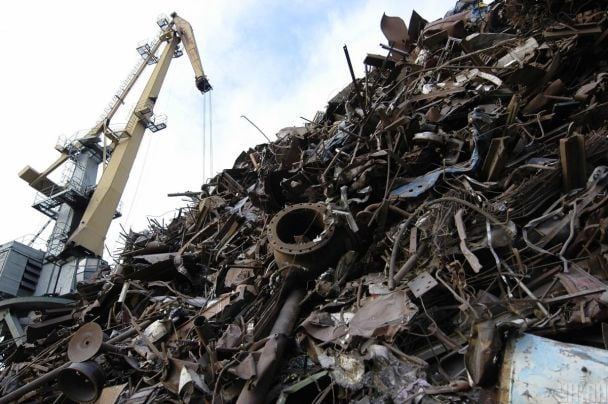
According to ТСН: The association 'Ukrmetalurhprom' supports the decision of the Cabinet of Ministers of Ukraine on the temporary restriction of the export of scrap metal. According to the resolution adopted on December 31, 2025, a zero quota for the export of scrap metal will be introduced in 2026.
The document notes that in recent years, the volumes of scrap metal exports from Ukraine have been growing at a record rate. This has significantly negatively affected the security of domestic metallurgy, leading to a shortage of this raw material in the domestic market and disrupting the stability of the operation of metallurgical plants.
'Ukrmetalurhprom' notes that deliveries to the European Union have essentially turned into a scheme through which exporters avoided paying export duties in Ukraine, as Ukrainian scrap was re-exported through EU countries to Turkey and India. As a result, the state budget was annually deprived of billions of hryvnias in taxes, while metal plants suffered from a shortage of scrap, and the strategic raw material benefited competitors of Ukrainian metallurgists.
'On behalf of all workers in the metallurgical industry, I would like to thank the Government and Prime Minister Yulia Svyrydenko for the adoption of this urgent and economically justified measure. It is beneficial for the state to keep all scrap metal inside the country, as metallurgical enterprises, processing the raw materials, produce finished products, earn foreign currency from its export, and provide monetary revenues to budgets at all levels,' said Oleksandr Kalienkov.
He also cited recent expert assessments, according to which one ton of scrap metal processed in Ukraine into steel brings the state budget about 14-15 thousand hryvnias in taxes. 'At the same time, scrap exporters, operating mainly in the shadows, pay the state only about 100 hryvnias for each ton. Therefore, the temporary restriction on exports is an important issue for Ukraine's survival and ensuring the front with all necessary supplies,' stressed the president of 'Ukrmetalurhprom.'
Scrap Processing in the Context of Decarbonization
Oleksandr Kalienkov also emphasized that the need for scrap processing, as a raw material for decarbonizing industry, has increased since the European Union is introducing a carbon border adjustment mechanism (CBAM) on January 1, 2026, which imposes duties on carbon-intensive products, including steel products.
'Unfortunately, Brussels has not provided an exemption for Ukraine in the introduction of this tariff. Therefore, scrap metal will help Ukrainian metallurgists produce steel with a lower level of CO2 emissions,' he added.
Thus, the decision to restrict scrap exports aims not only to protect the domestic market but also to adapt Ukrainian metallurgy to new environmental challenges, especially in the context of carbon neutrality. This step could significantly change the balance in the metallurgy market in Ukraine, directing resources to support domestic production and ensure economic stability.
Read also
- Soaring Grain Prices Threaten Famine in Vulnerable Nations
- Ukraine Expects Lower Vegetable Prices by Summer 2026 as Crop Outlook Stabilizes
- Paperless Purchases: The Hidden Risks for Online Shoppers Without a Fiscal Receipt
- Fuel Prices Plummet Across Kharkiv Region: Here’s What Petrol and Diesel Now Cost
- Fuel Crisis in Crimea: Prices Surge 50%, Long Lines Emerge, and Resellers Face Legal Action
- Is Keeping Savings in Hryvnia a Smart Move at a Rate of 45? An Expert Weighs In