EU Temporary Protection for Ukrainians Ends in 2027: Key Steps for Pensioners.

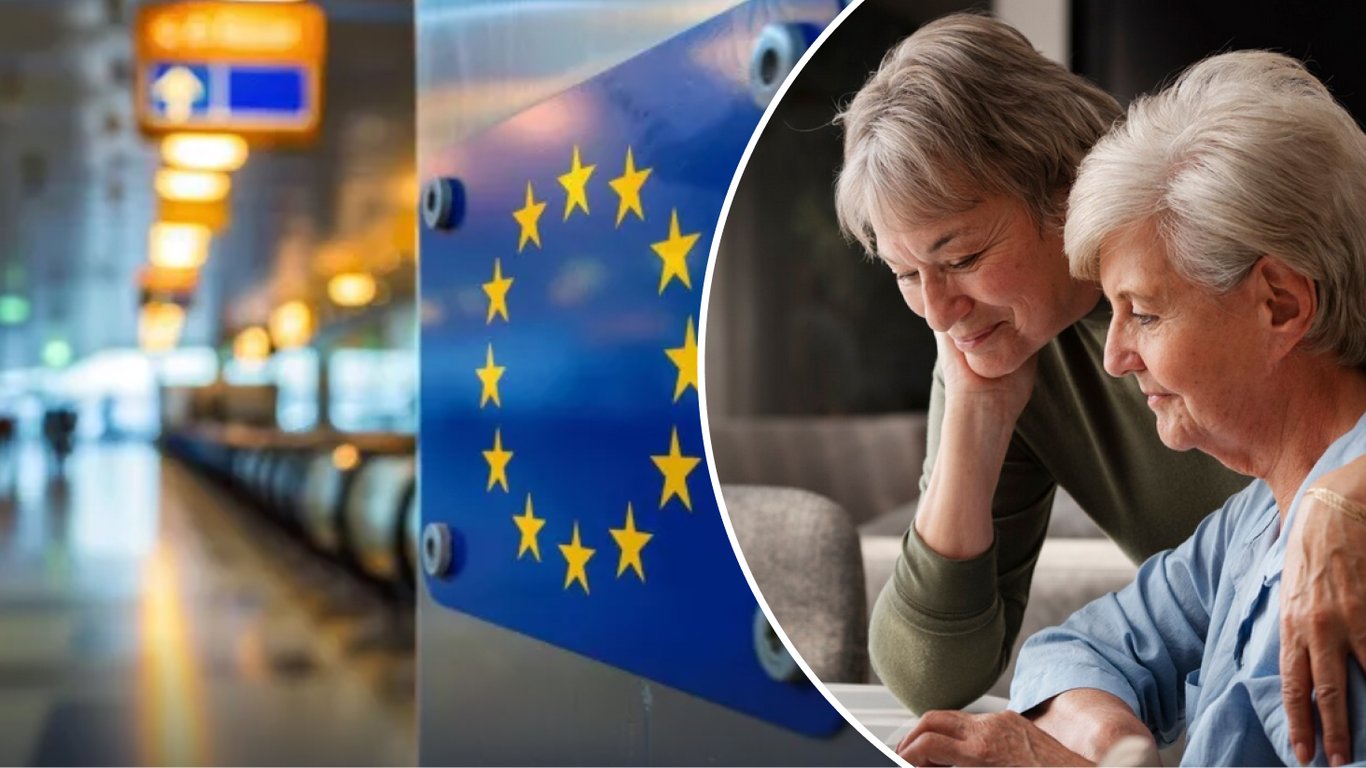
What the End of EU Temporary Protection Means for Ukrainians
According to Novyny.live: By spring 2027, the temporary protection status granted to refugees from Ukraine across the European Union will expire. This milestone will require Ukrainians, particularly pensioners, to take specific actions depending on their host country. Authorities in nations that have welcomed Ukrainian refugees are now issuing guidelines to help individuals secure their legal standing.
The temporary protection right for Ukrainians in the EU officially ends on March 4, 2027. Anyone holding this status must act to legalize their stay in European countries. For example, pensioners in Germany may qualify for a residence permit under Sections 25(4) and 25(5) of the Residence Act (AufenthG). These provisions allow them to remain in the country under established legal conditions.
Transitioning to New Legal Statuses
In Poland, Ukrainians with a PESEL UKR status can switch to the CUKR residence card model, which is valid for three years. To do so, they must maintain their UKR status for at least 365 days. This ensures a smooth shift to a new legal framework and allows continued residency in the country.
The Czech Republic also offers a special long-term residence permit for those currently under temporary protection. This option enables Ukrainians already living there to stay legally after the protection period ends.
Notably, in 2026, the pension indexation rate stood at 12.1%. This factor may significantly influence financial planning for pensioners remaining in EU countries.
Overall, Ukrainians residing in the European Union must prepare for changes to their legal status. It is crucial to closely follow local authorities' recommendations and take necessary steps to formalize their stay in EU nations.
The expiration of temporary protection for Ukrainians in the EU will pose a major challenge for many, especially vulnerable groups like pensioners.
Source: Local Authorities
This situation highlights the need for Ukrainian refugees to actively engage in legal procedures and maintain communication with local authorities to secure their legal status. Amid uncertainty about the future, monitoring legislative changes and responding promptly is becoming critically important for Ukrainian citizens remaining in Europe.
Read also
- Czech Passport Fees in 2026: What Ukrainians in the Country Need to Know
- Ukraine and Germany Launch Joint Initiative to Repatriate 350,000 Draft-Eligible Men
- Germany Overhauls Benefits for Ukrainian Refugees: Key Changes to Payments and Job Rules
- Who Can Leave Ukraine During Martial Law: A Guide to Military Registration and Border Crossings
- EU Weighs Changes to Temporary Protection for Ukrainians: What’s on the Table
- Free Housing for Ukrainians in Poland to Be Restricted Starting July 1, 2026: Who Will Be Affected