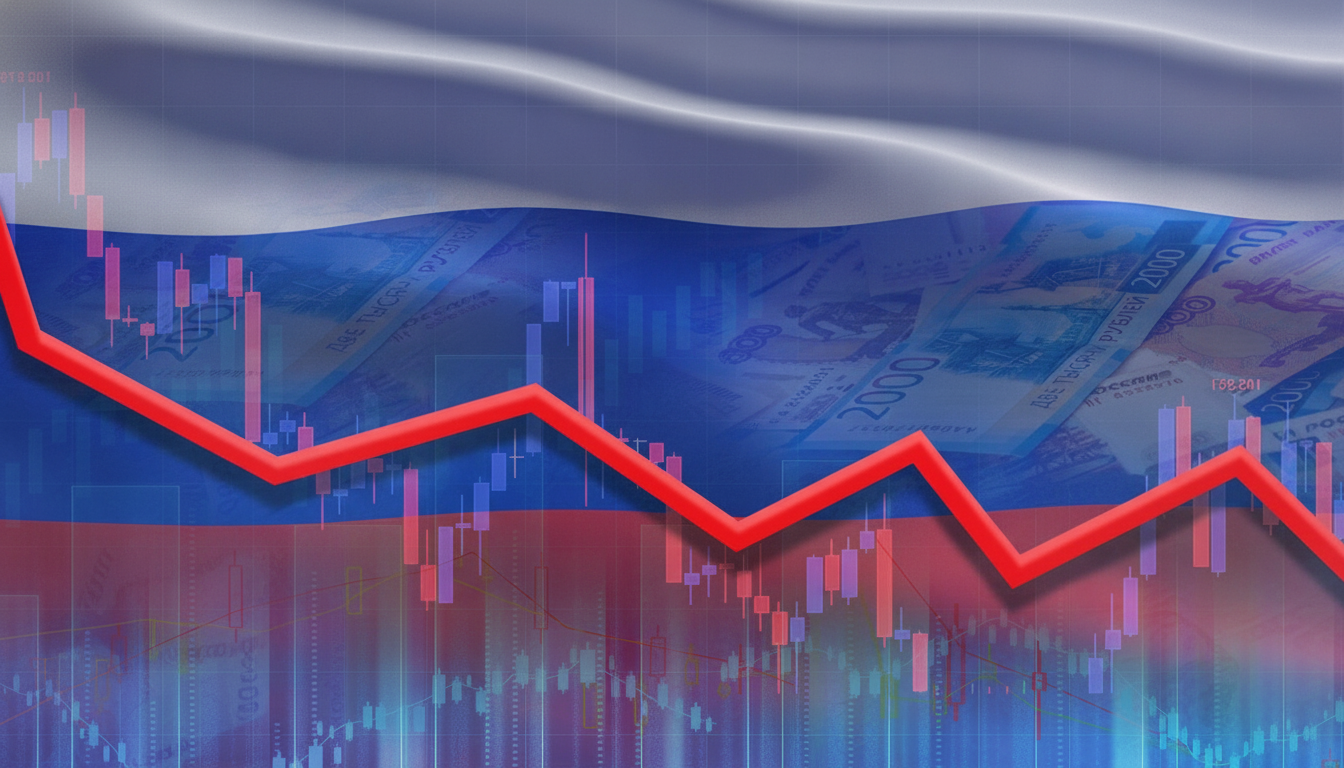
EU-Russia Trade Hits Record Low as Imports Plummet by 90%.

Economic Ties Between the European Union and Russia
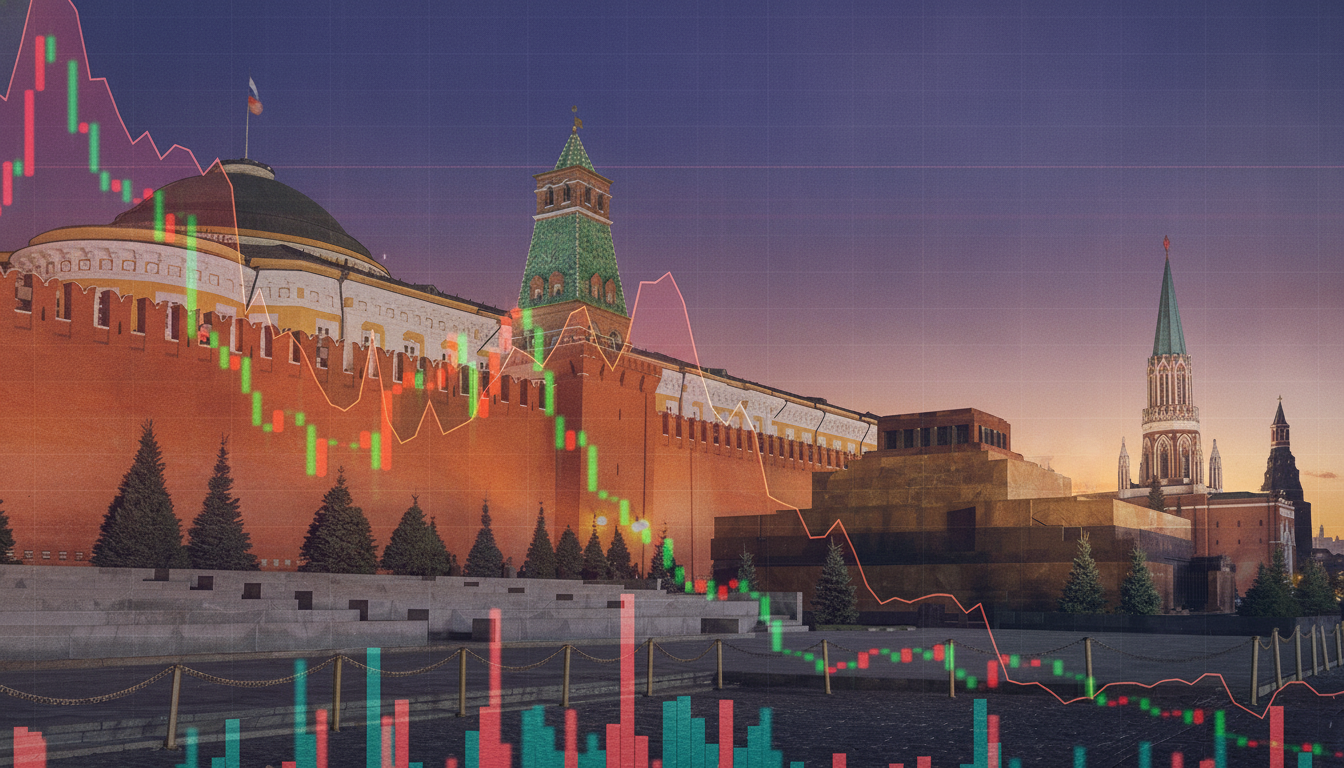
According to UATV: Trade between the European Union and Russia has collapsed to a historic low by the end of 2025. According to data, EU exports to Russia have fallen by more than 60% compared to the first quarter of 2022, while imports from Russia into the EU have plunged by 90%. These figures highlight a dramatic economic decoupling, driven by a combination of political and economic factors. This steep decline is a direct consequence of sanctions imposed following Russia's invasion of Ukraine.
Sanctions and Legal Repercussions
In response to new sanctions, Russia's Central Bank has filed a lawsuit challenging an EU decision from December 12, 2025, which froze Russian assets within the bloc. Approximately €210 billion in Russian assets have been immobilized. For context, in 2026, Russians held 67 trillion rubles (about €743 billion) in bank accounts, though Ukraine's Foreign Intelligence Service has described these savings as a 'symptom of a decaying economy.'
Russia's GDP growth rate was 4.9% in 2024 but slowed sharply to just 1% in 2025. Regions supporting the defense industry have seen a steep drop in investment and production volumes.
“The physical volume of production, even in Russia's military-industrial complex, began to decline last year,” noted expert Andrey Novak.
The conditions set by the EU for Russia to regain access to the frozen assets include:
- ending the war against Ukraine;
- paying reparations;
- ceasing actions that pose a threat to Europe.
The Russian Central Bank alleges that Brussels 'committed significant procedural violations,' signaling potential for further legal and diplomatic clashes between the two sides.
The drastic reduction in EU-Russia trade underscores the severe impact of Western sanctions enacted in response to Russia's aggression in Ukraine. Russia's current economic situation reveals not just a contraction in trade but also negative trends in investment and industrial capacity, which could have long-term consequences for its domestic economy.
Further Russian legal action over the frozen assets could escalate the conflict between Moscow and Brussels, while the conditions for their release emphasize the political dimension of these economic relations. This issue is likely to remain a focal point for the international community, influencing global economic and political dynamics for years to come.
Read also
- Ukraine Strikes 42 Russian Vessels in 11 Days as Drone Campaign Intensifies
- Russian Stock Market Crashes Nearly 9% — What This Means for the Economy
- Record 324 MW of Wind Power Built in Ukraine in 2025: Here’s Where the New Farms Are
- How Donetsk Once Served as the Heart of a British Colony in Ukraine: The Story of Yuzivka
- Drone Strikes on Refineries Trigger Fuel Crisis in Russia: One in Five Trucks Now Idle
- Russia’s Economy Shows Cracks as Stock Indexes and Business Sentiment Plunge to New Lows