Trump Declares Iran War Over: Here Are the Conditions and Timeline.

Iran Conflict Update
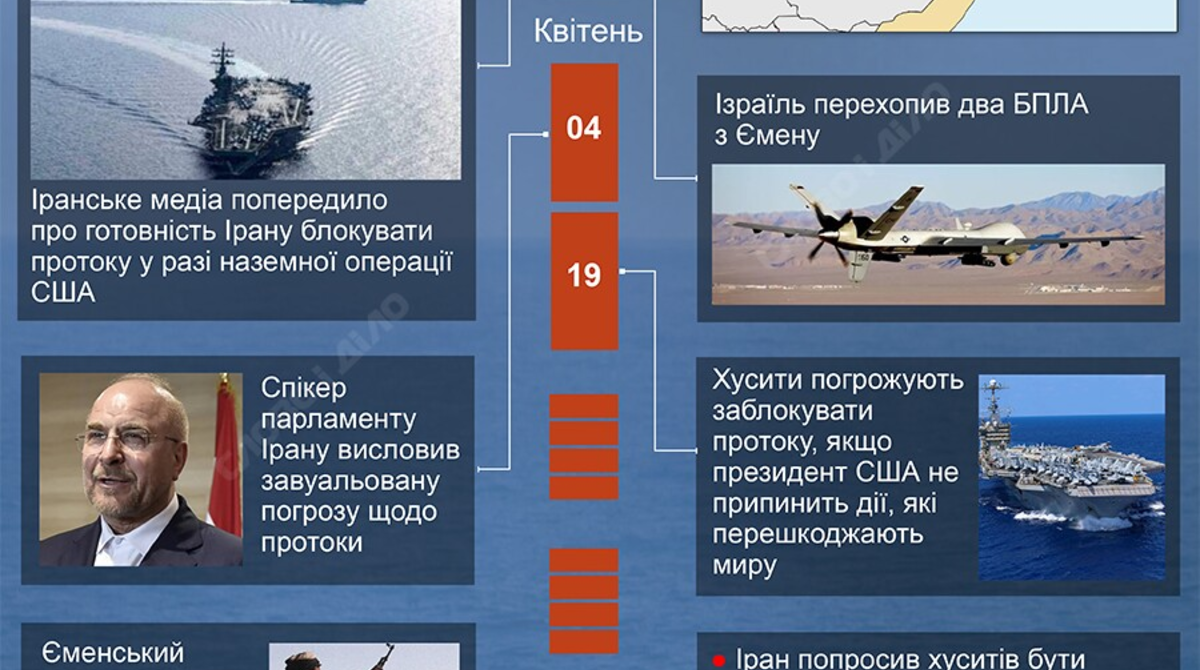
According to Vox - Загальний: According to U.S. President Donald Trump, the war in Iran—ongoing since 2026—is now in its final phase. Trump claims that the United States has inflicted severe damage on Iran and expects the conflict to conclude within the next two to three weeks. Despite these optimistic statements, tensions remain high, and Iran may still prolong hostilities by blocking strategic chokepoints such as the Strait of Hormuz.
The Iran war, which began in 2026, has already resulted in substantial casualties. Estimates indicate that over 1,500 civilians have been killed, along with 13 American service members. The conflict has also fueled fighting in Lebanon, where more than 1,200 people have died and over one million have been displaced.
“Never in the history of warfare has an enemy suffered such clear, devastating, and massive losses in just a few weeks.” — Donald Trump
Iran, meanwhile, possesses 450 kilograms of enriched uranium, raising concerns about its potential to develop nuclear weapons. Trump has stated:
“I would never allow Iran to have a nuclear weapon.” — Donald TrumpHowever, U.S. military power has its limits, and not all observers are convinced the conflict can truly be resolved. Trump believes that “the strait will simply open naturally when the war ends,” but such forecasts require careful scrutiny.
International Response and Next Steps
The U.S. Second Marine Expeditionary Group—comprising roughly 2,200 Marines and three naval vessels—is expected to arrive in the region within weeks. Israel remains on high alert, as developments in the area could affect stability across the broader Middle East.
The rules of war and diplomacy are shifting, making it critical to monitor unfolding events closely, as the consequences could be unpredictable.
The situation in Iran highlights the complexity of modern military conflicts, where political, economic, and military factors are deeply intertwined. Given Iran’s substantial resources and strategic location, any attempt at a swift resolution may face significant obstacles. This, in turn, could have serious implications for regional security and international relations, particularly regarding Iran’s nuclear program and its influence on neighboring countries.
Read also
- Trump Approves Nuclear Deal with Saudi Arabia, Allowing Enrichment Without IAEA Oversight
- Pentagon Requests $67 Billion More as US War Costs Against Iran Hit $37.5 Billion
- Iran Faces Infrastructure Bombing Under New US Strategy Announced by Trump for Strait of Hormuz Attacks
- Ukraine’s Air Defense Gets a Boost: New Interceptor Missiles for Patriot Systems Discussed with NATO
- Putin Abandons Plans to Return Occupied Lands to Ukraine: What We Know About the So-Called 'Buffer Zones'
- Trump Endorses FIFA's Ban on Balogun and Backs New UN Secretary-General Pick