Trump Signs Landmark Deal with Iran: Ceasefire, Sanctions Relief, and Nuclear Terms Take Center Stage.

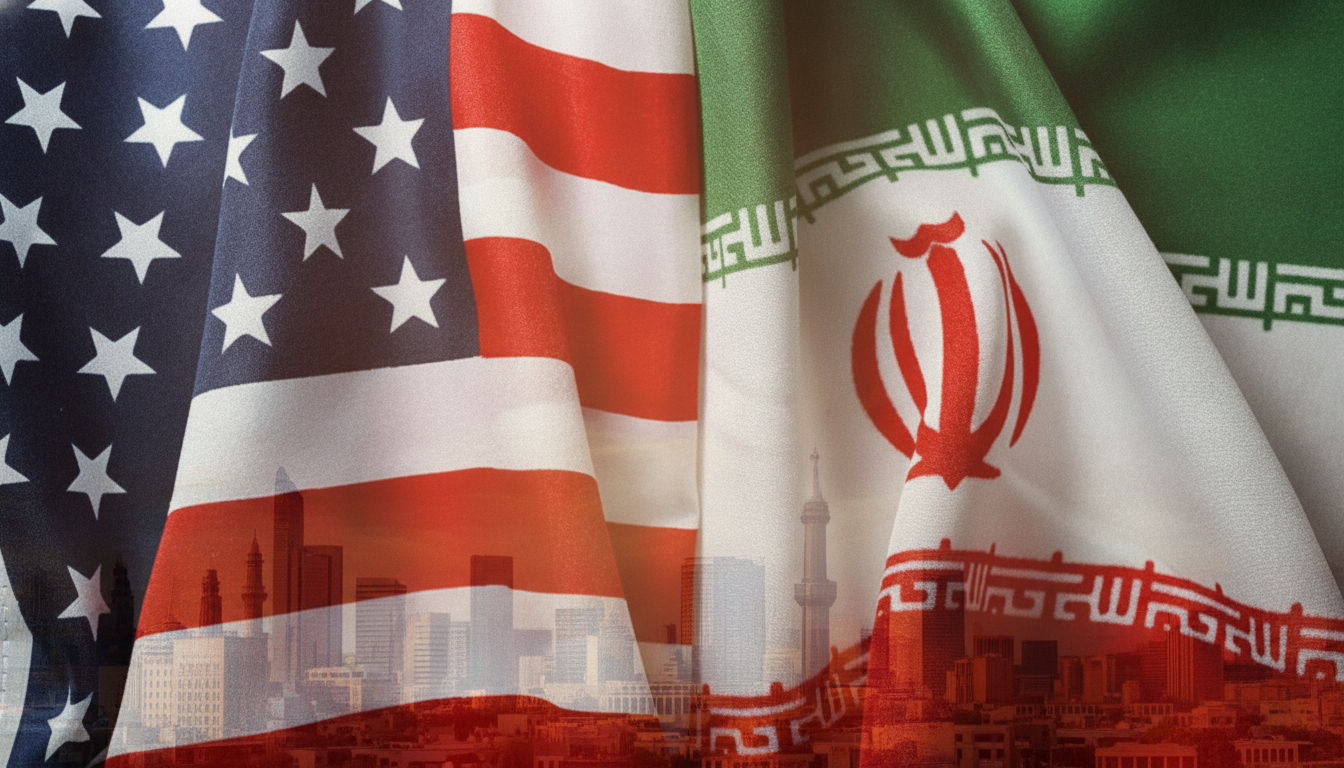
U.S.-Iran Agreement Reached
According to Espreso.tv: On February 28, 2026, U.S. President Donald Trump formalized an agreement with Iran that covers several critical areas: a ceasefire, the reopening of the Strait of Hormuz to maritime traffic, and a phased removal of sanctions. This deal emerged from prolonged military confrontations involving the United States, Israel, and Iran, which had escalated dramatically—most notably through a series of Iranian missile strikes.
Military and Economic Fallout
Since the conflict began, the U.S. and Israel have launched roughly 900 strikes against Iran, fundamentally altering the region's military landscape. One of the most significant developments was the elimination of Iran's Supreme Leader, Ali Khamenei. In retaliation, Iran fired over 1,850 ballistic missiles and more than 3,700 kamikaze drones, further destabilizing the area.
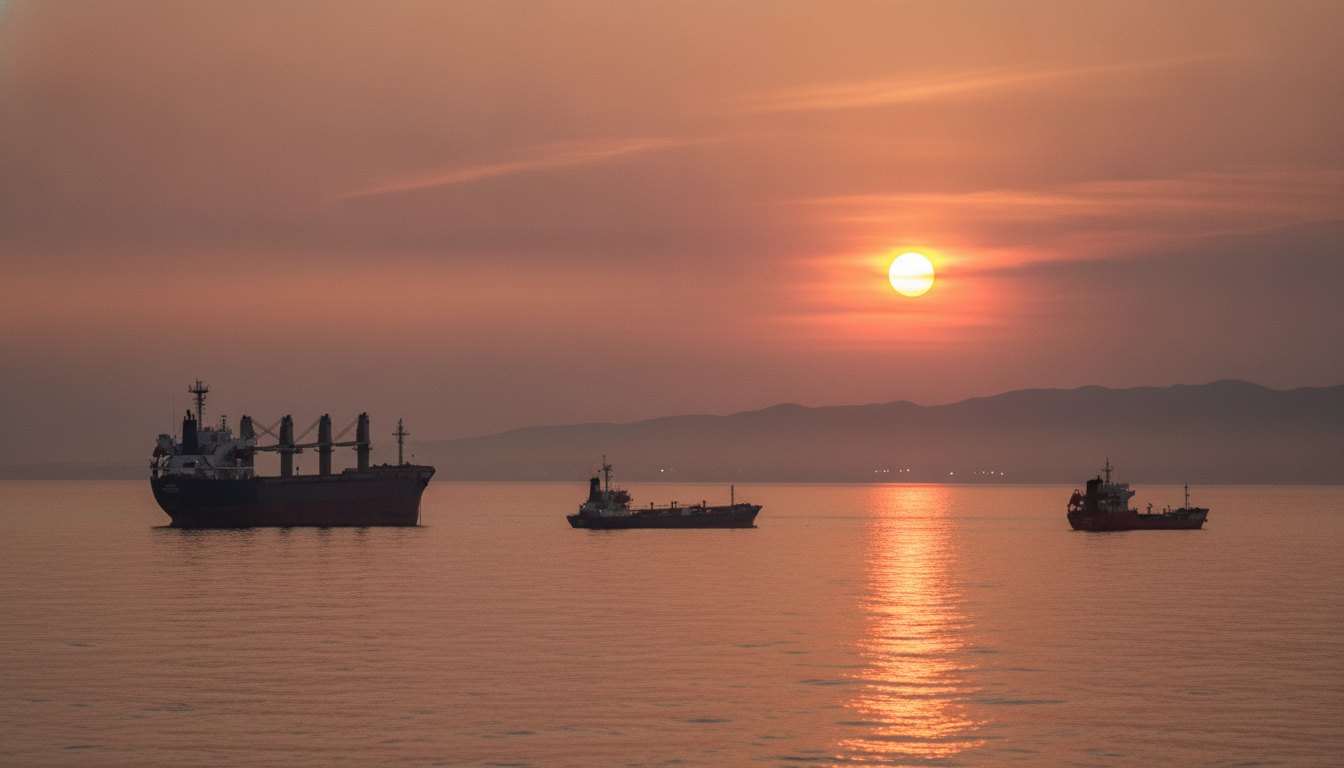
The economic toll has been equally severe. Brent crude oil prices surged to $111 per barrel, while the closure of the Strait of Hormuz—according to the International Energy Agency—caused the largest oil supply disruption ever recorded. Under the new agreement, a reconstruction fund for Iran will be established, with a minimum value of $300 billion.
The deal also addresses the nuclear issue, committing Tehran to refrain from developing atomic weapons. However, the specifics of this commitment remain vague, raising further questions about the future trajectory of U.S.-Iran relations.
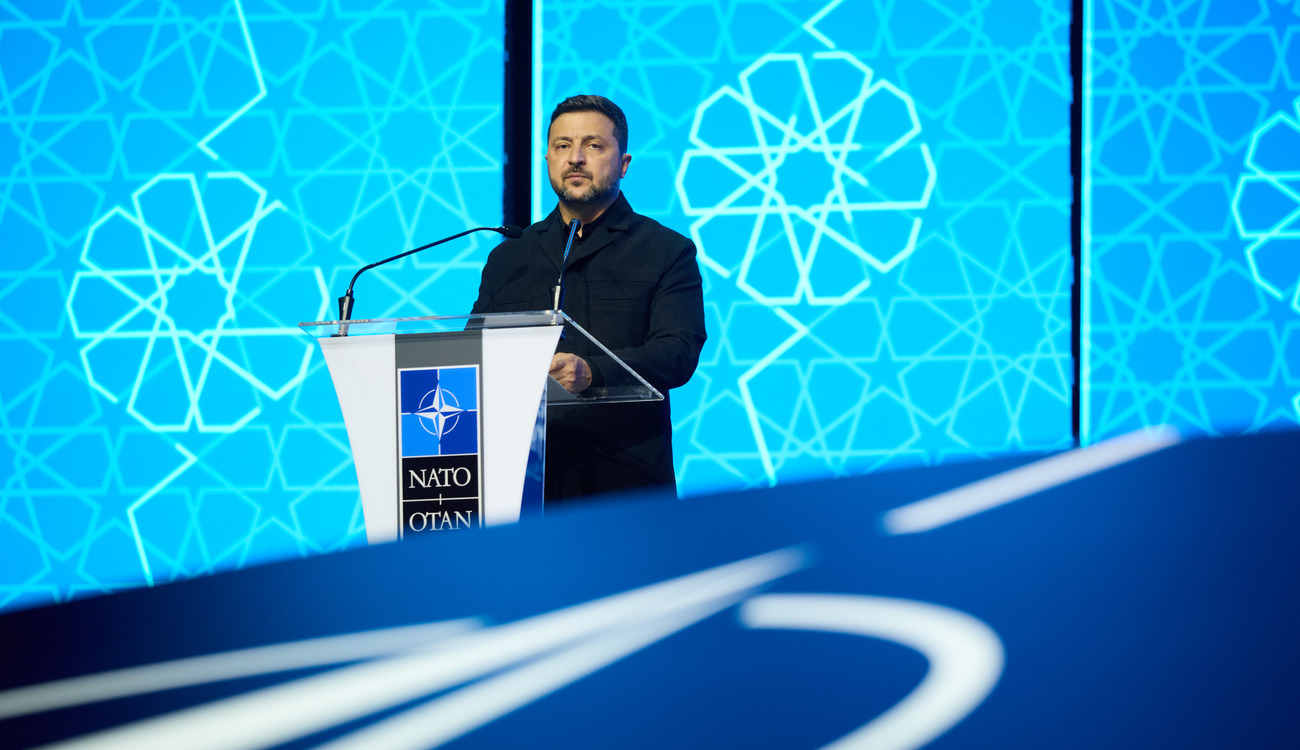
Ukrainian President Volodymyr Zelenskyy has noted that the regional situation remains highly volatile.
Meanwhile, Ukraine continues to strike Russian oil refineries using drones—a reminder of the broader scope and severity of military conflicts unfolding alongside this agreement.
The signing of the U.S.-Iran accord marks a pivotal effort to de-escalate tensions in the Middle East, where hostilities have inflicted serious damage on global economic stability and security. Restoring navigation through the Strait of Hormuz—a vital artery for oil shipments—could help stabilize energy markets. Still, lingering ambiguity over Iran's nuclear pledges and the potential ripple effects on ties between Washington, Tel Aviv, and Tehran remain key topics of international debate.
Read also
- Trump Vows to Close Ukrainian Airspace if Russia Launches Another Attack
- Zelenskyy Holds Over 20 Talks in Ankara, Secures €70 Billion NATO Commitment
- Kyrgyzstan Scrambles for Fuel as China and Belarus Step In to Replace Russia
- Trump Declares Ceasefire Over as US Launches Fresh Strikes on Iran
- Experts demand a transparent competition for the director as part of DBR reform
- NATO Declares Russia the Primary Adversary as Ukraine's Military Gains Drive Peace Talks Forward