Heating Crisis in Kyiv: One-Third of Capital's Residents Endure Unstable Supply.

Kyiv's Heating Supply Crisis
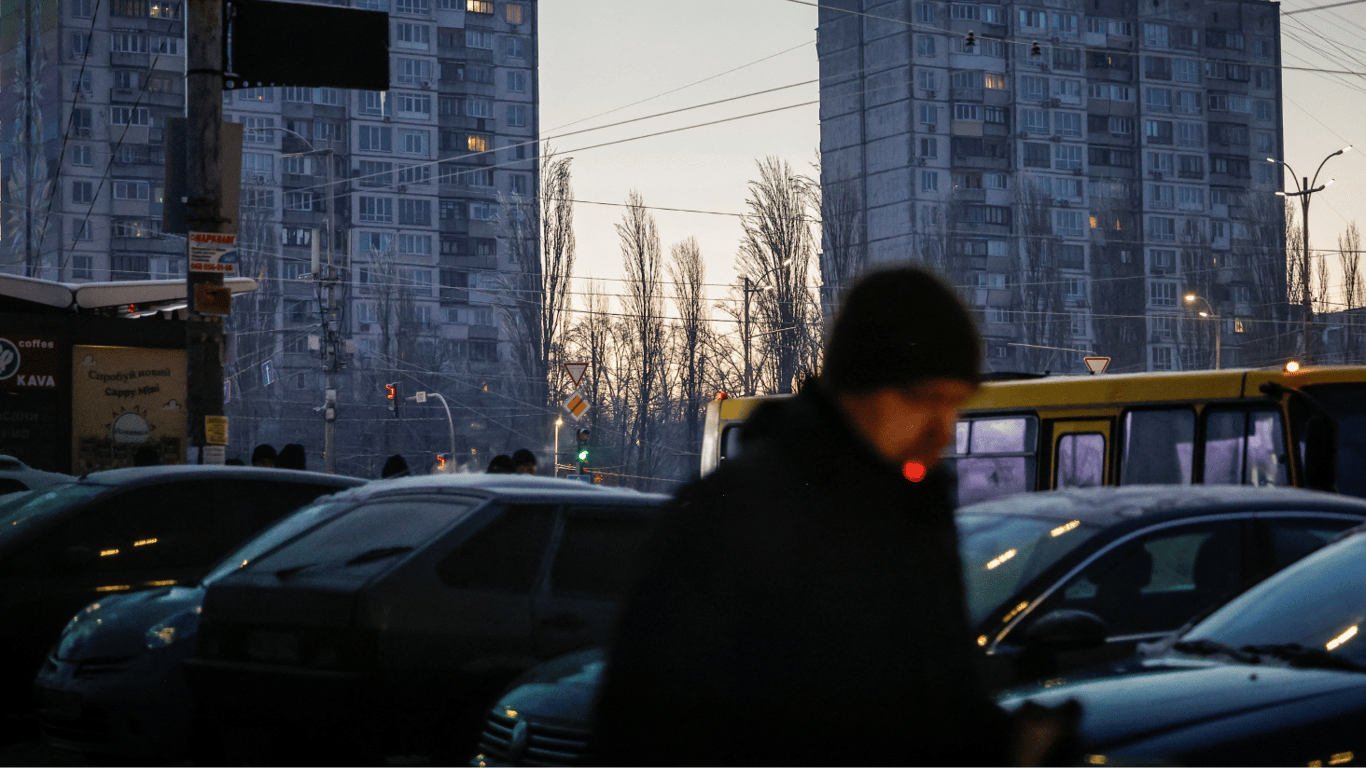
According to Novyny.live: As of January 21, 2023, a severe heating crisis is affecting Kyiv, with 4,200 apartment buildings—approximately one-third of the capital's total housing stock—suffering from an unstable heat supply. This critical situation has been exacerbated by recent attacks on the city's energy infrastructure. The majority of Kyiv's heating is provided by the CHP-5 thermal power plant, where two of its four power units are currently non-operational due to the strikes.
Compounding the heating problems, nearly 60% of Kyiv is also without electricity. Several districts have reported a complete absence of water, heat, and power, creating severe hardships for residents. Emergency crews from Lviv are working to restore the heating systems, but a stable supply for the population is not anticipated before the end of the week. This crisis highlights the severe strain on Ukraine's civilian infrastructure during the ongoing conflict.
Expert Stanislav Ignatiev commented on the situation, stating: 'We have 4,200 apartment buildings without stable heating—that's one-third of Kyiv's 12,000 residential buildings. We can say that Kyiv is approaching an energy catastrophe.'
He also expressed hope that 'within a week or two, all buildings should be reconnected, provided there are no new attacks.' The situation in the capital remains tense, with the restoration of energy resources being the top priority for local services.
Hardships for Residents
The situation in Kyiv underscores the critical challenges the city faces amid ongoing military action and an energy crisis. The instability in heating and electricity supply is severely impacting residents' quality of life, particularly during the winter months. Authorities and emergency services are working to restore resources, but the need for stability and safety remains urgent.
Consequently, the future course of events will depend on the situation at the front and the possibility of new attacks, which could further aggravate an already critical state of affairs.
Read also
- Romanian F-16 Shoots Down Drone Over National Airspace: Key Details on the Incident
- Zaporizhzhia Bombing: 30 Wounded, Including Seven Children, After Russian Airstrike
- Two Wounded, Furniture Store Damaged in July 24 Strike on Odesa
- July 24 Missile Strike on Kyiv: 10 Dead and Nearly 100 Wounded
- Deadly Strikes Hit Kyiv Region and Sloviansk: 11 Killed, Dozens Wounded
- Two Bombs Hit Sloviansk: 5 Killed and 9 Wounded in Russian Strike