Turkey, Egypt, and Pakistan Join U.S.-Iran Talks as Trump Halts Strikes.

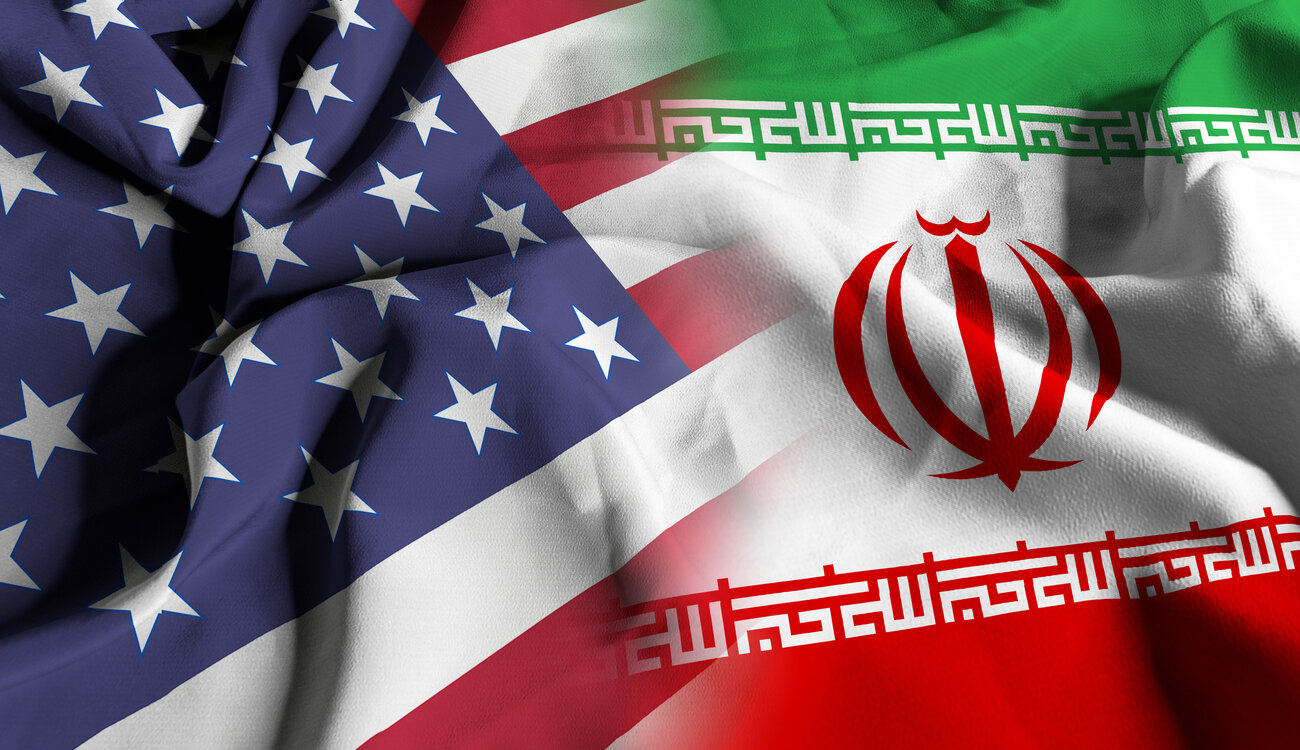
Middle East on the Brink: Diplomacy Meets Military Preparations
According to UATV: Turkey, Egypt, and Pakistan have entered negotiations between the United States and Iran, a process that has already yielded some early results. U.S. President Donald Trump announced a temporary five-day pause on strikes targeting Iran’s energy infrastructure. The decision came as part of broader discussions aimed at halting hostilities and potentially reaching a formal agreement. Meanwhile, according to the International Energy Agency, daily cargo traffic through the Strait of Hormuz has plummeted to 342,000 tons from 3.5 million tons—a stark indicator of the severe economic fallout from regional tensions.
International Support
NATO Secretary General Mark Rutte confirmed that 22 nations are prepared to help secure the region.
“The good news is that since Thursday, a group of 22 countries has come together to implement a concept aimed at ensuring freedom of navigation in the Strait of Hormuz,” - Mark Rutte.This signals broad international backing for a peaceful resolution and efforts to stabilize one of the world’s most strategically vital waterways.
Despite these diplomatic moves, the United States is also weighing the possibility of a ground operation in Iran to prevent the country from acquiring nuclear weapons.
“They will not have a nuclear weapon—that’s point number one. They have agreed to that,” - Donald Trump emphasized.As a result, U.S.-Iran relations remain tense, with both diplomatic initiatives and potential military action still on the table in international discussions.
The region remains under high pressure given the Strait of Hormuz’s critical role in the global economy. The importance of an international coalition to safeguard shipping highlights the deep link between energy security and geopolitical interests. Ongoing talks between Washington and Tehran could shape not only bilateral relations but also the stability of the broader Middle East, with ripple effects on global markets and security. The international community is therefore closely monitoring every development in this volatile region.
Read also
- At NATO Summit, Zelenskyy Proposes Joint Production of Patriot Missiles for Ukraine
- At the NATO Summit in Ankara, Zelenskyy Reports Ukraine Intercepts 90% of Russian Drones and Urges Stronger Air Defense
- At Ankara Summit, Zelenskyy Raises Missile Defense: Key Agreements and Talks
- Trump's Return Sparks Record Surge in European Arms Imports from the US
- Putin and Zelenskyy Ready to Deal, Trump Claims During Ankara Visit
- Trump and Erdogan Discuss Peace Talks: 30,000 Deaths Per Month in Ukraine War