The UK government may raise the sugar tax: Lucozade and Ribena at risk.

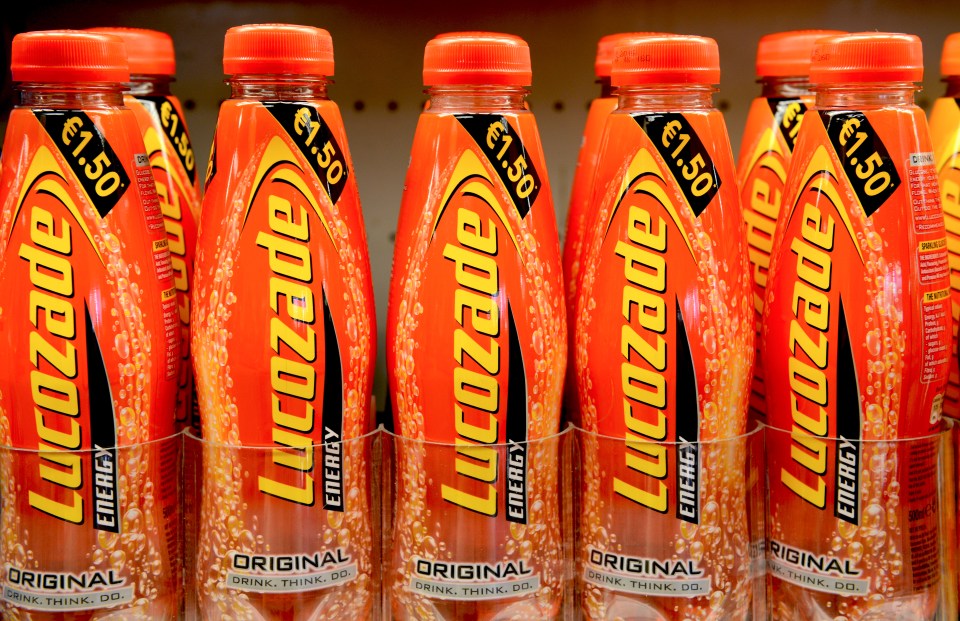
According to The Sun: Companies Ribena and Lucozade may change the recipe of their drinks due to a possible increase in the sugar tax.
The announcement of these changes is expected on November 26 as part of the active budget.
GettyThe Japanese company Suntory, which produces Ribena and Lucozade, has expressed concern about potential investments in the UK amounting to tens of millions of pounds due to the planned tax increase.
The Treasury is currently considering the possibility of lowering the initial tax threshold from 5g to 4g of sugar per 100ml.
Currently, Ribena contains 4.5g of sugar per 100ml.
This tax was introduced in April 2018 to encourage manufacturers to reformulate their products, and the funds raised are directed to sports programs and school breakfasts.
“The government proposal to change the beverage tax will negatively impact large British brands like Lucozade and Ribena, without significant health benefits,” noted Eliza Zeibold, Chief Operating Officer of Suntory Beverage & Food GB & Ireland.
“These savings are less than one slice of butter on toast per person per year.”
“With less than 7% of sugar consumption in the UK coming from soft drinks, the government should be looking for solutions that go beyond such changes and think broader about diet and health.”
The current tax is 24 pence per liter for soft drinks containing more than 8g of sugar per 100ml and 18 pence per liter for drinks with 5-8g of sugar per 100ml, while drinks with less than 5g per 100ml are exempt from the tax.
When Ribena changed its drink recipe ahead of the previous sugar tax increase in 2018, fans complained that it tasted like 'sewer extract'. At that time, the drink was modified by using sweeteners Acesulfame K and Sucralose.
Suntory stated that any new tax increase would require re-reformulation, but the company decided to wait for the decision after the budget.
Other threats to popular beverages
In a parallel case, the restaurant chain Toby Carvery has canceled free refills of Pepsi.
As of October 1, new rules have begun in Ukraine that prohibit buy-three-get-one-free promotions for unhealthy food and drinks.
Toby Carvery confirmed that the offer now excludes sugary drinks like Pepsi due to changes in legislation. Previously, non-sugary drinks were available at the chain's refill stations, except for Pepsi.
One visitor noted on social media: 'They succumbed to the government sugar tax.'
Additionally, changes have affected merchandising. Customers can continue to enjoy free refills of the diet versions of drinks; however, the Peri-Peri chain has stopped refilling Coca-Cola due to the new rules.
Wetherspoons and Morrisons supermarkets have also been forced to cancel popular offers.
They canceled free chocolate refills.
New rules prohibit buy-one-get-one-free promotions on sugary products in supermarkets, and 'endless' offers for some carbonated drinks have also become unavailable.
According to reports from The Sun, the ban also extends to free refills of hot sugary drinks, such as hot chocolate and sweetened coffee. The Morrisons chain was the first retailer to cancel its promotions.
The supermarket, which previously offered customers free refills of all self-service hot drinks, confirmed that this offer no longer includes hot chocolate and mocha due to changes in legislation.
The popular pub chain Wetherspoons, which offers free refills of coffee, tea, and hot chocolate for £1.71, has also had to remove hot chocolate from its offer.
With a new sugar tax potentially becoming a reality, concerns among producers and changes in trade are becoming increasingly relevant. Producers are feeling pressure from the government and require changes in their products, while consumers are facing new conditions in the market where beloved drinks may undergo significant changes. How this will affect consumer behavior and product popularity remains to be seen.Read also
- New U.S. Tariffs Hit 60 Nations: Here Are the Rates for the EU and Russia
- Russia’s Oil and Gas Revenue Set to Surge by 60%—Here’s What’s Driving the Jump
- IMF Disburses $690 Million Second Tranche to Ukraine: Where the Funds Are Going
- Russia’s Budget Deficit Could Hit 7 Trillion Rubles—What Are the Default Risks?
- Expert Sets Critical Threshold: 60% of Russia's Oil Refining Capacity Must Be Destroyed
- Russia Faces Imminent Fuel Crisis: Why Refinery Recovery Is Nearly Impossible, Expert Warns