EU failed to approve a loan for Ukraine of 140 billion euros: what is the reason.

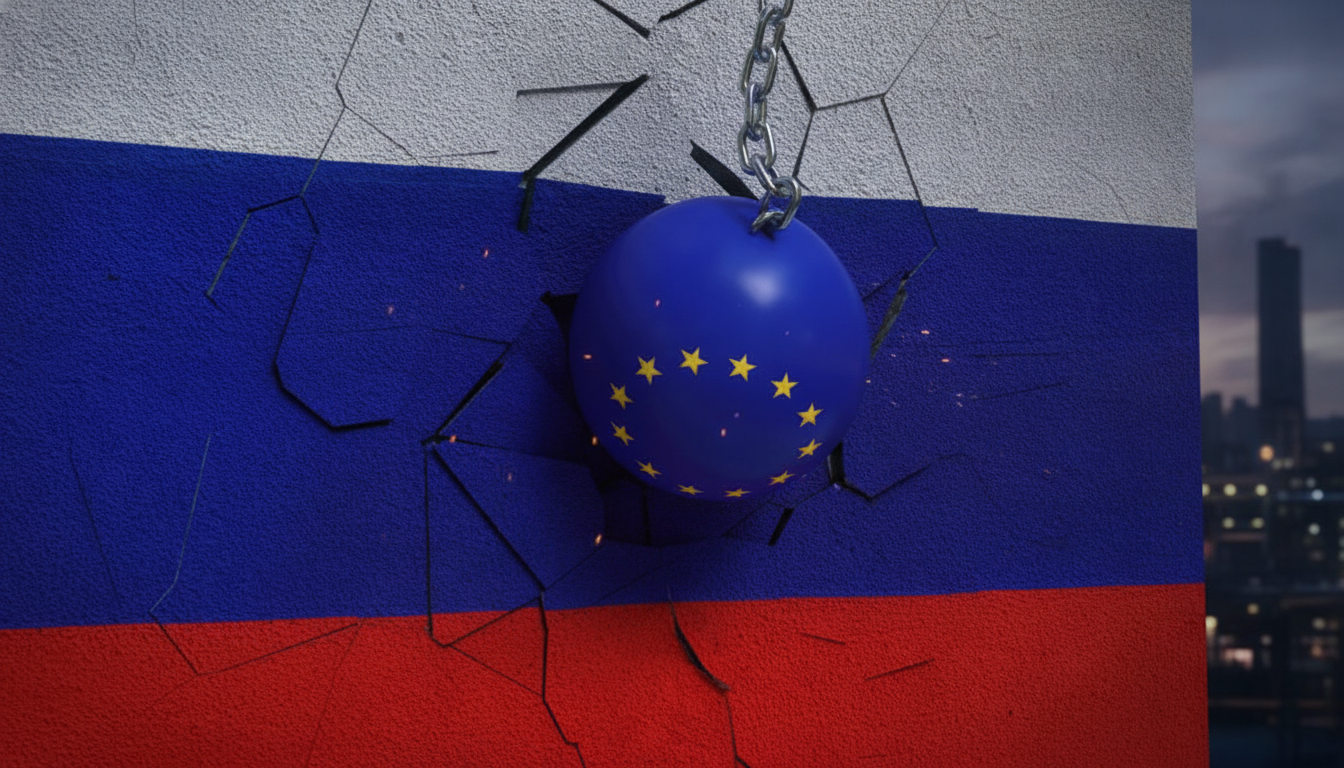
According to inkorr.com: At the summit held on October 1 in Copenhagen, leaders of the European Union failed to reach an agreement on providing Ukraine with a loan of 140 billion euros, using frozen Russian assets. The main obstacle was Belgium's veto, while France and Luxembourg expressed concerns about possible legal consequences. This was reported by
Financial Times.
Mechanism for providing a loan to Ukraine
In the summer, the European Commission proposed a mechanism under which
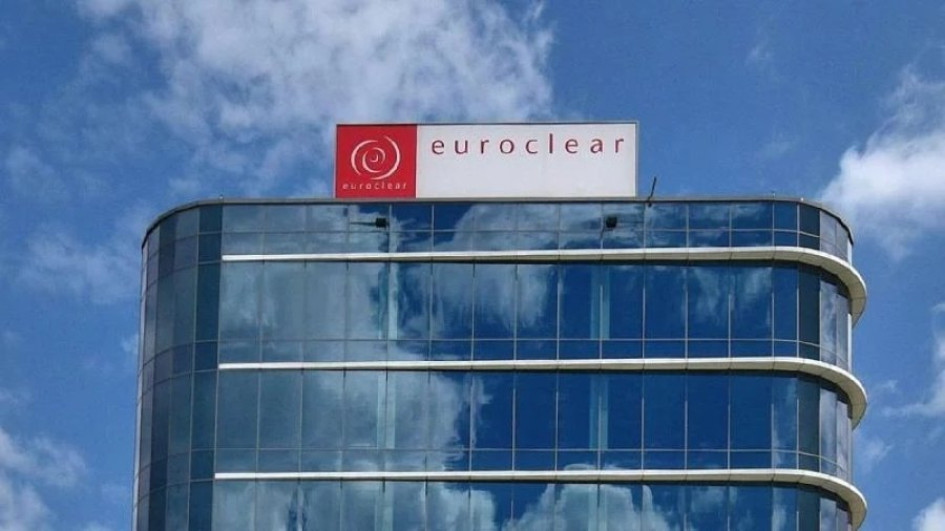
the loan to Ukraine would equalthe value of frozen Russian assets held in the Euroclear financial institution in Belgium. The main idea is that if Russia does not pay reparations after the war, it will lose rights to these assets and the funds will go towards the recovery of Ukraine.
During a brief discussion at the summit, most leaders agreed on the basic principle but insisted on a more detailed analysis of the legal and financial risks. According to three officials present at the meeting, this significantly slowed down the process.
Belgium's veto on the loan to Ukraine
Now the European Commission will have to do significant technical work, so the official legal proposal is unlikely to be ready for the next EU leaders' summit, which will take place in Brussels in three weeks.
Belgian Prime Minister Bart De Wever, whose country is key due to its location of Euroclear, insisted on
'mutual sharing'of risks among EU countries. He emphasized the importance of reinforced legal protection in case of a possible lawsuit by Russia against Belgium. De Wever clearly expressed his opposition to this proposal during a closed meeting but avoided comments for the press before and after the discussion.
This situation occurs against the backdrop of significant frozen Russian assets, which the EU and its partners have already begun using to support Ukraine. Here are key data:
Amount of sovereign Russian assets blocked in the EU: approximately 211 billion euros.
Total volume of frozen funds from G7 and Australia: about 260 billion euros in the form of securities and cash.
Other loans for Ukraine
In October 2024, the EU Council decided to provide Ukraine with a loan of 35 billion euros - this is the block's contribution to the G7 initiative, which is to amount to 50 billion dollars (approximately 45 billion euros), to be repaid from the profits of these assets. G7 countries quickly agreed on a plan: the US will take on 20 billion dollars.
On August 29, the European Commission began developing a mechanism to transfer nearly 200 billion euros of Russian assets into
'special targeted holding', supported by the G7. By the end of the year, the EU plans to pay out 18 billion euros from these sources, so the search for new tools continues.
The UK on September 4 allocated 1 billion pounds from the proceeds of frozen assets for military assistance to Kyiv.
Earlier, it was reported that the EU
agreed on a loan for Ukraineof 140 billion euros.
Thus, the situation regarding the provision of a loan to Ukraine based on frozen Russian assets remains tense. The Belgian veto has demonstrated the complexity of international financial relations, where legal risks can impact the necessary support for Ukraine. The European Union continues to seek ways to strengthen financial support; however, delays may affect the country's recovery and its economic development in the future.
Read also
- Ukraine’s Military Leadership Shake-Up: Zelenskyy Appoints Drapatiy as New Commander-in-Chief and Skybyuk as Chief of General Staff
- EU Agrees on 21st Sanctions Package Against Russia: Fresh Curbs Targeting Finance and Energy
- Trump Approves Nuclear Deal with Saudi Arabia, Allowing Enrichment Without IAEA Oversight
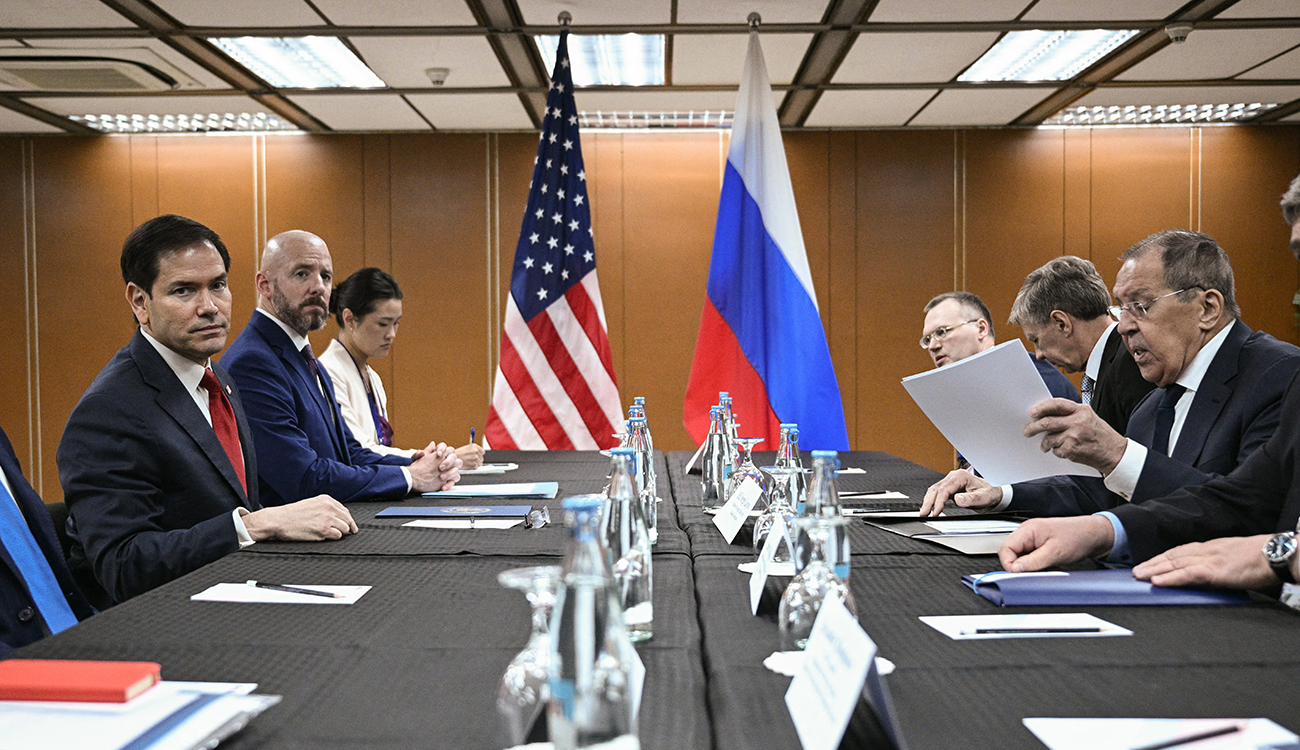
- Rubio and Lavrov Hold Talks in Manila: Key Topics at the ASEAN Summit
- Lavrov Delivers an Ultimatum to Rubio: Demand to Halt U.S. Military Aid to Ukraine
- Pentagon Requests $67 Billion More as US War Costs Against Iran Hit $37.5 Billion