Odesa Water and Sewage Rates to Remain Unchanged in February 2026.

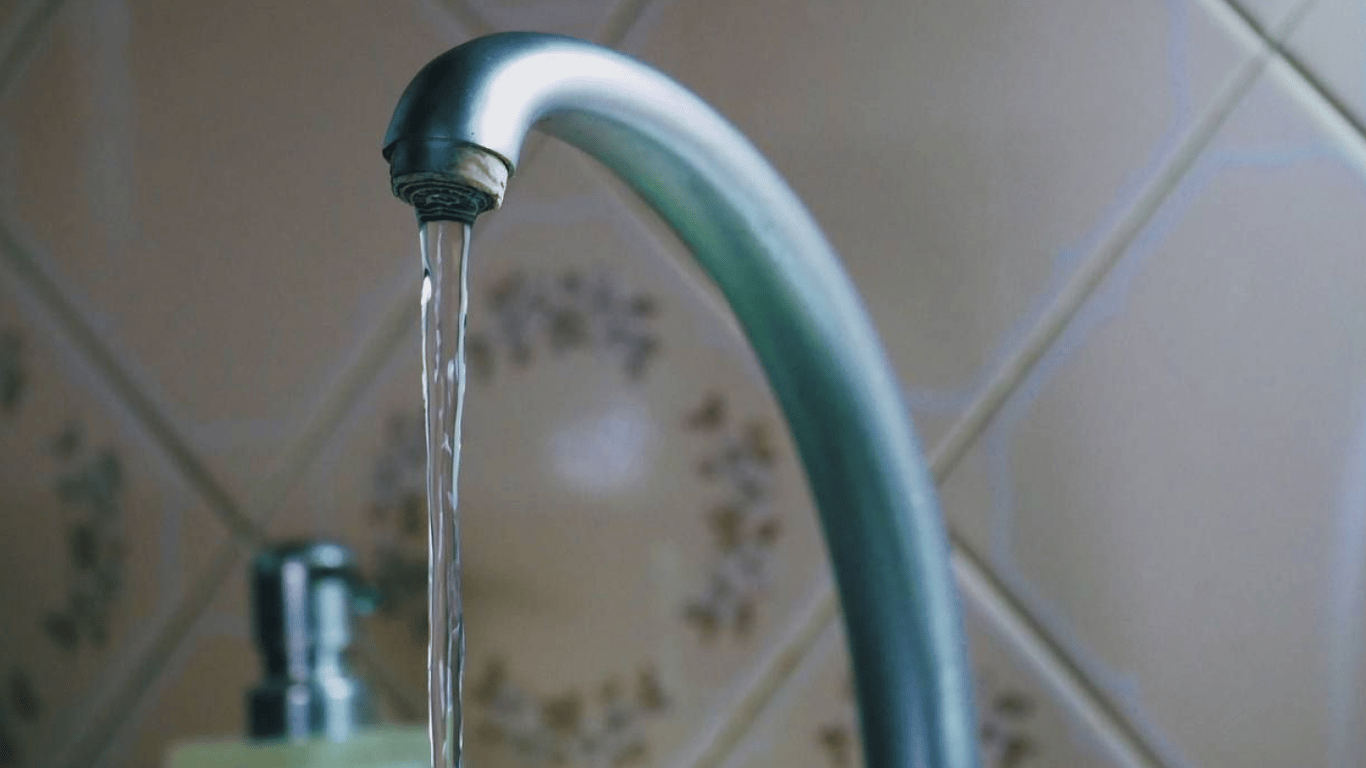
Odesa's Water Supply and Sewage Rates for February 2026
According to Novyny.live: The National Commission for State Regulation of Energy and Utilities (NKREKP) has approved a decision to keep water supply and sewage tariffs unchanged for Odesa's residents, businesses, and other organizations in February 2026. This regulatory decision provides cost certainty for the city's consumers. For the general population, the cost of water supply will remain at 14.93 UAH per 1 m³ (excluding VAT), while the sewage tariff for this group will stay at 14.37 UAH per 1 m³ (excluding VAT).
The approved rates for businesses are as follows:
- Water supply tariff: 10.93 UAH per 1 m³ (excluding VAT)
- Sewage tariff: 7.74 UAH per 1 m³ (excluding VAT)
For other organizations, the water supply tariff is set at 25.80 UAH per 1 m³ (excluding VAT), and the sewage tariff at 20.40 UAH per 1 m³ (excluding VAT). All these specified rates will remain in effect without any adjustments in February 2026.
The Significance of Tariff Stability
Maintaining stable water and sewage charges is crucial for local consumers in Odesa, as it directly affects household and business budgets. This freeze on rate increases may indicate stability in the operations of local authorities and their ability to provide essential utility services without adding to the financial burden of the population, which is particularly important given the broader economic challenges facing the region. Such predictability aids in financial planning for both families and enterprises.
Read also
- Russia’s Oil and Gas Revenue Set to Surge by 60%—Here’s What’s Driving the Jump
- IMF Disburses $690 Million Second Tranche to Ukraine: Where the Funds Are Going
- Russia’s Budget Deficit Could Hit 7 Trillion Rubles—What Are the Default Risks?
- Expert Sets Critical Threshold: 60% of Russia's Oil Refining Capacity Must Be Destroyed
- Russia Faces Imminent Fuel Crisis: Why Refinery Recovery Is Nearly Impossible, Expert Warns
- Economist identifies Russia's point of no return: why it can never reclaim its place among global economic leaders