40,000 Discount Transit Cards Suspended in Lviv: Who Will Lose Their Free Rides.

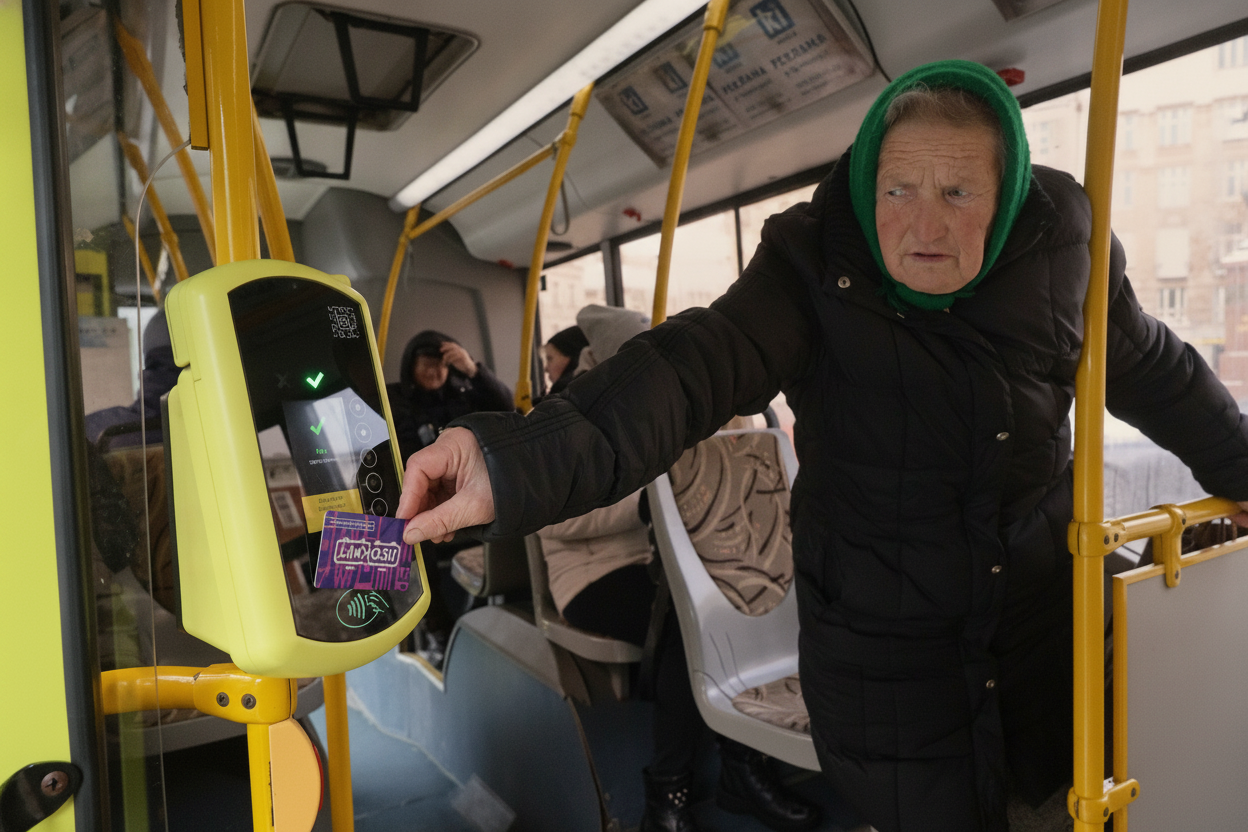
Fuel Price Spike Triggers Freeze on 40,000 Discount Cards
According to Espreso.tv: Rising fuel costs in Lviv have led to the suspension of 40,000 concessionary travel cards for residents from neighboring communities. The city aims to save around 10 million hryvnias annually on expenses tied to providing subsidized public transport. This move stems from financial pressures on local budgets, as only one of the 12 communities in the Lviv agglomeration agreed to fund compensation for eligible riders on municipal transit.
Who Qualifies for Discounted Travel in Ukraine
Across Ukraine, over 10.5 million people are entitled to reduced-fare or free public transport. These groups include:
- pensioners
- veterans
- people with disabilities
- combat veterans
- children from large families
Ukraine's 'Road Transport Law' mandates that carriers transport these passengers at no charge. Yet local community representatives now voice concerns about the reimbursement mechanism for these trips. As a spokesperson for the Davydiv territorial community noted:
“No clear compensation framework has been developed yet.”
To address this, draft law No. 5651-2 proposes monetizing these benefits, a shift that could reshape Ukraine's entire concessionary travel system. For now, the situation remains unresolved, and local governments continue seeking ways to ease their financial burden. The Murovanska community, for instance, allocated 2.6 million hryvnias for compensation—showing willingness to cooperate, though this does not solve the broader challenge.
“Once we reach final agreements, we will announce them and provide more details,” said Oleh Zabarilo, highlighting the need for further negotiations on benefit funding.
Meanwhile, the overall state of discount travel in Ukraine calls for systemic reform and clear regulations to safeguard the rights of all eligible citizens.
The situation in Lviv and other Ukrainian communities mirrors wider fiscal struggles faced by local authorities. Amid economic instability and rising costs—especially for fuel—ensuring subsidized transport has become critical for many residents. The proposed monetization law could be a key step forward, but it requires thorough discussion and consensus among all stakeholders.
Read also
- New U.S. Tariffs Hit 60 Nations: Here Are the Rates for the EU and Russia
- Russia’s Oil and Gas Revenue Set to Surge by 60%—Here’s What’s Driving the Jump
- IMF Disburses $690 Million Second Tranche to Ukraine: Where the Funds Are Going
- Russia’s Budget Deficit Could Hit 7 Trillion Rubles—What Are the Default Risks?
- Expert Sets Critical Threshold: 60% of Russia's Oil Refining Capacity Must Be Destroyed
- Russia Faces Imminent Fuel Crisis: Why Refinery Recovery Is Nearly Impossible, Expert Warns