Insults Against Ukrainian Soldiers Could Lead to Fines or Up to 12 Years in Prison Under Proposed Laws.

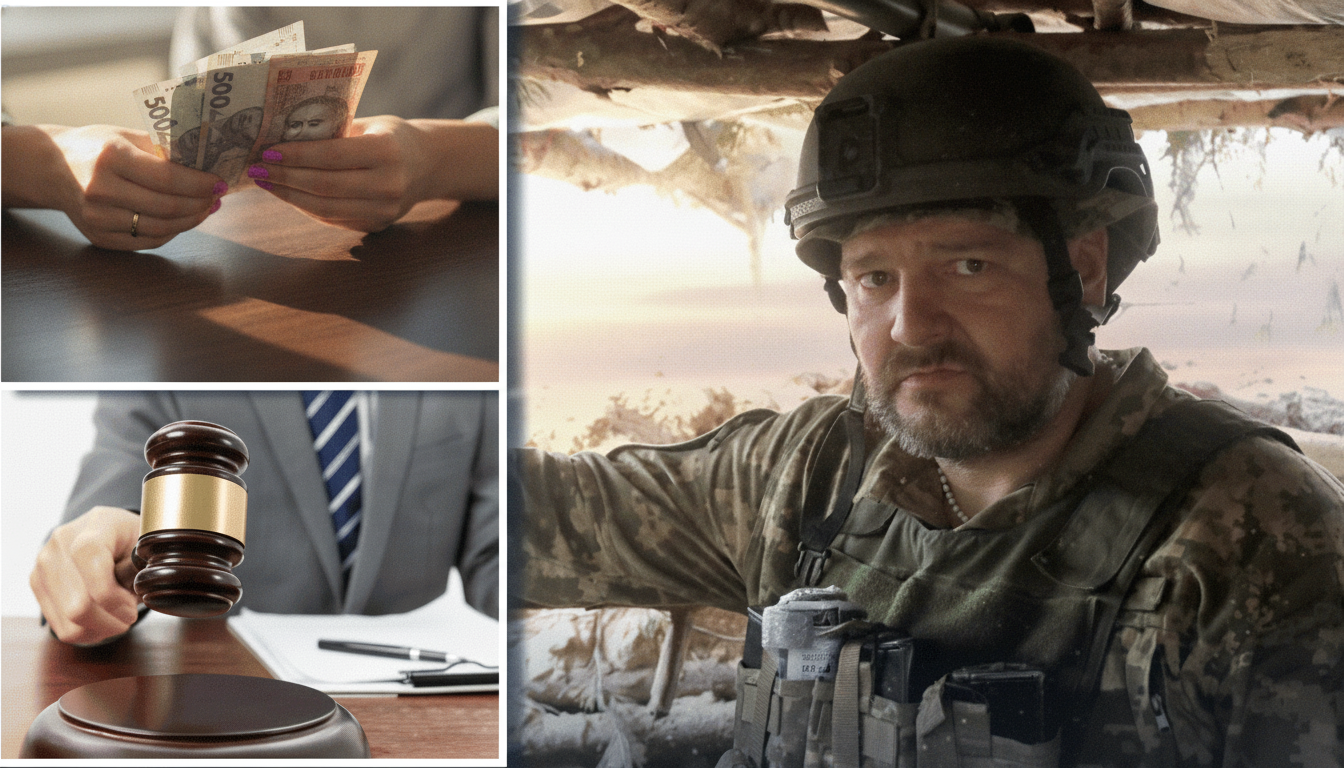
Fines and Criminal Penalties Proposed for Insulting Military Personnel
According to Novyny.live: Ukraine's parliament, the Verkhovna Rada, is currently reviewing several legislative proposals aimed at penalizing those who insult or threaten members of the armed forces. None of these bills have been passed yet, but their discussion highlights a growing effort to safeguard the honor and dignity of service members, especially during wartime. This push comes amid ongoing conflict, where public respect for the military is seen as crucial to national morale and unity.
Draft Law No. 10014
This bill introduces a new offense called 'disrespect toward a service member,' carrying fines between 3,400 and 5,100 Ukrainian hryvnias. It would represent an initial legal step to address verbal attacks directed at soldiers.
Draft Law No. 13384
Registered in 2025, this proposal imposes stricter punishments, including prison sentences of 3 to 5 years for actions that degrade a soldier's honor and dignity. Lawmakers intend this to be a proportional response to cases of humiliation targeting military personnel.
Draft Law No. 13384-1
This version sets even harsher penalties: fines ranging from 17,000 to 68,000 hryvnias for insulting soldiers, and up to 12 years of imprisonment for causing severe injuries. These measures reflect a serious commitment to protecting Ukraine's military members.
As of now, none of these bills have been enacted, but their consideration in parliament underscores the pressing need to address how society treats its defenders. Legislators are seeking effective ways to ensure adequate respect for those serving the country.
The ongoing debate in the Verkhovna Rada emphasizes the importance of social protection for military personnel, particularly amid Ukraine's protracted war.
Introducing these new legal norms could mark a significant step toward fostering a culture of respect for those who serve the nation, while also combating instances of military denigration. It reflects a broader societal desire to support the army and create safer conditions for its representatives.
Read also
- Ukraine and Moldova Are Poised to Launch All Five EU Accession Clusters
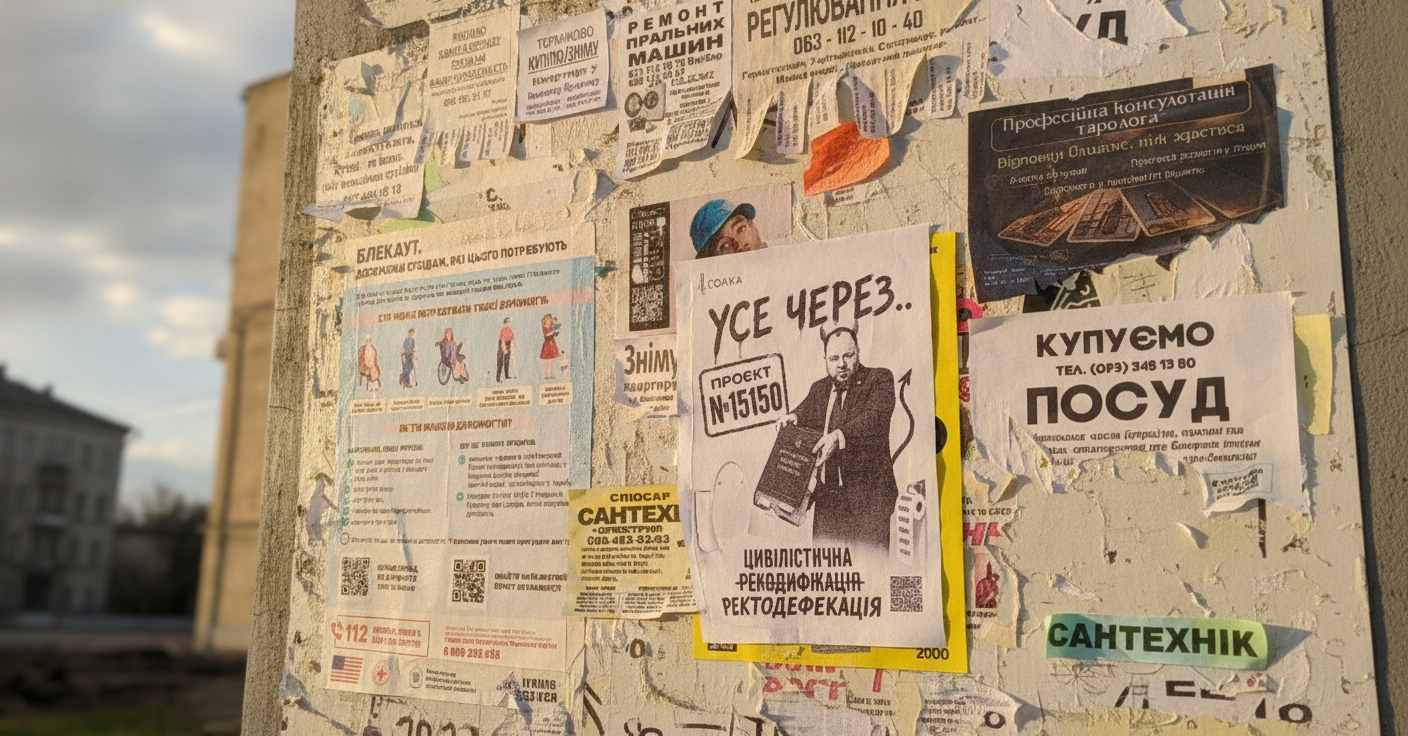
- Why Ukrainians Are Being Urged to Join a Flash Mob Over Stefanchuk’s New Civil Code
- Washington Sends Troops Back to Estonia: Fresh Units Arriving This Summer
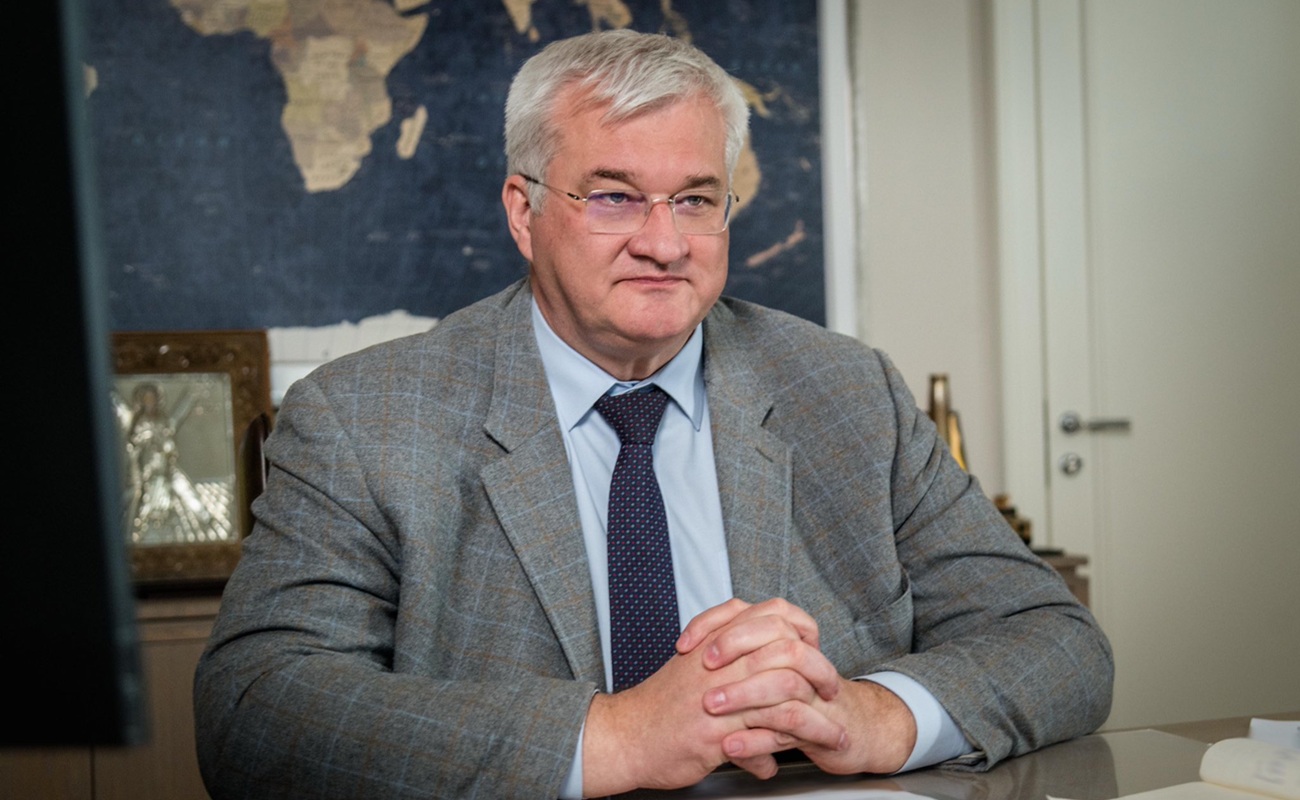
- Ukraine Seeks Stronger Ties with Poland, Says Foreign Minister Sybiha
- Positive Steps Forward: Zelenskyy Reports Progress on U.S. Drone Agreement
- European Parliament Urges Reconciliation Between Ukraine and Poland Over UPA Dispute