Syria's First Parliamentary Elections after the Fall of Assad: What the Elections Revealed.


On October 5, parliamentary elections were held in Syria, marking the first since the fall of Bashar Assad in December 2024. These elections were not perceived as a total victory for democracy, but rather as a ritual of legitimizing new power structures within traditional democratic procedures.
According to inkorr.com: Recent parliamentary elections in Syria were conducted under a new electoral system, where deputies were elected by special bodies rather than directly by voters. This initiative sparked considerable outrage among Syrians and observers.
New Electoral System in Syria
This parliamentary election used a new electoral system. The parliament consisted of 210 deputies, however, voting was not conducted directly by the populace. Deputies were elected by special bodies such as electoral committees or councils. This raised questions among Syrians and independent observers, who compared these elections to the old democratic practices in the country.
Moreover, the candidate selection system turned out to be quite convoluted, complicating the process and reducing its transparency. The absence of political party participation further exacerbated the issues surrounding candidate identification.
Pro-Western Views on the Elections in Syria
Pro-Western politicians criticized these elections, deeming them undemocratic and opaque. Meanwhile, EU and NATO countries opted for a restrained response, limiting themselves to congratulations regarding this event.
Conclusions on the Elections in Syria
The elections in Syria demonstrated that centralized power remains, with the president continuing to control the voting process while attempting to decentralize the political system. This evoked mixed opinions among locals and the international community regarding the country's future.
The parliamentary elections in Syria, which marked the first occurrence of its kind since the fall of Bashar Assad, did not bring significant changes to the political landscape. The new electoral system and the convoluted candidate selection process raised doubts about the elections' legitimacy, even though some countries remained reserved in their assessments. These elections stimulate discussions about Syria's political future and its engagement with the international community.
Read also
- Russia's Nuclear Deterrence System Has Been Broken: What This Means for Ukraine
- Trump sparks Kremlin confusion as Peskov and Zakharova contradict each other
- France and Poland Launch Nuclear Security Group: What It Signals for NATO
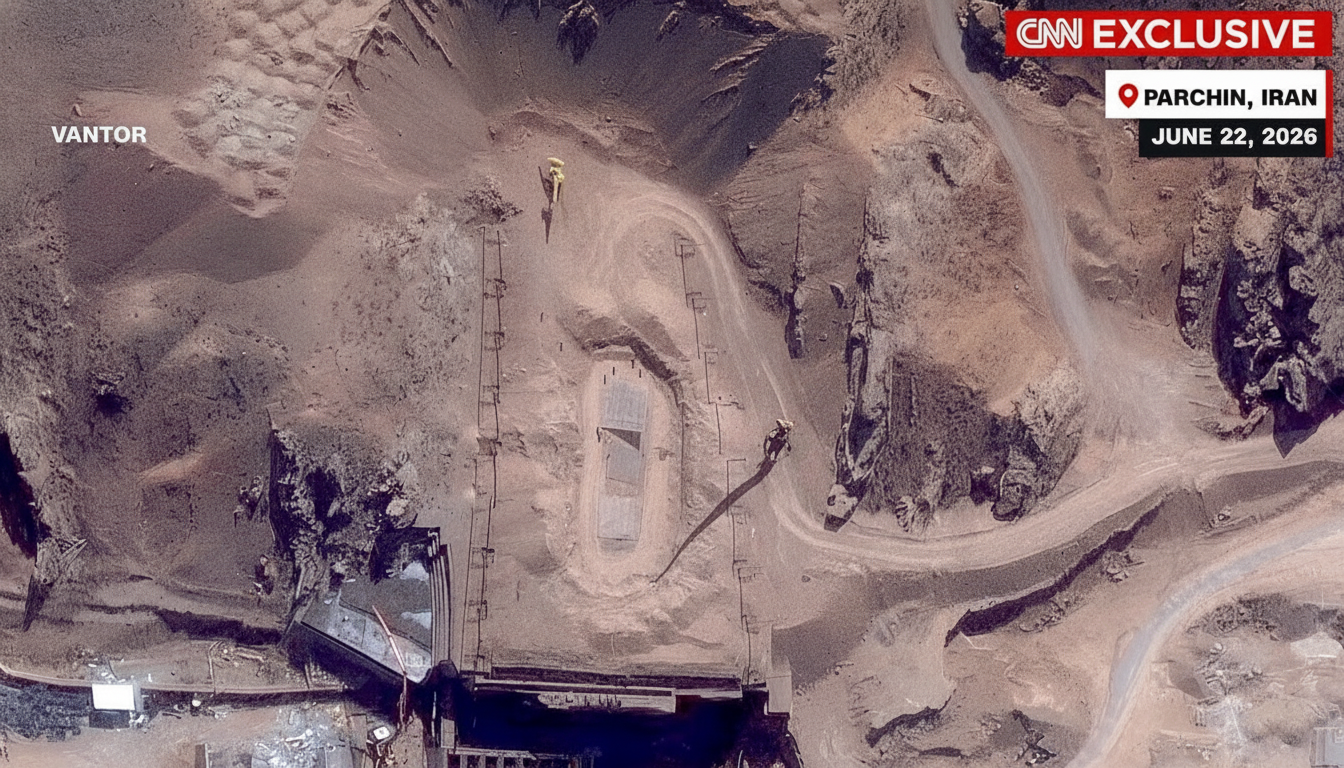
- Satellite Imagery Reveals Iran Reactivating Nuclear Sites After US Deal
- Nearly $3 Million Paid: U.S. Issues First Compensation for 'Havana Syndrome' Victims
- Russia’s Strategic Position Deteriorates as Ukraine Intensifies Counteroffensives: Frontline Analysis