Drone Strikes on Moscow Refinery Force Six-Month Shutdown After Severe Damage.

Drone Attacks Target Moscow Oil Refinery
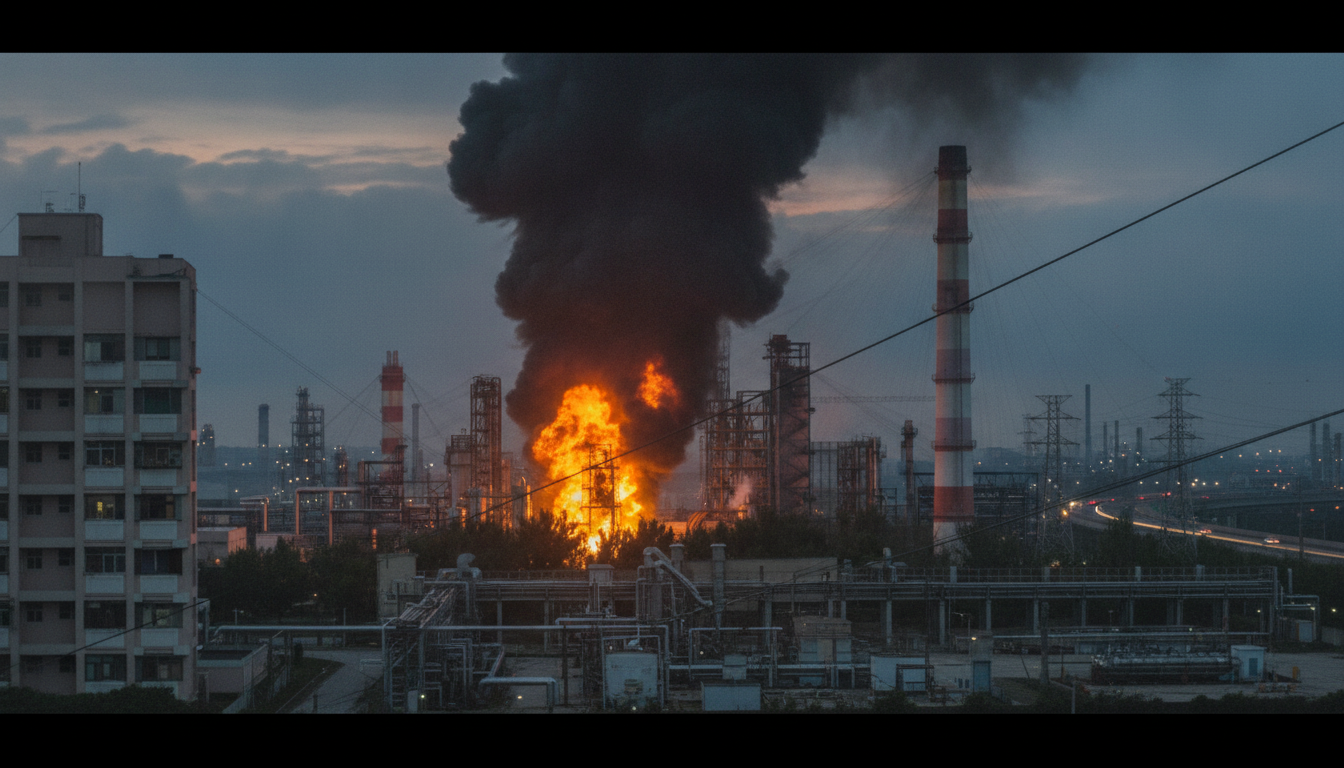
According to UATV: Two Ukrainian drone strikes on June 16 and 18, 2026, have inflicted major damage on the Moscow Oil Refinery, effectively halting operations for an estimated six months. The facility, which processed 11.6 million tons of crude oil in 2024, serves as a critical fuel supplier for the Moscow region.
The attacks have brought the refinery's activity to a standstill, with a full recovery unlikely before mid-2027. This disruption threatens to create significant fuel shortages across the capital and surrounding areas, potentially destabilizing the broader petroleum market. The prolonged outage is expected to strain supply chains and drive up prices for refined products.
Critical Situation Unfolds
The situation at the Moscow Oil Refinery remains dire, requiring substantial resources and time to restore normal operations. Analysts warn that the economic and energy security consequences for the region could be severe, as the plant's output is vital for local consumption.
These precision strikes highlight an escalating phase of the conflict in Ukraine, now directly targeting Russia's strategic energy infrastructure. The shutdown of such a key facility not only risks fuel scarcity in Moscow and neighboring regions but also pressures the Russian government to implement emergency measures to stabilize energy supplies amid rising demand and shrinking availability. The ripple effects could further strain the national economy and test the resilience of Russia's energy sector.
Read also
- Fuel Shortages and Rising Prices Drive Russians to Buy Foreign Currency in Droves
- Capital Flight from Russia: Why Billionaires Are Moving Assets Abroad
- New Government Center to Manage Employee Reservations: Salary Thresholds Set at Critical Levels
- Russia’s 2026 Budget Deficit Could Hit a Record 4.83 Trillion Rubles
- Nearly 50 Million UAH Allocated for a New Kyiv Heating Plan: What’s Changing
- Shipowners Are Increasingly Avoiding Ukrainian Ports: Here’s What’s Driving the Crisis