Fuel Shortage Hits Moscow as Ukrainian Drone Strikes on Russian Oil Depots Spark Rationing.

How Ukrainian Drone Campaigns Are Disrupting Russia's Fuel Market
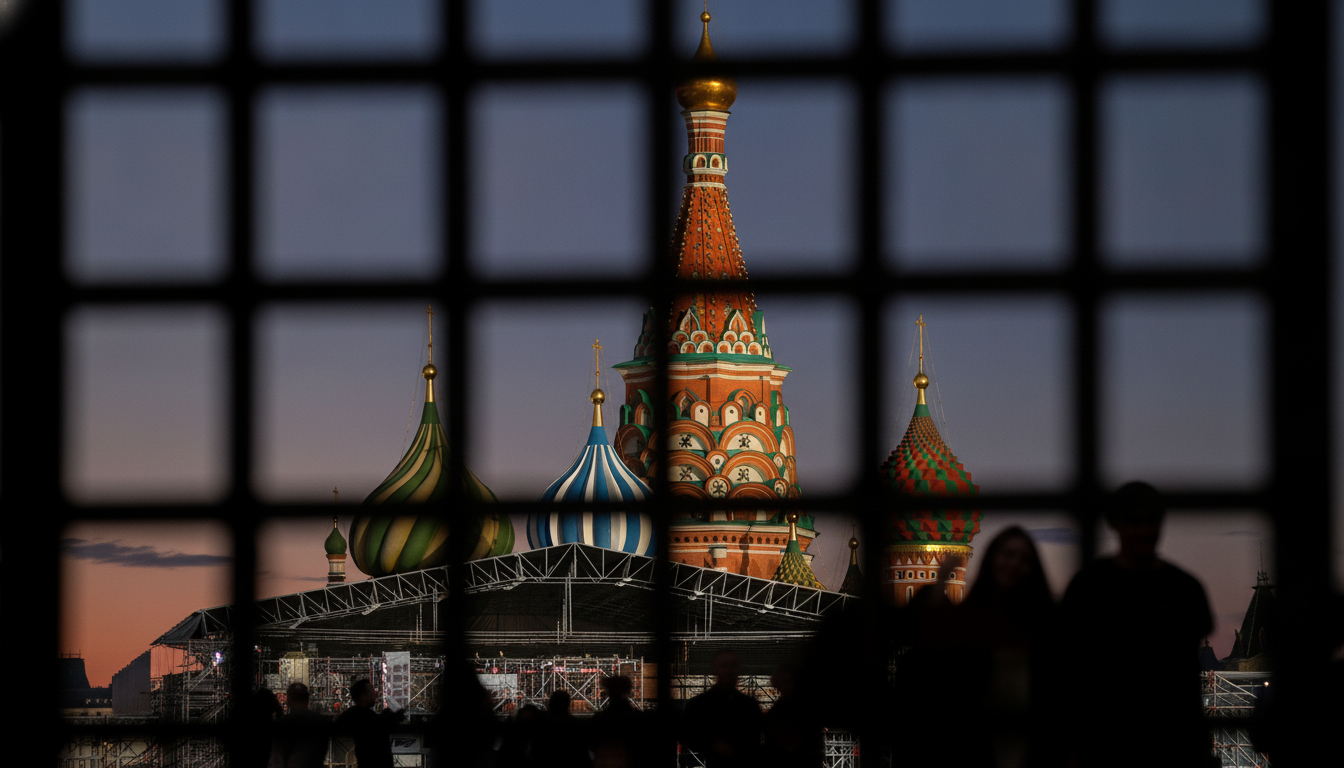
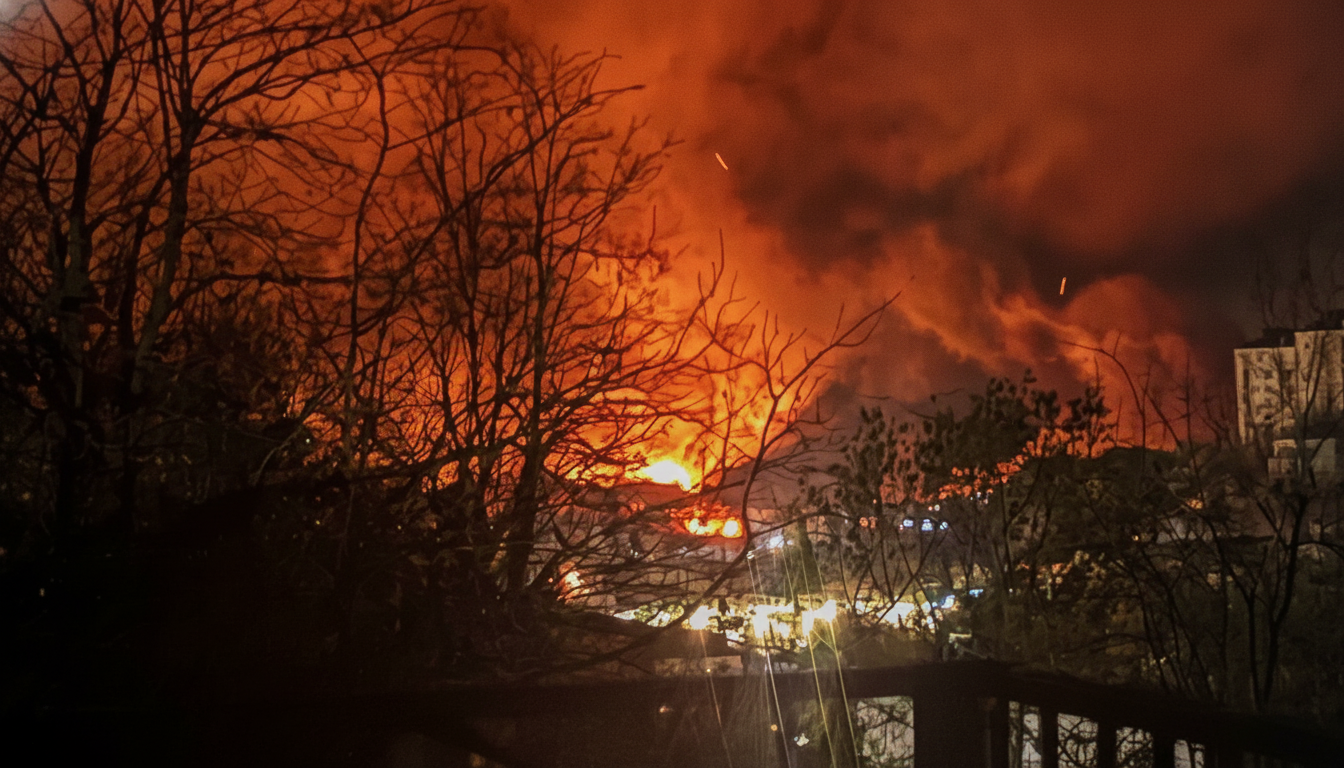
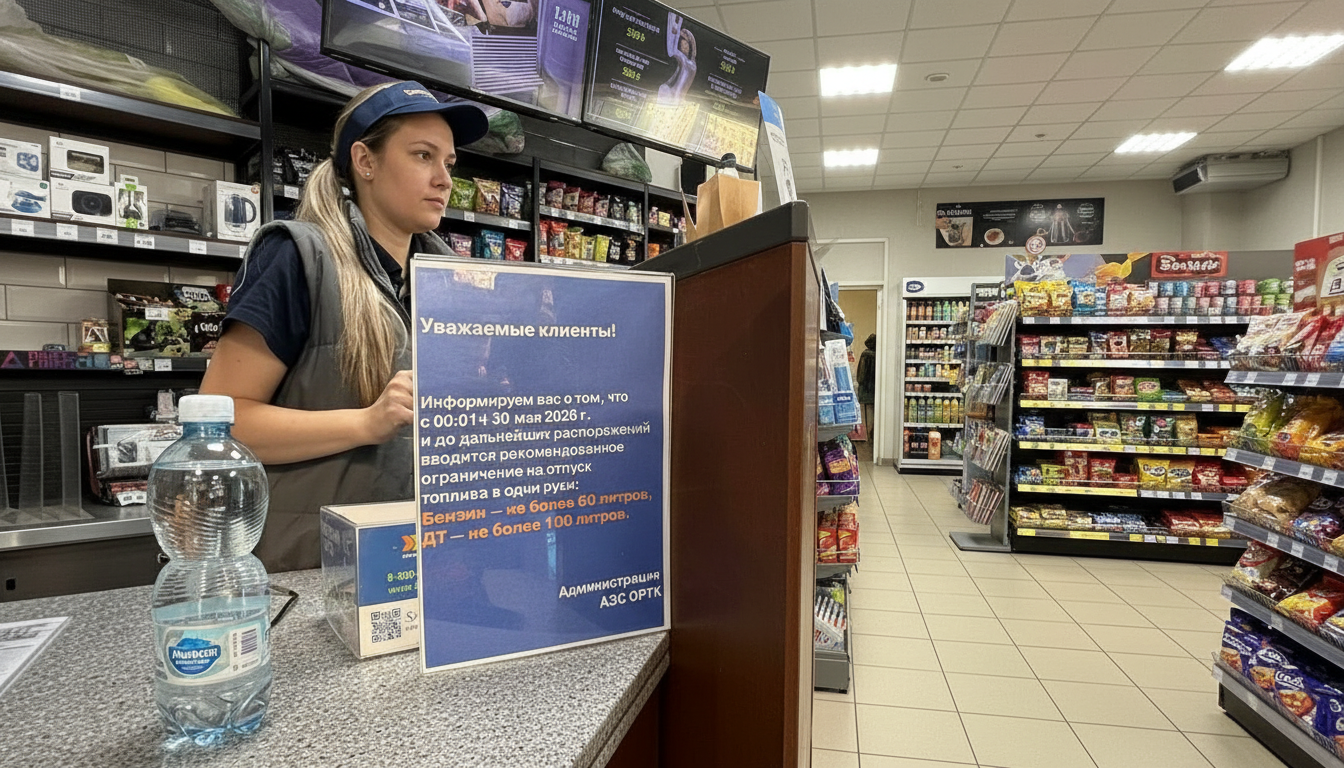
According to Novyny.live: Moscow and nearby border regions are now facing fuel shortages after a series of Ukrainian drone attacks targeted Russian oil storage facilities. In response, gas stations across the capital have started capping how much fuel customers can buy, raising alarm among drivers.
These restrictions have become a common sight in Moscow. At ORTK stations, each customer is limited to 60 liters of gasoline and 100 liters of diesel. Lukoil gas stations cap gasoline purchases at 100 liters per driver, while Gazprom stations allow between 100 and 150 liters for any fuel type. These measures highlight growing supply chain problems, as Russian refineries are now producing fuel at their lowest levels in 17 years.
Border Regions Face Even Tougher Limits
The situation is even more severe in areas near Ukraine. In the Kursk region, sales of A-95 gasoline are restricted to just 20 liters per vehicle. In occupied Luhansk, both A-92 and A-95 gasoline are rationed to 20 liters per person. These caps come as processing volumes have dropped to their worst levels since October 2009. During May alone, Ukrainian drones launched at least 30 strikes on Russian oil infrastructure, directly impacting the country's fuel supply.
As a result, the recent wave of drone attacks on Russian oil depots has significantly disrupted the domestic fuel market, forcing companies to impose purchase limits at stations in Moscow and border regions. With supplies dwindling, Russian firms have had to implement rationing, creating serious difficulties for everyday drivers.
The fuel shortage in Russia demonstrates that strikes on critical infrastructure can severely undermine a country's economic stability.
These fuel restrictions could spark public discontent among the population, which, amid an ongoing war, may have far-reaching consequences. The situation also underscores how Ukrainian forces are adapting to new challenges and opportunities in their fight against the aggressor.
Read also
- Credit Card vs. Online Loan: Which One Saves Ukrainians More Money?
- Russia’s War in Ukraine Marks a Historical Turning Point as Its Economy Cracks Under Pressure
- Brent Crude Surpasses $110 a Barrel: Could Iran Tensions Trigger a Global Energy Crisis?
- Ukraine Strikes Russian Ports: The Cost of a Month-Long Shutdown at Tuapse
- Fuel Shortage in Crimea: Russian Logistics Crippled by Ukrainian Strikes, Says Feigin
- Ukraine’s Strikes Trigger Fuel Crisis as Russia Loses 40% of Oil Refining Capacity