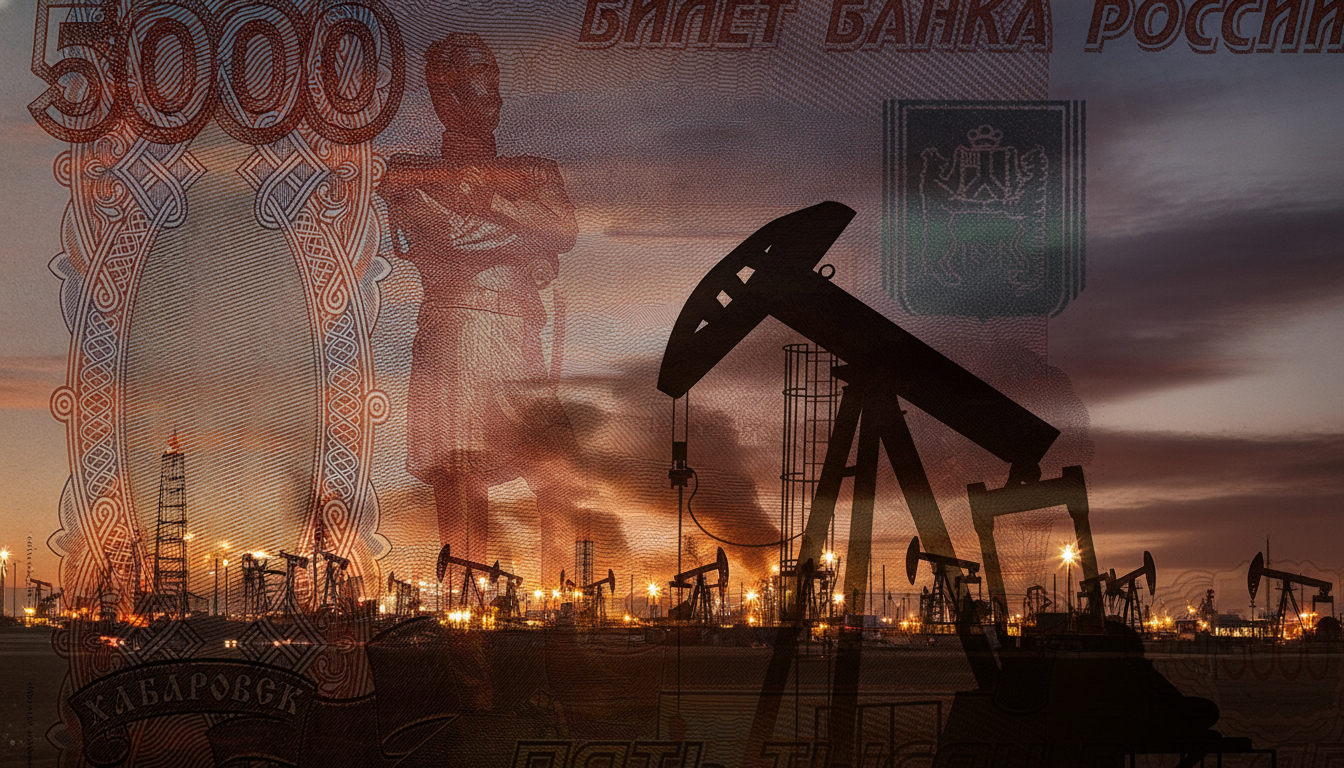
Oil Hits $119 as Iran Strikes Trigger Food Crisis and Strait of Hormuz Closure.

Iran and the Strait of Hormuz: A Growing Crisis
According to Vox - Загальний: On February 28, 2026, the United States and Israel launched military strikes against Iran, sending shockwaves through global markets. The Strait of Hormuz—a critical maritime trade corridor—has now been closed for three consecutive weeks. This blockade has driven oil prices to their highest level in four years, with Brent crude reaching $119 per barrel by March 19, 2026, a stark warning for the world economy.
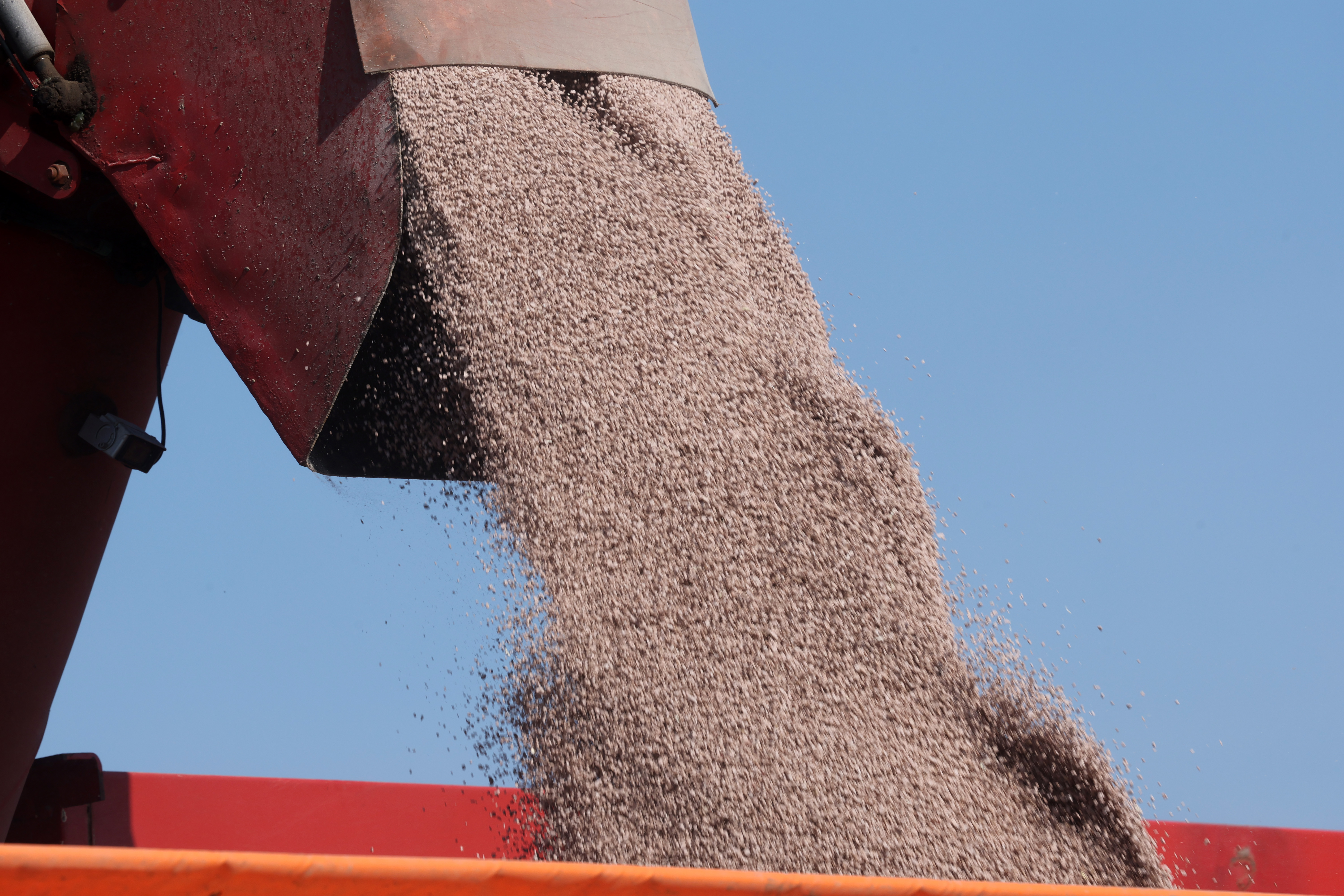
The conflict has also pushed gasoline prices above $5 per gallon in California. But the fallout extends beyond fuel costs: roughly one-third of the world's maritime fertilizer trade passes through the Strait of Hormuz, and fertilizer prices have already spiked since the crisis began. This threatens both consumers and producers, raising the risk of a global food supply disruption.
Michael Wertz: 'We are on the brink of a food catastrophe, and all anyone talks about is gas prices.'
Export Risks and Market Vulnerability
Military hostilities are also jeopardizing Qatar's export capacity. Iranian drone strikes could take roughly 17% of the world's liquefied natural gas (LNG) export capacity offline for three to five years. This further underscores the severity of the situation and the urgent need for a resolution.
Key building blocks of modern civilization—including:
- cement
- steel
- plastics
- ammonia
—are now at risk due to rising energy and fertilizer costs. These developments present the global community with serious challenges that could have lasting economic and food security consequences.
The situation in Iran and around the Strait of Hormuz carries global implications, affecting not just the oil industry but also food security and energy exports. As energy and fertilizer prices climb, market tensions are already mounting, threatening even worse economic and social fallout. It is now critical for the international community to respond to these challenges by pursuing de-escalation and working to stabilize global markets.
Read also
- Russia’s Oil and Gas Revenue Set to Surge by 60%—Here’s What’s Driving the Jump
- IMF Disburses $690 Million Second Tranche to Ukraine: Where the Funds Are Going
- Russia’s Budget Deficit Could Hit 7 Trillion Rubles—What Are the Default Risks?
- Expert Sets Critical Threshold: 60% of Russia's Oil Refining Capacity Must Be Destroyed
- Russia Faces Imminent Fuel Crisis: Why Refinery Recovery Is Nearly Impossible, Expert Warns
- Economist identifies Russia's point of no return: why it can never reclaim its place among global economic leaders