How Ukraine’s Strikes Cut Russia’s Energy Exports by 30% and Reshape the War.

Ukraine’s Long-Range Campaign Against Russian Energy Infrastructure
According to Espreso.tv: For over a year, Ukraine has been conducting a sustained campaign of long-range strikes targeting Russia’s energy infrastructure. These attacks have slashed Russia’s capacity to export energy resources by roughly 25 to 30 percent. Beyond the economic damage, the strikes have forced Moscow to rethink its defensive strategy, highlighting a shift in the conflict’s dynamics.
Operational and Strategic Pressures
On the operational front, over the past six to nine months, Ukraine has intensified its strikes on Russian logistics. This reflects a deliberate effort to destroy key infrastructure that supplies and supports Russian military units. Meanwhile, the Russian army is struggling with low combat effectiveness due to poor training and morale. Notably, if the military is cut off from proper supplies—given its already diminished readiness—this could create severe challenges for the Kremlin.
At the strategic level, Russia’s air defense systems are under strain. As an unnamed source notes, 'Moscow is pulling and concentrating its air defense systems, especially the most advanced ones, around the capital.' This indicates that Russian commanders recognize the threats posed by Ukraine and are trying to bolster their defenses. However, the Patriot system—the most effective tool for intercepting Russian ballistic missiles—could become a crucial asset for enhancing protection.
Tactically, the political context of the war also matters. Belarusian President Lukashenko appears fearful of both Ukraine and Putin, underscoring Minsk’s precarious position in the conflict. China may also play a role by supporting Russia, but its level of involvement remains unclear for now.
Analyzing these factors, it becomes clear that the war in Ukraine continues to evolve with strategic, operational, and tactical nuances that significantly influence the conflict’s trajectory and future developments.
The situation around the war in Ukraine remains fluid, and the next moves by either side could substantially shift the balance of power. It’s important to note that Ukraine’s energy strikes have not only hurt Russia’s economic metrics but also compelled its military leadership to adapt defensive strategies. As threats from Ukraine grow, Russia is likely to keep strengthening its defensive positions, potentially leading to new phases of escalation.
Read also
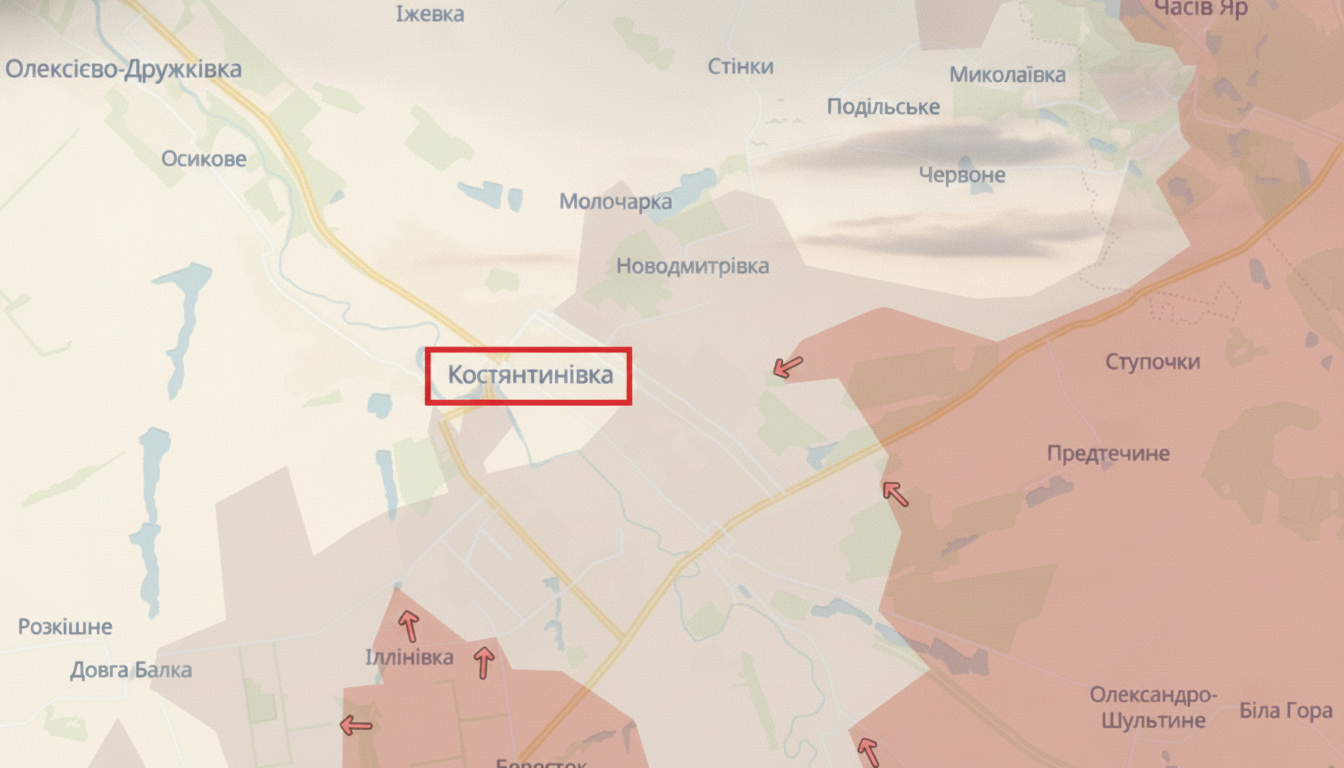
- Kostiantynivka Capture Bid Fails: Predicting the Next Wave of Russian Assaults
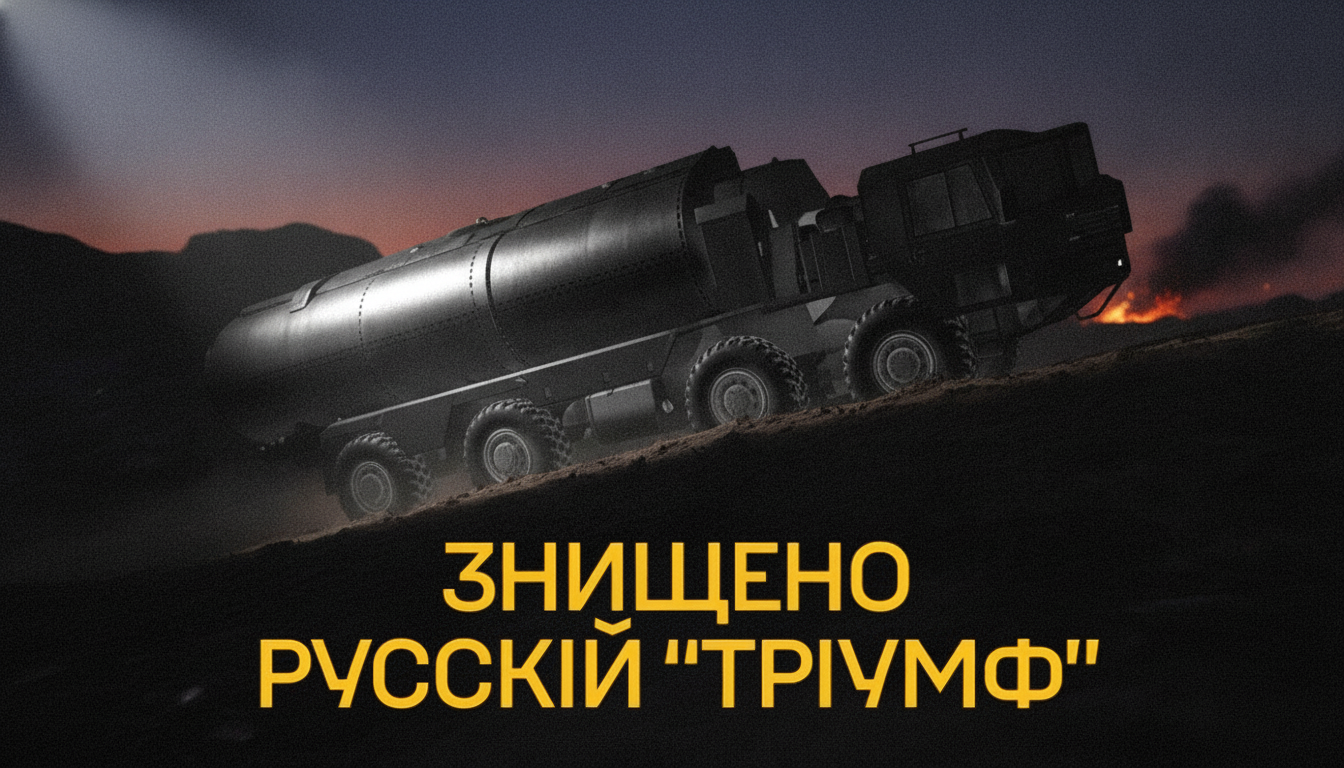
- Russian Losses Hit $650 Million After Ukraine's GUR Destroys S-400 Triumph in Crimea
- Russian Offensive on Kupiansk and Kharkiv Region Stalls as Vovchansk Remains Uncaptured
- Weekend Toll Hits 14 as Russian Forces Unleash Coordinated Strikes on Ukrainian Cities
- Overnight on July 27: Russia Unleashed 147 Drones on Ukraine, 123 Neutralized by Air Defense
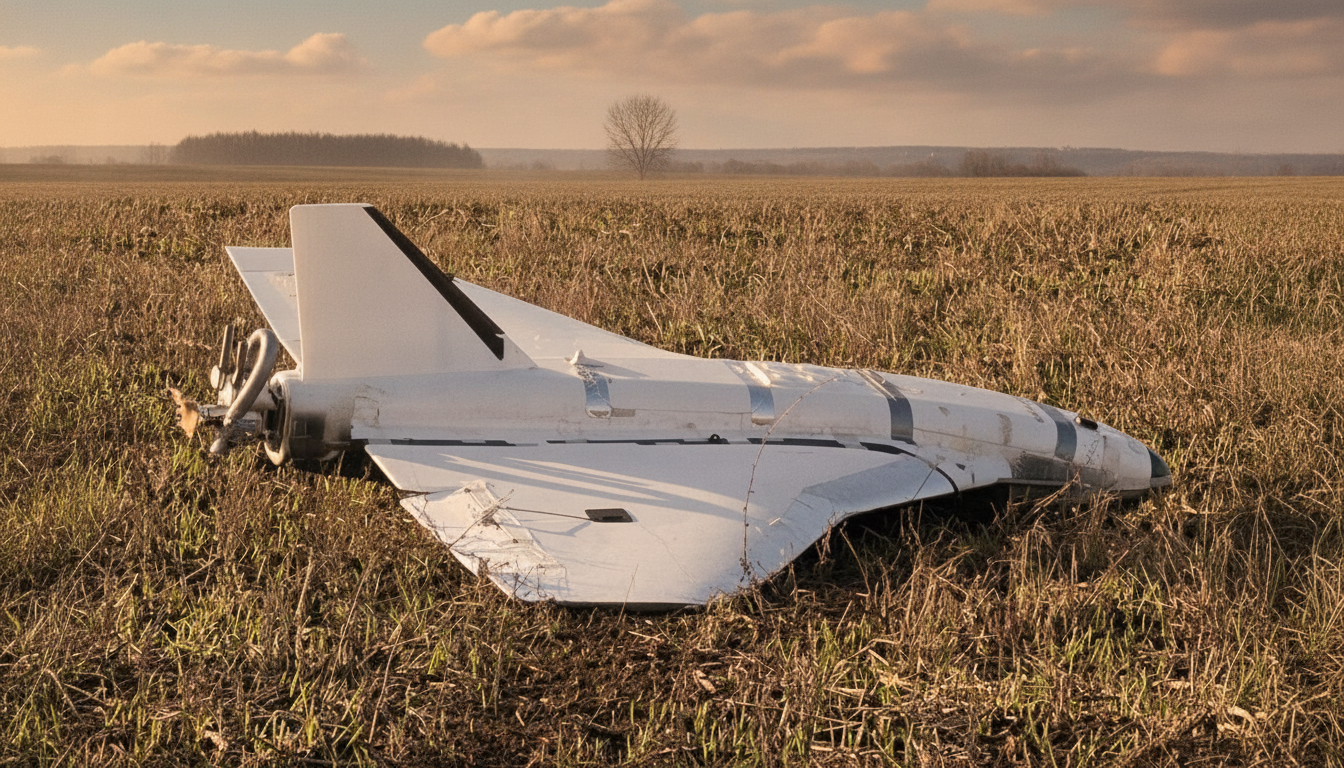
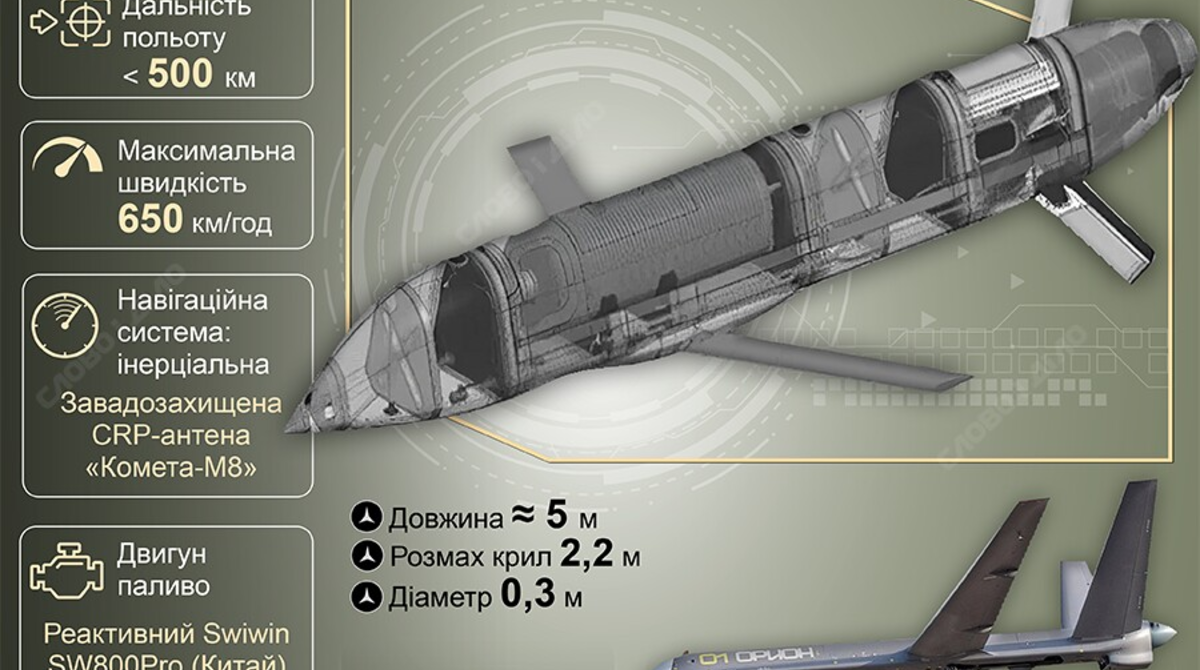
- Russia’s New ‘Banderol’ Cruise Missile Strikes Kharkiv and Odesa – Key Details