Why the Russia-Iran Strategic Pact Stops Short of a Military Alliance.

Strategic Cooperation Without Mutual Defense
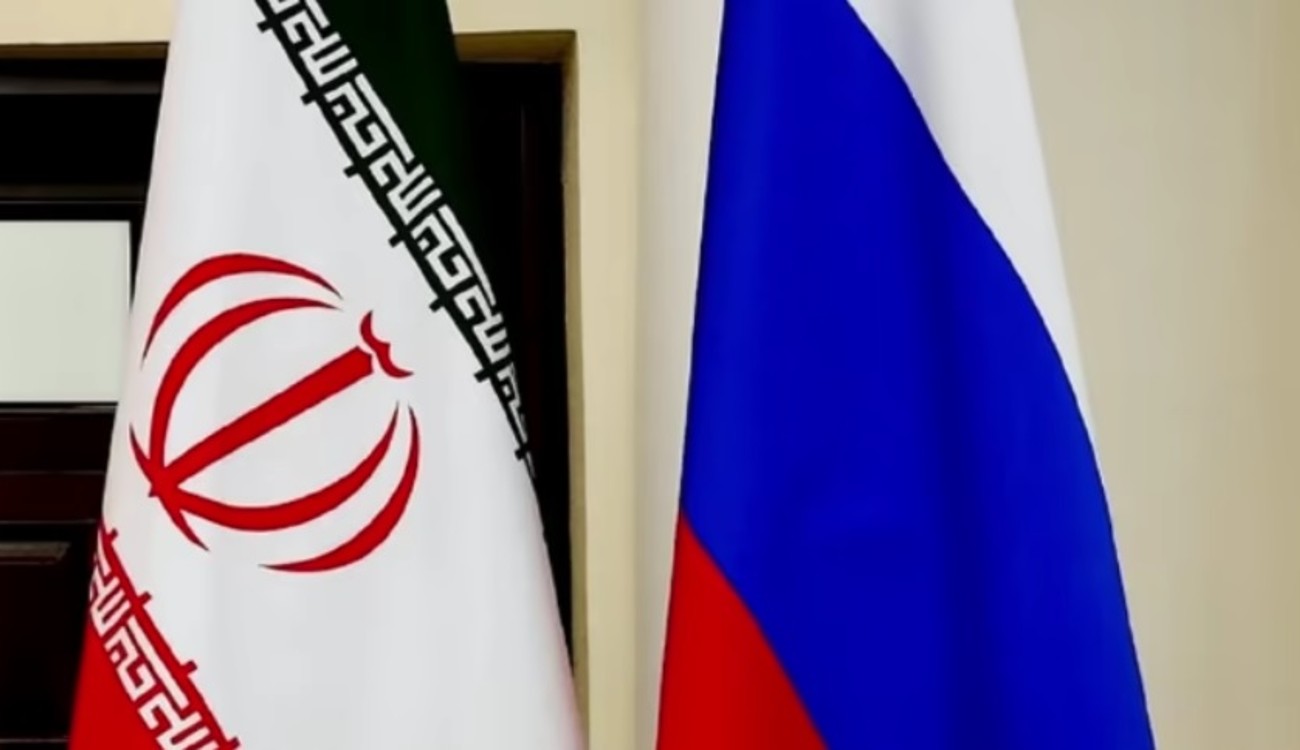
According to UATV: A new strategic cooperation agreement between Russia and Iran does not create a mutual defense pact, according to Iranian political analyst Amir Chakhaki in an interview with the FREEДOM TV channel. Chakhaki confirmed that the document contains no clauses obligating either nation to come to the other's aid if attacked by a third country.
"This is a contract, a genuine treaty. And it has no military component where the parties commit to defending each other from an attack by a third party," stated Amir Chakhaki.
Chakhaki further emphasized that the Kremlin could exploit international crises to advance its own political and military objectives. He suggested that
"if America feels more pain and gets drawn deeper into a war in the Middle East, it means the U.S. will be fighting more there."This points to a potential escalation of conflict in the Middle East should circumstances shift. This analysis comes amid heightened global tensions, where such partnerships are closely scrutinized for their military implications.
Potential Consequences of the Agreement
The analyst also pointed to the possibility of Russia sharing intelligence with Iran, which could influence both countries' strategies. "We know through various channels that Iran is receiving some data—where to strike, how to strike, which targets to choose," he added. In his remarks, Chakhaki also noted that history has shown "any dictator who relies on Putin ends up losing power." These words underscore the potential risks for Iran in its collaboration with a Russia that has assumed no formal military obligations under the pact.
Previously, military expert Mark Babot noted that if the regime in Tehran persists, the possibility of a new round of confrontation remains relevant. Thus, the situation in the Middle East continues to be tense, and the Russia-Iran agreement could have far-reaching consequences for the region.
This pact highlights the complex geopolitical dynamics at play, where both nations seek to advance their interests without committing to obligations that could lead to direct military conflict. The absence of mutual defense clauses may be a strategic move to avoid open confrontation, yet it simultaneously increases risks should the situation deteriorate. Observing future developments will indicate how effectively both countries can cooperate within an ever-changing international landscape.
Read also
- Latvia Bans Two Ukrainian Actors for Pro-Russia Propaganda: They Are Now Persona Non Grata
- New Anti-Russia Sanctions Advance in U.S. Congress: Inside the Daines Amendment
- Polish Support for Arming Ukraine Plunges, New Survey Reveals
- France and Germany Join Forces on New Missile Defense System: Key Details Revealed
- Zelenskyy's Decision on Syrskyi: Who Replaced Yermak in the Security Shuffle
- Zelenskyy to Declassify SBU and Intelligence Archives: Tusk Reacts Positively