The UK Economy Showed Zero Growth in July: What It Means.

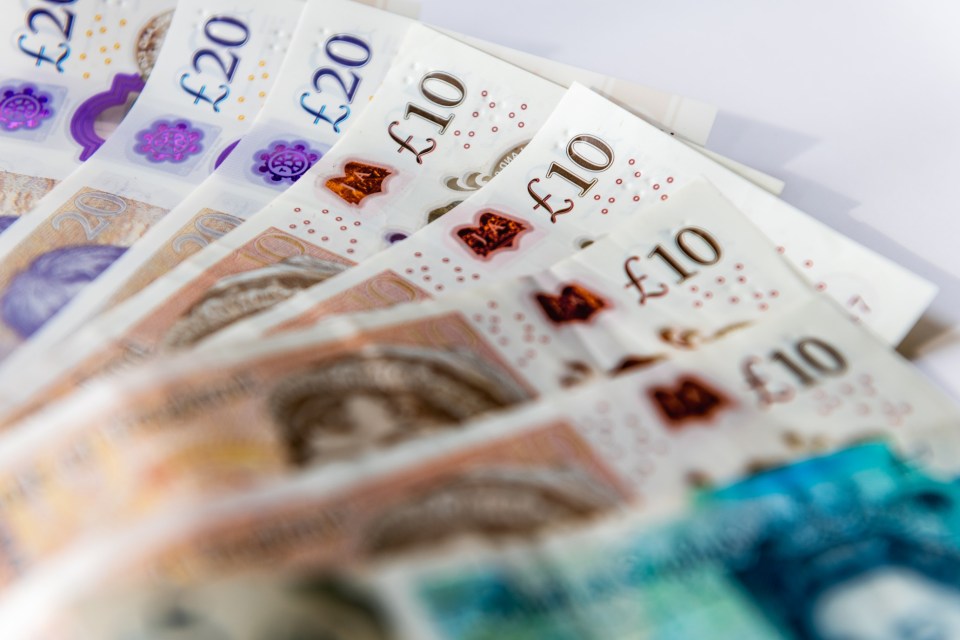
According to The Sun: The UK economy remained stagnant in August, which came as an unpleasant surprise for Rachel Reeves ahead of the autumn budget.
The latest data from the Office for National Statistics (ONS) shows that the Gross Domestic Product (GDP) did not change at the height of summer.
GDP data was released today, Friday, September 12This follows a rise of 0.4% in June and a decrease of 0.1% in May.
At the same time, the ONS noted that improvements in the services and construction sectors were offset by declines in industry in July.
GDP is one of the key indicators for assessing a country's economic activity. An increase in GDP indicates the health of the economy, while a decrease points to a recession.
Today's data also shows that real GDP rose by 0.2% over the three months to July, adjusted for inflation, illustrating the value of all goods and services produced by the economy during this period.
In the past month, real GDP increased by 0.3% between April and June.
Liz McKeon, ONS Director of Economic Statistics, noted: “In the last month, GDP showed no growth, with increases in the services and construction sectors offset by declines in industry.”
Analysts expected the monthly figure to be 0%. Year on year, the economy was expected to grow by 1.1%, up from 0.2% in June.
Next week, data on wages and inflation will also be published, which will catch the attention of the Bank of England ahead of its monetary policy meeting next Thursday.
Investors are closely monitoring the data, fearing that the Labour Government may face difficulties balancing the budget after unfavorable events in the bond market in recent weeks.
Chancellor Rachel Reeves is preparing to present the autumn budget on November 26.
In response to the latest GDP data, a Treasury representative noted: “We know we need to do more to stimulate growth.”
“This is the result of years of underinvestment, which we are striving to rectify through our reform plan.”
“We are making progress: growth this year was the fastest among G7 countries; since the elections, interest rates have been cut five times, and real wages have risen faster than under the previous government.”
“There is still much to do to build an economy that works and rewards workers.”
It is worth noting that these latest quarterly data are preliminary and may be revised later.
What This Means for Your Finances
GDP measures the economic output of companies, individuals, and governments. Steady GDP growth indicates a healthy economy, which usually leads to increased consumer spending, growing government taxes, and financial uplift for businesses, which in turn can lead to rising wages.
When GDP declines, it can negatively impact businesses and workers, threatening wage cuts or even job losses.
The Bank of England uses GDP and inflation data to determine the base rate, which affects borrowing and inflation control.
If GDP is lower, the Bank of England lowers the rate to stimulate spending and investment. Conversely, if GDP is rising, the regulator may keep the rate higher to control inflation.
What Is the Base Rate and How Does It Affect the Economy?
Nine members of the Bank of England's Monetary Policy Committee meet eight times a year to set the base rate.
Any change in the base rate can have far-reaching consequences, as it directly affects:
- The cost lenders charge people for loans.
- The interest rates on savings that banks pay to their customers.
When the Bank of England lowers interest rates, consumers typically increase their spending.
This can directly impact the GDP of the country and help pull the economy out of recession.
In such a case, the cost of loans is usually low, and first-time buyers and mortgage holders benefit the most.
But those with savings usually lose out.
On the other hand, when more consumers are borrowed to spend, demand tends to rise, and prices typically follow suit.
If inflation significantly rises, the Bank of England may increase interest rates to curb prices.
When the cost of loans rises, consumers and businesses have less money available to spend, which can reduce demand for goods and services and, accordingly, prices.
The Bank of England aims to keep inflation at 2%, and raising interest rates is one of the ways to achieve this goal.
In such a situation, those with debts typically lose out.
First-time buyers are hit by lower mortgage rates, and those with variable rates quickly respond to an increase in the base rate.
Those with fixed rates are usually safe if they fixed their rate when it was lower — but their bills can rise significantly when it's time to reapply for a mortgage.
The cost of loans through credits, credit cards, and overdrafts also increases when the base rate rises.
However, the benefit of this scenario is that those with savings can earn higher interest.
Banks typically compete by offering the best rates for savings when the base rate is high.
The absence of GDP growth in August indicates instability in the UK economy. In the event of a worsening situation, difficulties may arise for the government in budget planning and launching economic reforms. This underscores the importance of upcoming wage and inflation data, which may influence the Bank of England's decisions and the country's future financial policies.Read also
- Kyiv’s Winter Readiness Falls Short Compared to Kharkiv, Energy Expert Warns
- In Wake of Strike, Wildberries Eliminates 'All for SMO' Tag, Leaving Sellers Uncompensated
- The Hryvnia's Covert Origins: Inside 'Operation Shield of Ukraine' Prior to Independence
- Fire Point, a Ukrainian Manufacturer, Produces 200 Flamingo Missiles Monthly and Aims for Ballistic Capabilities
- Russia Weighs Seizing $40 Billion in Private Pension Funds to Finance Military Campaign
- As Russian Stocks Crash by Double Digits, the Wealthy Pivot to Crypto and Overseas Real Estate