Ukraine Leads Opening Ceremony Boycott of Paralympics Over Russian Participation.

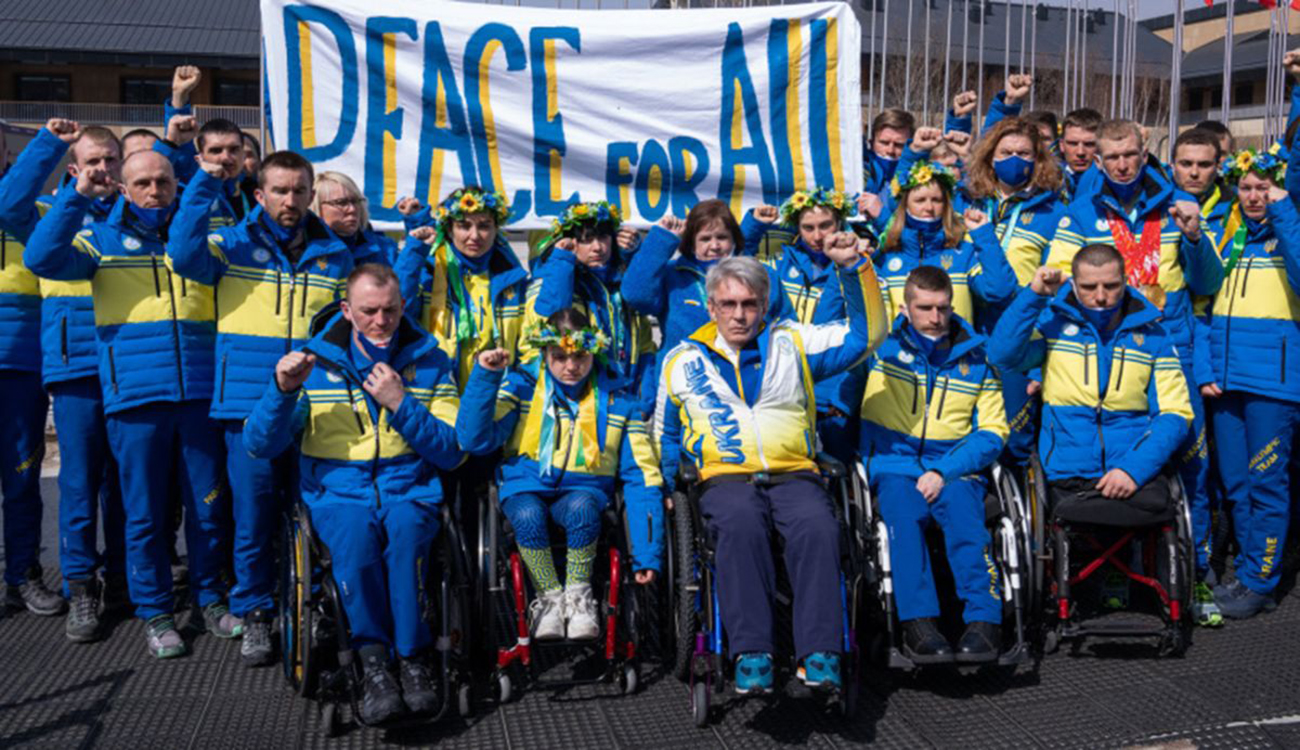
Winter Paralympic Games Opening Ceremony
According to UATV: The opening ceremony for the 2026 Winter Paralympic Games was held on March 6, 2026, at the Arena di Verona in Verona, Italy. The Games will run until March 15, 2026. The Ukrainian team refused to attend the ceremony in protest of the decision to allow Russian and Belarusian athletes to compete under their own national flags. The Ukrainian Paralympic Committee confirmed that 'the blue-and-yellow team will not be present in the Parade of Nations, nor in the participant country video segments broadcast during the opening ceremony.' This boycott reflects the ongoing geopolitical tensions that have extended into international sport.
Participating Nations and Competitions
This year's Paralympic Games are the largest in history, featuring 612 athletes from 56 countries. In total, 14 nations and the European Union declined to participate in the opening ceremony. Medals will be awarded across 79 events in six sports, showcasing a wide range of athletic disciplines for the competitors.
The main host cities for the competitions are Milan and Cortina d'Ampezzo. The Ukrainian team consists of 25 para-athletes and 10 guide athletes, highlighting their active participation in the Games themselves despite the ceremonial boycott. Among the other countries that also refused to attend the opening ceremony are:
- Poland
- Germany
- Czech Republic
- Netherlands
- Canada
- Finland
- Latvia
- Estonia
- Austria
- Romania
- Great Britain
The boycott of the Winter Paralympics opening ceremony by Ukraine and other nations underscores the significant political divisions that have emerged within the world of sports. This collective action emphasizes the importance many nations place on the issue of allowing athletes from countries engaged in war or with contentious international relations to compete. The participation of 612 athletes from 56 countries in the actual competitions demonstrates that, despite political crises, sport remains a vital platform for international integration and cooperation.
Read also
- Ukrainian Volleyball Star Dmytro Yanchuk Tops 2026 Nations League in Aces with 21
- Kevin Keegan, Two-Time Ballon d'Or Winner, Dies After Battle with Cancer
- Commander of the 107th Brigade Denys Perch Highlights Key Military Challenges: Infantry Shortages and Red Tape
- Ferran Torres’s lone goal secures Spain’s 2026 World Cup victory in New Jersey final
- Ferran Torres’ Extra-Time Strike Secures Spain’s Second World Cup Title
- England Crushes France 6–4: Saka's Hat-Trick and Bellingham's Historic Record