Ukraine may receive three types of missiles from South Korea in response to Russia's recruitment of "volunteers" from North Korea.

South Korea's intelligence confirmed the redeployment of troops from North Korea to Russia under the guise of "Buryats," and also disclosed transfer routes and information about the transportation used.
Currently, we are talking about a "batch" of 1,500 "bayonets," and overall it is planned to send at least 12,000 North Korean military personnel who will participate in the war on the side of the Russian army against Ukraine, reports Defence Express.
In this connection, the question arises as to which operational-tactical missiles should be requested from South Korea for the Armed Forces of Ukraine in order to effectively counter the North Korean contingent in Russia. At least three options of land-based complexes can be identified:
- KTSSM-II - South Korean analogue of ATACMS:
- Block I: range up to 180 km, warhead 500 kg (bunker busting)
- Block II: range up to 290 km, fragmentation warhead
- Operational-tactical ballistic missiles of the Hyunmoo-2 family:
- Hyunmoo-2A: range up to 300 km
- Hyunmoo-2B: range 500-800 km Characteristics: warhead mass - 997 kg, launch mass - 5.4 t, length - 12 m
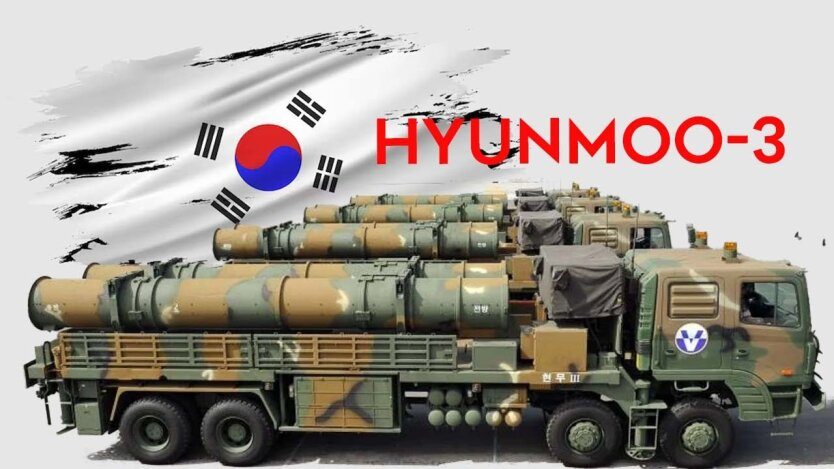
- Ground-launched cruise missiles Hyunmoo-3:
- Hyunmoo-3A: range up to 500 km
- Hyunmoo-3B: range up to 1000 km Both variants have a warhead mass of 500 kg
The exact number of KTSSM-II available to the South Korean army is not disclosed.
Let us recall that the US Congress demands a reaction to the involvement of North Korean troops in the war against Ukraine.
Read also
- New U.S. Tariffs Hit 60 Nations: Here Are the Rates for the EU and Russia
- Russia’s Oil and Gas Revenue Set to Surge by 60%—Here’s What’s Driving the Jump
- IMF Disburses $690 Million Second Tranche to Ukraine: Where the Funds Are Going
- Russia’s Budget Deficit Could Hit 7 Trillion Rubles—What Are the Default Risks?
- Expert Sets Critical Threshold: 60% of Russia's Oil Refining Capacity Must Be Destroyed
- Russia Faces Imminent Fuel Crisis: Why Refinery Recovery Is Nearly Impossible, Expert Warns