Expanding Ukraine’s Footprint in the Middle East: Countering the Russian-Iranian Threat.

Ukraine’s Growing Engagement in the Middle East
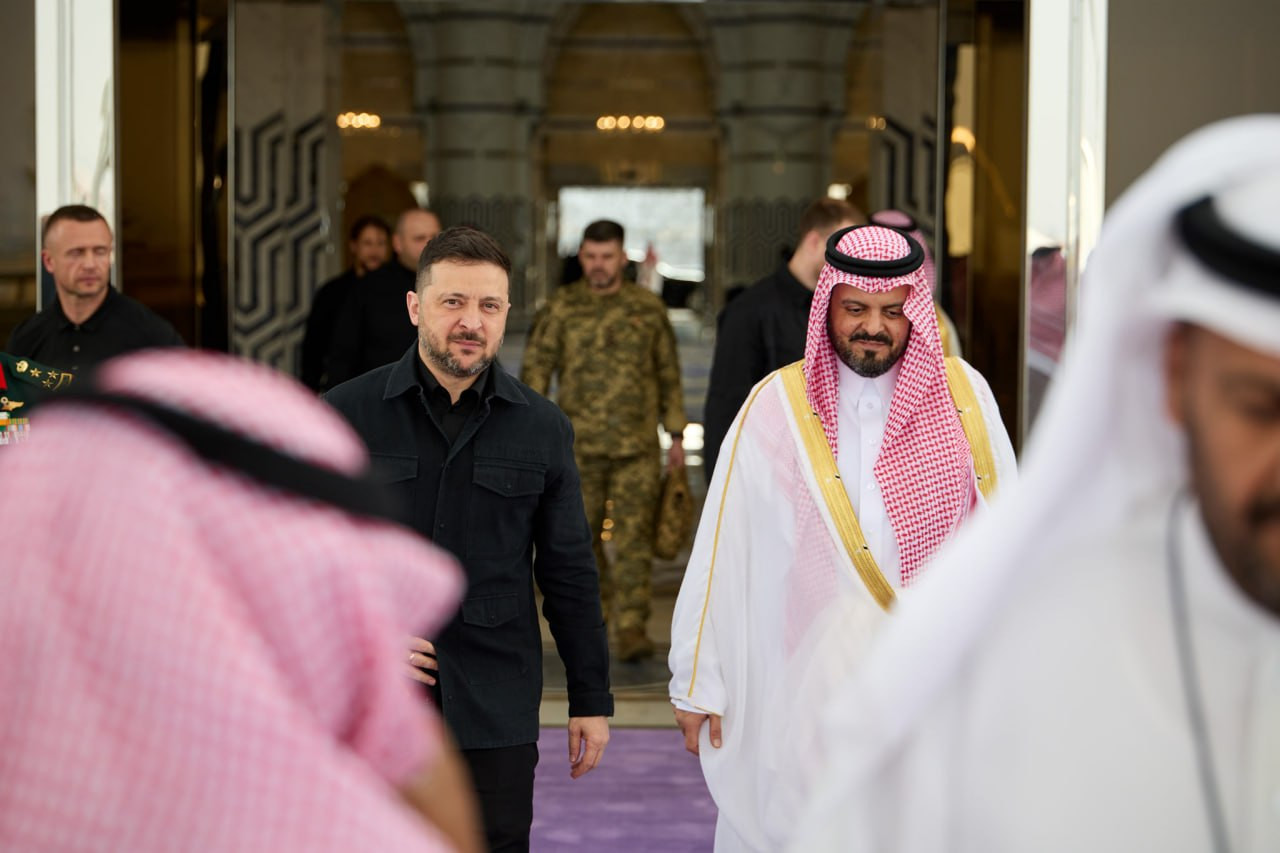
According to Espreso.tv: Ukraine is increasingly visible in the Middle East as part of its strategy to push back against the joint threat posed by Russia and Iran. This expanding engagement involves active cooperation with key regional players, including Saudi Arabia, the United Arab Emirates, Qatar, Turkey, and Syria. In March 2026, Ukrainian President Volodymyr Zelenskyy visited the UAE, Saudi Arabia, Qatar, and Jordan—a clear sign of these relationships’ rising importance. For an English-speaking audience, it is worth noting that this marks a significant shift in Ukraine’s foreign policy priorities beyond its traditional focus on Europe and the West.
Notably, within two weeks of the war’s onset, Ukraine dispatched over 200 air defense specialists to Qatar, the UAE, and Saudi Arabia. This early move demonstrated Kyiv’s readiness to support its regional partners, especially in light of Iranian attacks on Gulf states during March and April 2026. Additionally, in March 2026, Ukrainian military experts were deployed to a U.S. base in Jordan, underscoring Ukraine’s active role in promoting regional stability.
Diplomatic Visits and International Cooperation
Zelenskyy’s trip to Turkey and Syria in April 2026 wrapped up a series of regional meetings, highlighting the importance of sustained dialogue between Ukraine and these nations. However, earlier in March 2026, U.S. President Donald Trump dismissed the need for Ukrainian assistance in countering aerial threats, pointing to potential friction in international collaboration. In May 2026, Greek authorities reported the discovery of a Ukrainian unmanned maritime vehicle carrying explosives—an incident possibly linked to the escalating security situation in the region.
Expert Heorhii Poroskun emphasized that Ukraine must 'reduce unnecessary friction and make the most of its relevant experience in areas where it can add value.'
This underscores the need for a strategic approach to Middle Eastern partnerships—one that could prove crucial in enhancing Ukraine’s ability to disrupt Russian naval logistics.
In sum, Ukraine’s stepped-up cooperation with Middle Eastern nations reflects Kyiv’s ambition to bolster its global security standing, particularly in countering threats from Russia and Iran. This trend also mirrors a broader realignment of international alliances in response to today’s complex security challenges.
Read also
- Iran Crisis Deepens: Why a Military Solution Is Inevitable, According to an Expert
- Why Rubio’s Call to Protect Shipping in the Strait of Hormuz Matters for Global Security
- Economics and Security Top the Agenda in Burnham-Trump Call
- Zelenskyy Welcomes UK’s New Prime Minister: Who Is Andy Burnham?
- UK’s New PM Andy Burnham Pledges Ukraine Support in First Call with Zelensky
- Zelenskyy Meets Corps Commanders: What’s Changing for Ukraine’s Military Supply Lines