Ukraine Submits Evidence to ICC Detailing Russia's Sustained Assault on Energy Infrastructure.

Evidence Submitted to the International Criminal Court
According to Novyny.live: Ukraine has formally submitted evidence to the Office of the Prosecutor of the International Criminal Court (ICC) documenting a sustained Russian campaign of attacks on its energy infrastructure. The documented strikes occurred from July 2025 through February 2026. Prosecutor General Ruslan Kravchenko stated that the intensity of these attacks surpassed all previous years, resulting in the deaths of 11 civilians and injuries to 68 others. This submission is part of Ukraine's broader legal strategy to hold Russia accountable for alleged war crimes.
A detailed chronology of the attacks shows they systematically targeted Ukraine's energy grid throughout this period, causing severe strain on the national power system. Ruslan Kravchenko emphasized that
“the scale and frequency of the Russian strikes exceeded all previous years”. The entire technological chain of the energy system was affected, significantly complicating recovery efforts.
Impact and Consequences
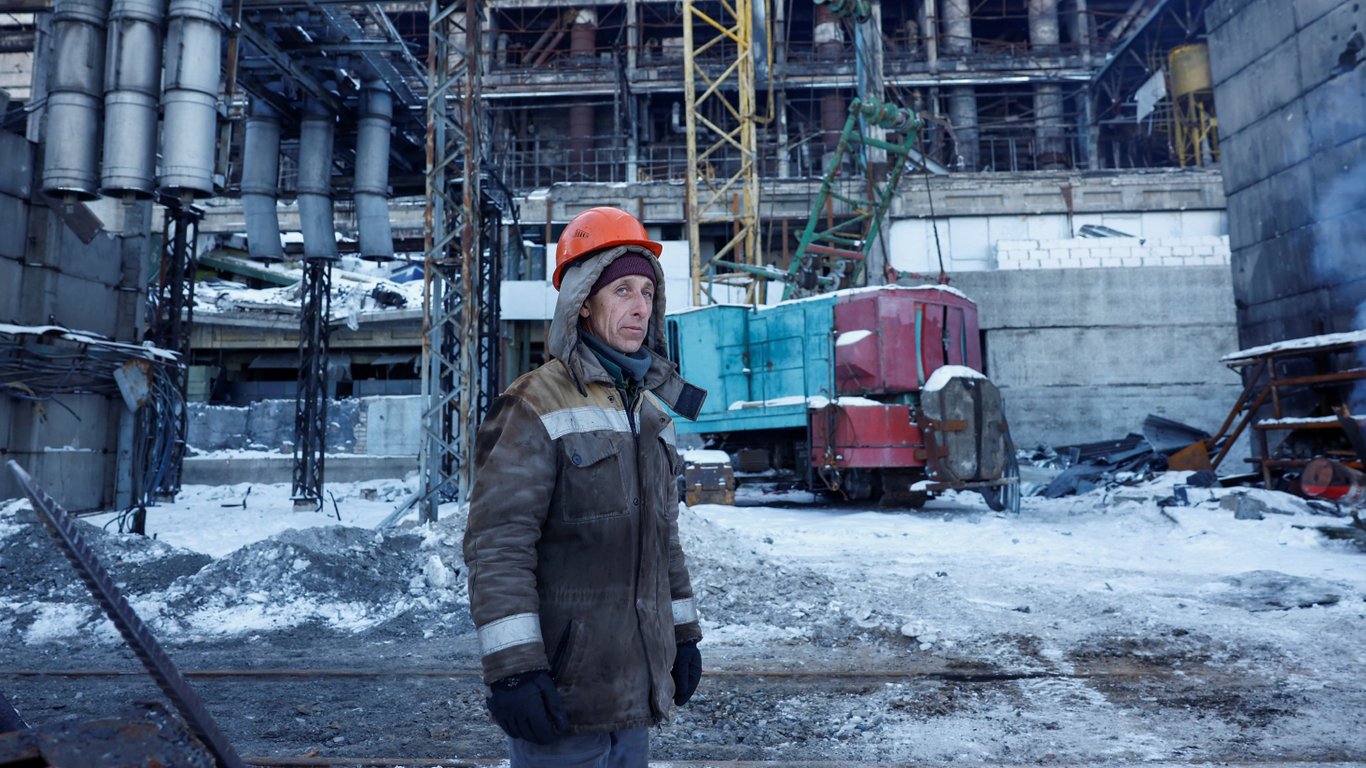
The consequences of the bombardment have been severe. The reconstruction of the Darnytsia Thermal Power Plant alone is estimated to cost at least 600-700 million euros. To date, the ICC Prosecutor's Office has received over 110,000 reports of crimes allegedly committed by Russia. Ruslan Kravchenko further noted that
“these attacks provided no military advantage and could not have done so”, indicating that despite the massive destruction, the strikes yielded no strategic benefit for the aggressor.
The submitted materials present evidence of serious violations of international humanitarian law by the Russian Federation, warranting further investigation and a decisive international response. This legal action underscores the devastating impact of the war on civilian infrastructure, which has left millions vulnerable during harsh winters.
Providing this evidence to the ICC is a critical step in formally documenting the consequences of Russia's aggression against Ukraine. It establishes a foundation for potential future legal actions aimed at holding perpetrators accountable. Furthermore, it may galvanize the international community to increase support for Ukraine's energy sector, given the critical nature of the situation.
Read also
- U.S. Probes Alleged Russian Aid to Iran in Attacks on CIA Facilities
- What Russia's Sabotage Units Are Really After in Northern Ukraine: Bratchuk Reveals the Enemy's Key Objective
- Rubio Reports Weekly Russian Losses: 5,000–6,000 Killed and Wounded
- 26 NATO Members Join PURL Initiative, Raising $6.7 Billion for Ukraine's Armed Forces
- Ukrainian Forces Strike Black Sea Tanker and Donetsk Crossing in Coordinated Attack
- Ukrainian Border Guards Destroy $50 Million Russian Buk-M3 System in Donetsk Region