Ukrainians Face Widespread Rejection When Exchanging Older U.S. Dollar Bills: Here’s the NBU’s Stance.

Challenges with Exchanging Older Dollar Notes
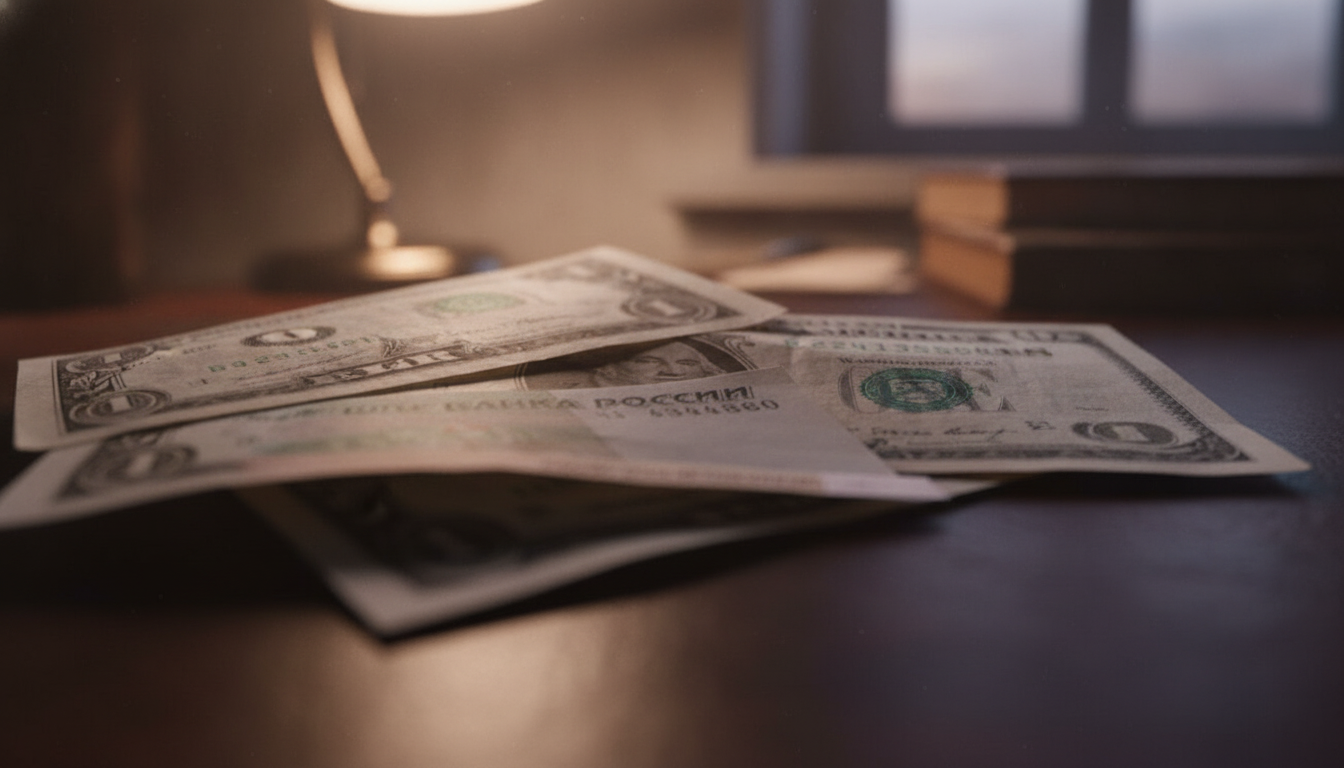
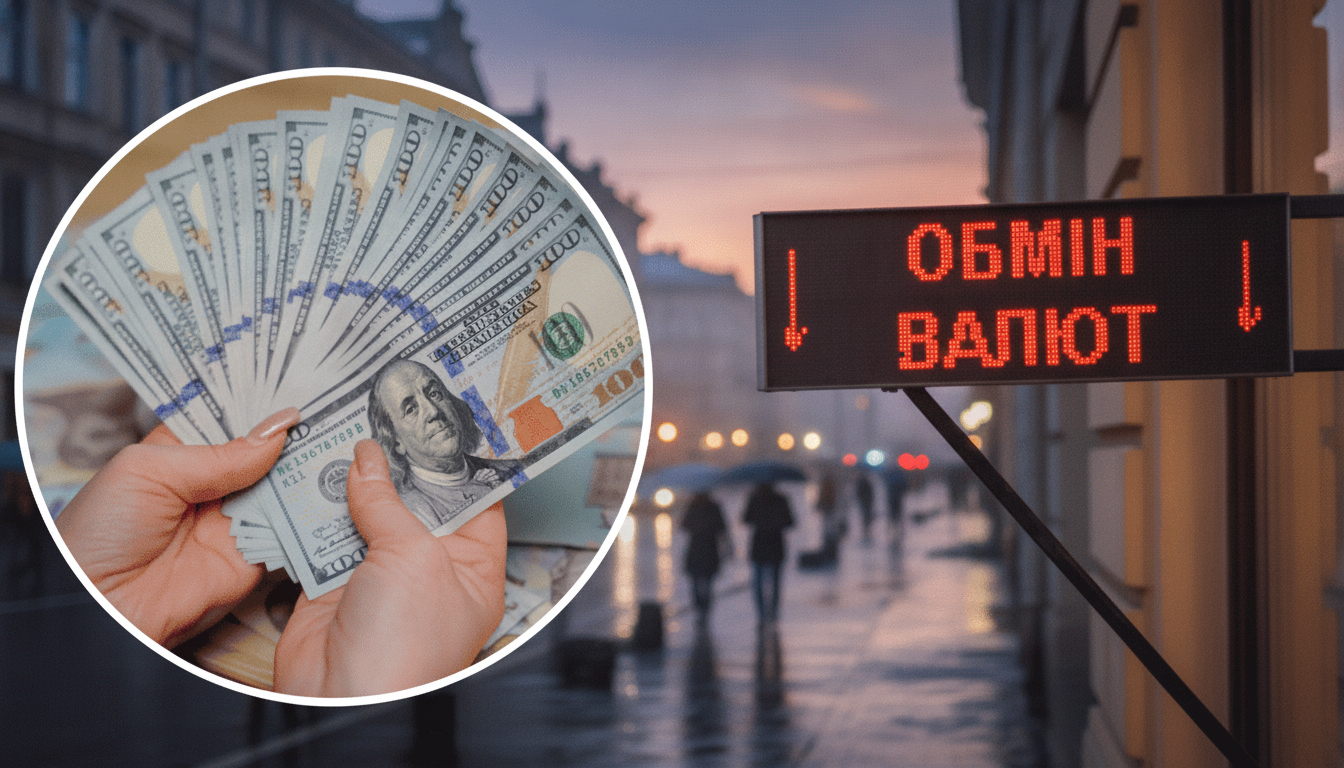
According to Novyny.live: Across Ukraine, financial institutions are increasingly reluctant to accept U.S. dollar bills issued between 1996 and 2006, despite legal requirements mandating unrestricted exchanges. This has sparked concern among citizens trying to swap their older currency for newer notes. The issue affects many who hold these older series and seek to convert them without hassle.
The National Bank of Ukraine (NBU) has explicitly stated that it prohibits any restrictions on currency exchanges based on design, denomination, or year of issuance. Under current law, banks and exchange offices may only refuse service if notes are heavily worn or suspected to be counterfeit. Bills with minor damage must be exchanged under standard conditions. Yet, numerous Ukrainians report encountering obstacles when attempting to exchange their older dollars.
When there are suspicions that exchange points are not following the rules, the regulatory authority has the right to launch inspections of their operations. This can lead to punitive measures against any financial institution found violating currency exchange regulations.
What Ukrainians Can Do If Their Rights Are Violated
If someone is denied an exchange of older dollar bills, they are advised to file a complaint with the management of the financial institution or directly with the National Bank of Ukraine. Knowing one’s rights and demanding compliance with the law is crucial in such situations.
'The NBU has not adopted any regulatory acts that prohibit conducting foreign currency exchange operations, including the exchange of U.S. dollars from the 1996 series or those issued earlier.' National Bank of Ukraine
Additional Information for Ukrainians
Ukrainians should be fully aware of their rights when exchanging currency. Possessing older dollar notes should not be an obstacle to exchanging them, as long as the bills are free of major defects. It is important for citizens to confidently assert their interests at financial institutions and to contact the relevant authorities if problems arise. This helps ensure that the law is followed and that consumer rights in currency exchange transactions are protected.
The ongoing difficulties with exchanging older U.S. dollars in Ukraine highlight the critical need for strict adherence to legal standards and consumer protections in the financial sector. Despite clear directives from the National Bank, the real-world experience at many exchange points reveals a lack of proper oversight, which negatively impacts ordinary people. Reaching out to regulatory bodies can be an essential step in defending one's rights and improving conditions in the currency exchange market.
Read also
- Russian Billionaire Andrey Melnichenko Shares His Vision for Russia’s Post-War Future
- Fuel Crisis in Russia Exposed by Intelligence: Gasoline Prices Surge by a Third
- Global Fuel Markets Shaken as Ukrainian Drones Undermine Russian Control
- Russian Business Owners Are Moving Billions Abroad Amid Fears of Asset Seizure and Forced War Funding
- Former Minister Sobolev Takes on New Role in the President’s Office: What He Will Be Working On
- India Becomes Fuel Supplier to Russia as Diesel Shortage Bites