Ukrainian Refugees in Germany Face Fines Over Vehicle Registration Rules.

Latest Updates for Ukrainian Refugees in Europe
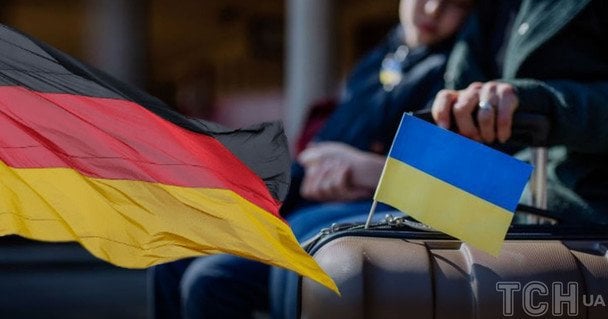
According to TSN.ua: Ukrainian refugees in Germany are now at risk of fines for continuing to drive cars with Ukrainian license plates after a one-year grace period has ended. This period began counting from the date of their first entry into Germany or when they were granted temporary protected status. With this exemption now over, any vehicle that has been in the country for more than 12 months must be re-registered under German law. This change is part of a broader adjustment of policies across Europe as host nations adapt to the long-term presence of displaced Ukrainians.
Drivers who fail to comply and use unregistered vehicles could face fines ranging from 70 to 105 euros. The re-registration process requires passing a technical inspection, obtaining German insurance, and formally registering the vehicle to meet all local legal requirements.
Policy Shifts in Other Nations
Meanwhile, Ukrainian refugees in the United Kingdom have been granted more time to extend their visas. The deadline for submitting visa extension applications has been extended from 28 to 90 days, a move intended to simplify the process for those seeking to remain legally.
In Poland, significant changes are also scheduled: new rules limiting access to free healthcare for Ukrainians with UKR status will take effect on March 5, 2026. This impending shift has raised concerns within the refugee community about maintaining essential medical services.
- Tightening of migration rules in Germany.
- Potential return of Ukrainian men of conscription age to Ukraine.
Furthermore, Germany's CSU party is advocating for stricter migration policies, which include proposals to send Ukrainian men back to Ukraine. These potential measures could significantly impact refugees seeking safety and stability.
The evolving regulations in Germany, the UK, and Poland reflect a period of adjustment as host countries respond to the realities of long-term displacement. While some nations are tightening requirements, others are attempting to streamline processes to offer support. This highlights the complex balancing act between integration policies and the ongoing need to provide sanctuary for those fleeing conflict.
Read also
- Over 5.7 Million Ukrainians Have Fled Abroad, Lubinets Reveals Alarming Statistics
- Hungary Shuts Door on Foreign Workers: New Government Abolishes Fast-Track Visa System
- Hungary Imposes First-Ever Limits on Foreign Worker Hiring, Targeting the Philippines, Georgia, and Armenia
- Easier Path Home for Ukrainians Without Passports: New Policy for Those Born in Occupied Areas
- EU Ministers Weigh Restrictions on Temporary Protection for Ukrainian Men
- EU Extends Temporary Protection for Ukrainians Until 2028: Exceptions Apply