The Russian government has fallen into an inflationary spiral — expert.
02.10.2024
2836

Journalist
Shostal Oleksandr
02.10.2024
2836
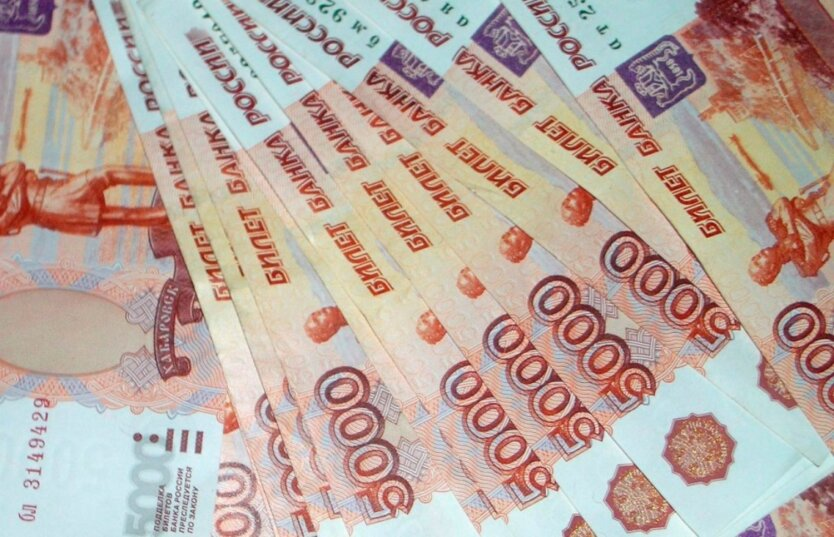
The Russian government has fallen into an inflationary spiral: the more money is spent on expenses that do not saturate the market with goods, the more prices rise. This was stated by Russian economic observer Maxim Blunt.
"The government has simply fallen into an inflationary spiral: the more money it spends on those expense items that do not saturate the market with consumer goods, the more prices rise, and the more it has to spend this money. Now, if previously your metallurgical plant produced special steel for weapons manufacturing, as well as products used to make pots, pans, and roofing iron, now this plant is exclusively focused on special steel, and roofing iron with pots have to be purchased from China. Accordingly, prices rise, the consumer market is not saturated, more has to be paid to workers, but there is no benefit from this,"he said.
Blunt also stressed that the inflationary spiral affects the budget so much that when planning for next year, the figures may be irrelevant.
"Just like with the current year's budget. In 2025, it was planned that military spending would decrease, but in reality, they are increasing. 30% and 41% of all budget expenditures go to war and national security,"the economic observer explained.
According to him, the efficiency of Russian military expenditures is decreasing, leading to stagnation in the Russian economy.
"Therefore, there is no longer any doubt that this will continue until the end of the war or the end of the Putin regime. Citizens are paying an inflationary tax, and businesses will be paying more taxes, which negatively affects the efficiency of their work and the production of goods for the population. The number of people who support and sustain this system is decreasing, while the number of people who benefit from it is increasing,"said Blunt.
According to the expert, the Russian economy is approaching stagflation, which is already beginning to materialize.
"Stagflation is negative because any actions by the government or the Central Bank lead to stronger negative consequences than positive ones. Fiscal stimulus, for example, leads to increased inflation. Production begins to decline if the interest rate is raised to reduce inflation. The effectiveness of such measures is limited,"Blunt said.
Read also
- Stone Cloak Tech for Drones: UK Supplies Ukraine with Countermeasure Against Russian Air Defenses
- Washington Hosts Zelenskyy for Trump Meeting – Full Details on the Visit
- Iran's Alleged Strike Preparations on Ukraine Lack Official Evidence, Diplomacy Center Director States
- Telegram-Recruited Ukrainian Woman Gets 15 Years in Prison for Terror Plot
- Post-Election Martial Law in Russia: What Restrictions Could Follow?
- For 2027, Ukraine's Cabinet Outlines Budget Draft with Emphasis on Defense and Foreign Commitments