Ukraine Revises Medical Worker Deferment Policy: Key Changes and Impacts.

A New System for Releasing Medical Staff from Military Deferment
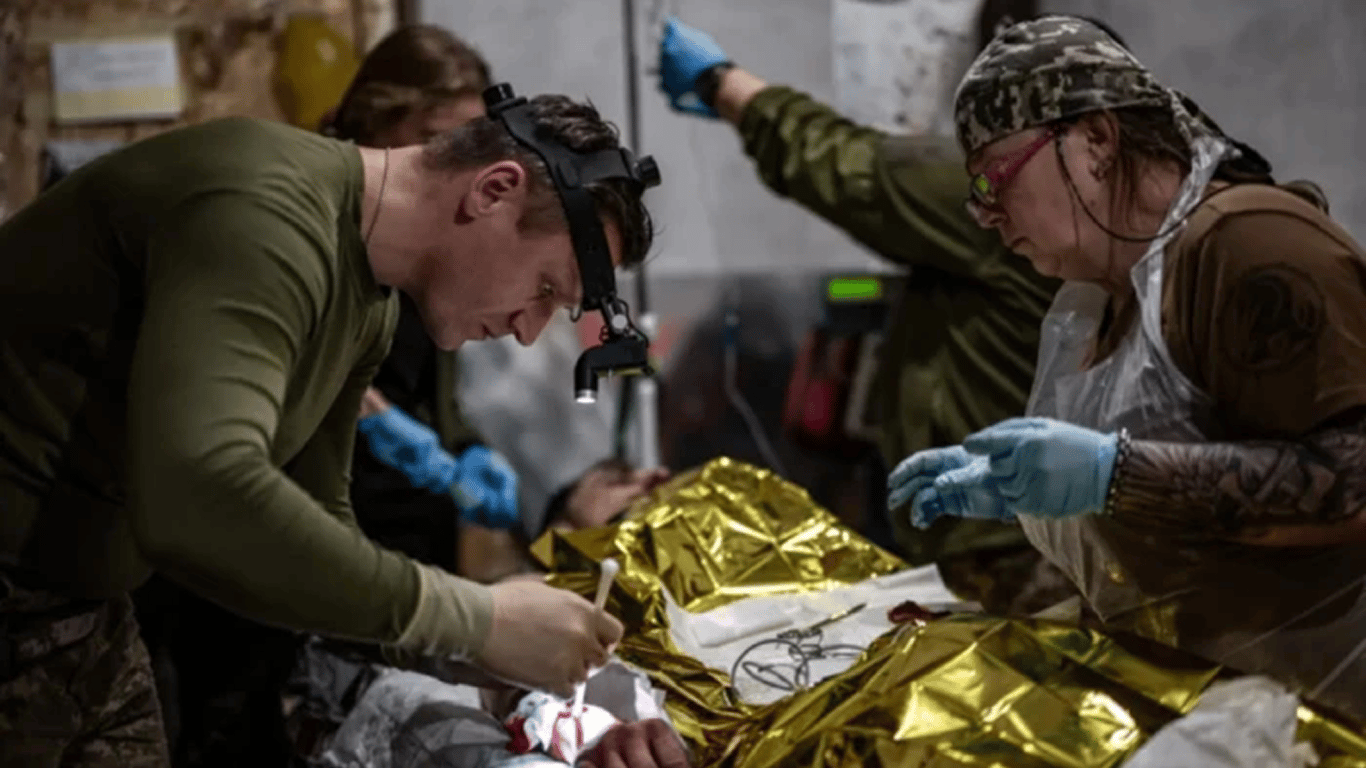
According to Novyny.live: The Ukrainian government has implemented a new mechanism to release medical workers from military service deferment, aiming to meet the armed forces' needs, specifically to staff medical units within the Ukrainian Armed Forces. This move is particularly critical given that 75% of wounded servicemen receive treatment in civilian healthcare facilities, highlighting the strain on the system.
In January 2025, the government initially mandated a 100% deferment for medical staff at state and municipal institutions. This decision formed the basis for subsequent adjustments to the deferment mechanism later that year. By April 2025, the Ministry of Defence had formally requested the Ministry of Health to begin releasing some medical personnel, underscoring the military's urgent need for these skilled professionals.
Procedure for Releasing Medical Personnel
The process for releasing medical workers from deferment is initiated by requests from the Ministry of Defence and the Medical Forces Command. Changes to the law 'On Military Duty and Military Service,' which regulate this procedure, came into force on January 1, 2026. A key provision ensures that mandatory reserve officer training for doctors and pharmacists will be conducted through educational institutions. This is designed to enhance the qualifications of medical personnel who may be called upon to serve in military settings.
Consequently, the government's new policies on medical deferments are intended not only to help fully staff military medical units but also to ensure proper training for healthcare workers tasked with duties in the defense sector.
The introduction of this new mechanism for releasing medical workers in Ukraine is a crucial step toward ensuring effective medical aid for servicemen. - Ministry of Health of Ukraine
Amid the ongoing conflict, the issue of medical support has become especially urgent, emphasizing the need for synergy between civilian and military healthcare institutions. The continued development of this initiative could significantly impact the army's capacity to provide timely, high-quality medical care, which is critically important in modern combat conditions. These reforms reflect the difficult balance between maintaining a robust civilian health system and meeting frontline military needs.
Read also
- Shingles Vaccine Linked to 20% Lower Dementia Risk: Four Pillars of Longevity
- Deadline June 30: What Happens to Ukraine’s 2000 Hryvnia Health Screening Payouts
- Medication Shortage in Ukraine Forces Cancer and Epilepsy Patients to Seek Treatment Abroad
- Cancer and epilepsy patients in Ukraine cut off from life-saving medications
- 20% Cashback for Moms and Kids at Pharmacy 9-1-1: Steps to Claim Your Bonuses
- Beating the Heat in Ukraine: A Doctor’s Guide to Hydration and the Best Clothing Choices