Odesa Minibus Fares Jump to 25 Hryvnias: What’s Behind the Surge.

Fare Hike Takes Effect
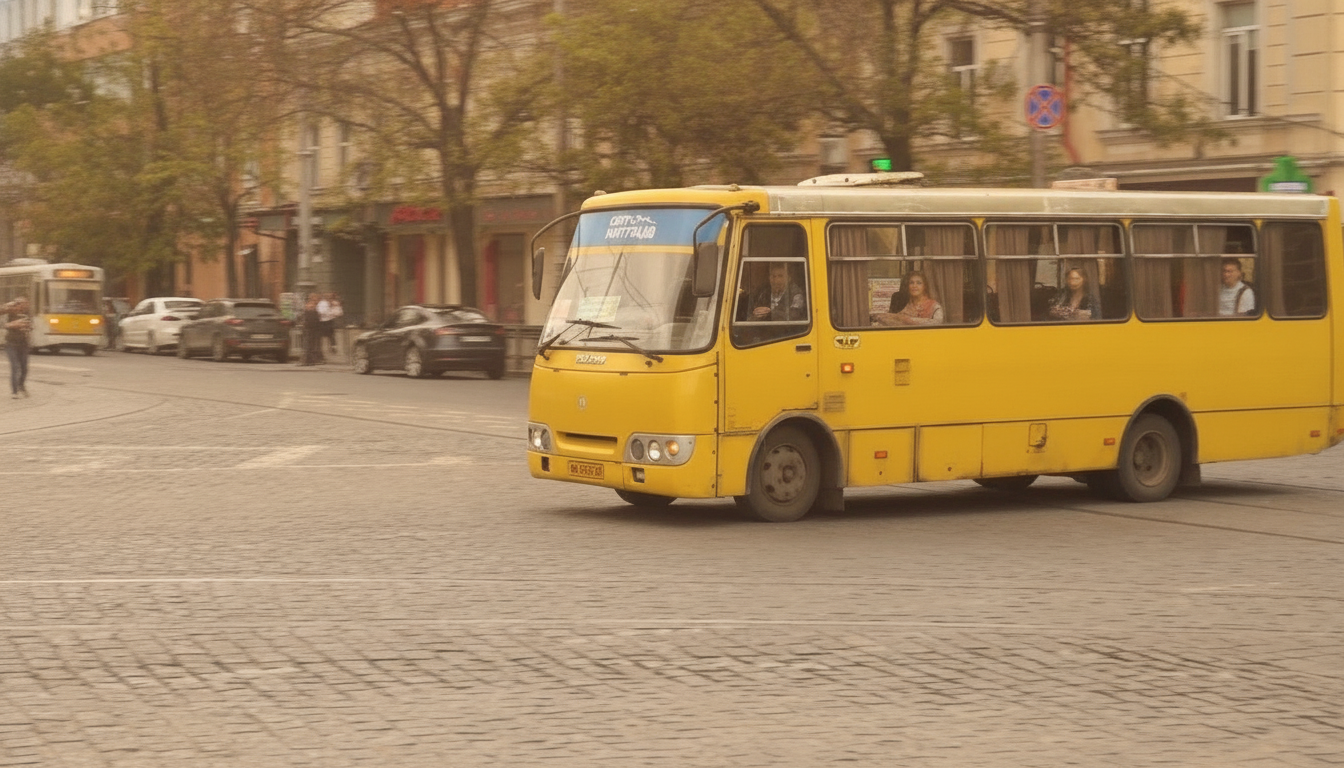
According to Novyny.live: Starting June 27, 2023, the cost of riding city minibuses in Odesa rose to 25 hryvnias per trip. The increase was driven by rising fuel prices and higher vehicle maintenance expenses. Previously, the fare stood at 20 hryvnias, but recent shifts in the fuel market prompted the tariff adjustment. This change comes as Ukraine continues to grapple with broader economic pressures affecting everyday costs.
Fuel prices have climbed significantly since December 2024, which officials cite as the primary factor behind the fare increase. Local residents have shared mixed reactions to the new rates.
“Since fuel went up, it’s only natural that prices are rising too,” said Alla, a city resident.Many understand the reasoning behind the change. “I get why fares are going up—higher prices for everything else inevitably make minibus travel more expensive,” added Serhiy.
Minibus Conditions
The fare increase has sparked varied responses among Odesa’s residents. Some view it as a negative development, especially for those with limited incomes.
“I feel negative about it, but what can you do? Especially for pensioners,” commented Iryna.Others acknowledge that, given the spike in fuel and service costs, the decision is logical. “It all makes sense: prices are rising, fuel is going up, but of course, in these tough times, it’ll be hard for people,” emphasized Oksana.
Walking as an Alternative
In response, some residents are already exploring other ways to get around. “At my age, walking is good for me. I’ve already decided on that, because minibuses have gotten too expensive,” said Tetiana. With higher fares, citizens are seeking new ways to save money, which could reshape the demand for public transport in Odesa and potentially alter the city’s transit landscape.
Ultimately, the rise in Odesa’s transport fares reflects broader economic shifts affecting all aspects of life, and locals are feeling the pinch. This tariff adjustment signals wider trends in the economy that may impact people’s mobility and financial flexibility. In response, residents are adapting by choosing alternative modes of travel, a shift that could reduce minibus demand and transform the city’s transportation dynamics.
Read also
- Russia’s Oil and Gas Revenue Set to Surge by 60%—Here’s What’s Driving the Jump
- IMF Disburses $690 Million Second Tranche to Ukraine: Where the Funds Are Going
- Russia’s Budget Deficit Could Hit 7 Trillion Rubles—What Are the Default Risks?
- Expert Sets Critical Threshold: 60% of Russia's Oil Refining Capacity Must Be Destroyed
- Russia Faces Imminent Fuel Crisis: Why Refinery Recovery Is Nearly Impossible, Expert Warns
- Economist identifies Russia's point of no return: why it can never reclaim its place among global economic leaders