The government introduces a tax on OLX: who will pay 10% on sales from 2026.


According to inkorr.com: The Cabinet of Ministers of Ukraine has approved a draft law introducing a 10% tax on every sale of goods or services through online platforms. This law has already received the unofficial name 'tax on OLX' and will come into effect from 2026, which will affect millions of Ukrainians. This was reported by RBK-Ukraine.
The tax service will have access to the sales of Ukrainians on OLX and Rozetka
Draft law No. 14025 amends the Tax Code, granting tax authorities access to bank data for greater control.
If the law is passed by the Verkhovna Rada (experts are confident of this), platforms such as OLX, Rozetka, or Upwork will be required to report the income of their users. Platform operators will transmit data to the State Tax Service, which may lead to increased commissions on these services.
“Tax on OLX”: experts' opinion
This initiative is driven by Ukraine’s commitments to the EU and the IMF, outlined in a memorandum. The budget for 2026 already includes 14 billion hryvnias in revenues from this tax, making its approval seem inevitable. Deputy Director of the National Institute for Strategic Studies Yaroslav Zhaliil explains:
“The draft law will primarily affect entrepreneurs who have used online platforms to optimize their tax burden. This may lead to an increase in prices for goods and services sold through such platforms.”
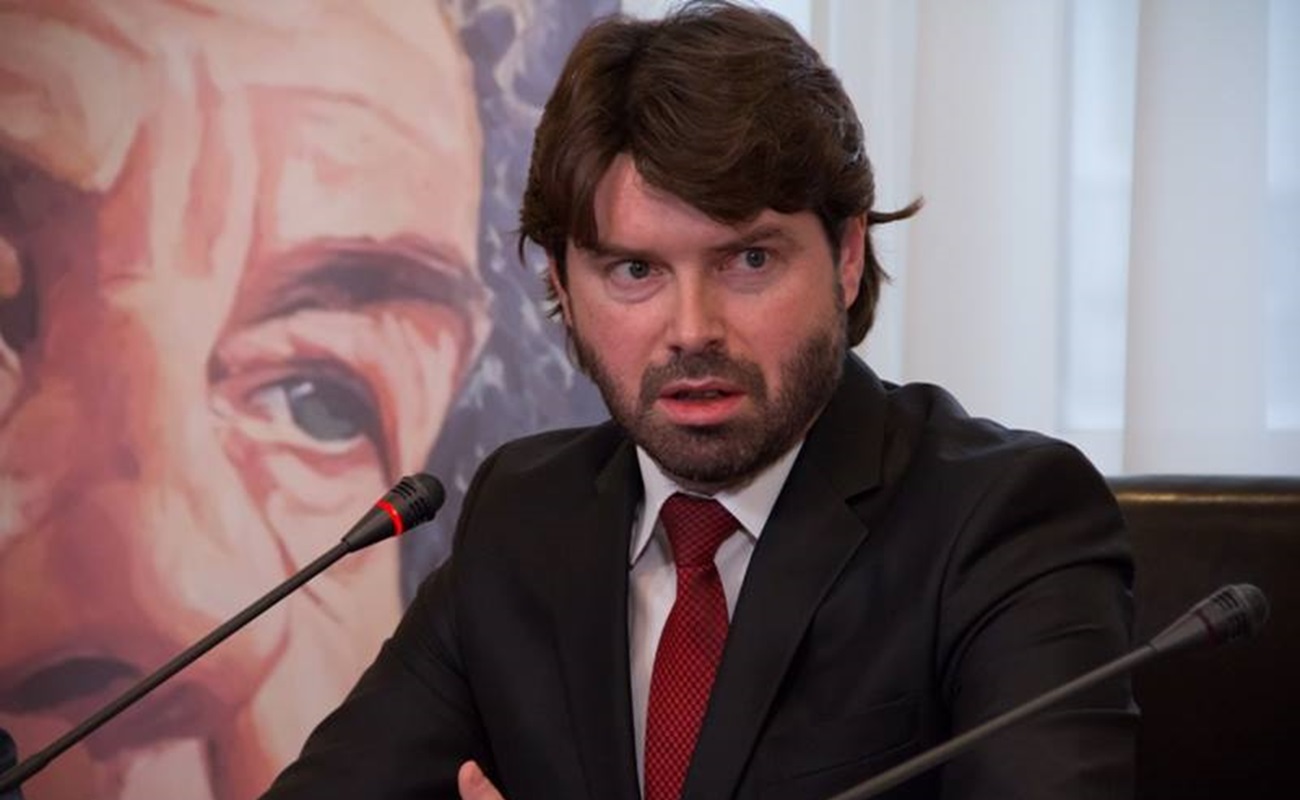
Managing partner of the EvrikaLaw law firm Andriy Shabelnykov notes:
“It is obvious that this will lead to increased commissions on platforms that fall under the new law.”
Experts emphasize that the goal of the initiative is to bring online trading out of the shadows, which amounts to billions of hryvnias each year. However, for ordinary Ukrainians, this will mean new expenses: from selling used items on OLX to freelancing on Upwork.
Who will pay the “tax on OLX”
The new tax will affect every citizen over 18 who sells goods or services through digital platforms. Here are a few key examples:
- Sale of goods on OLX or Rozetka;
- Renting out real estate or cars through Airbnb, Booking.com, or BlaBlaCar;
- Providing services on Uklon, Bolt, Kabanchik, or Upwork.
At the same time, the tax will bypass intermediaries: payment systems such as LiqPay or WayForPay, advertising services, and software developers will remain out of control. This will allow avoiding double taxation, but will focus attention on the end sellers.
Similar rules have been in place in the EU since 2021, where platforms automatically withhold taxes. In Ukraine, online trading has grown by 30% over the year due to the war and digitalization of business, but the shadow sector lost the ability to be taxed. Now the government aims to close this gap to replenish the budget for defense and social needs.
Read also
- New U.S. Tariffs Hit 60 Nations: Here Are the Rates for the EU and Russia
- Russia’s Oil and Gas Revenue Set to Surge by 60%—Here’s What’s Driving the Jump
- IMF Disburses $690 Million Second Tranche to Ukraine: Where the Funds Are Going
- Russia’s Budget Deficit Could Hit 7 Trillion Rubles—What Are the Default Risks?
- Expert Sets Critical Threshold: 60% of Russia's Oil Refining Capacity Must Be Destroyed
- Russia Faces Imminent Fuel Crisis: Why Refinery Recovery Is Nearly Impossible, Expert Warns