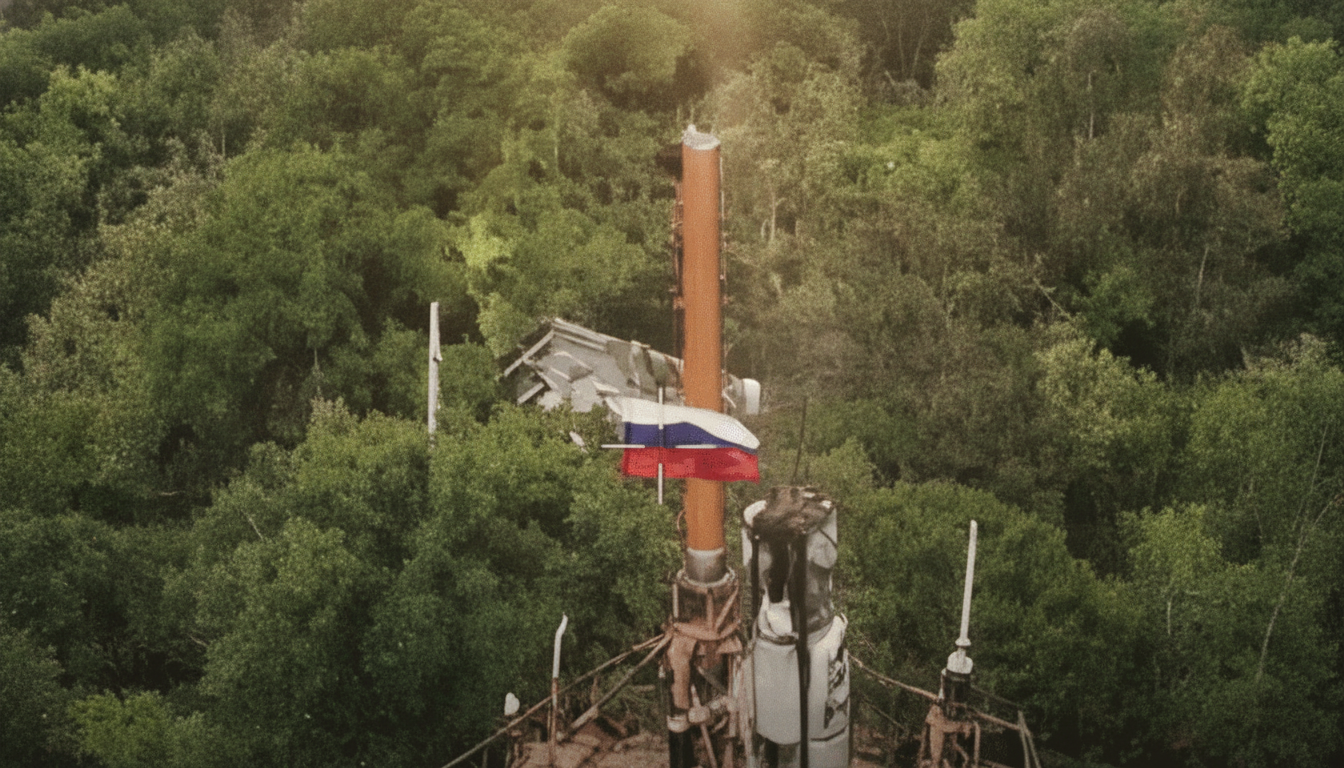
UK to Double Troop Numbers in Norway, Countering Russian Arctic Threat.

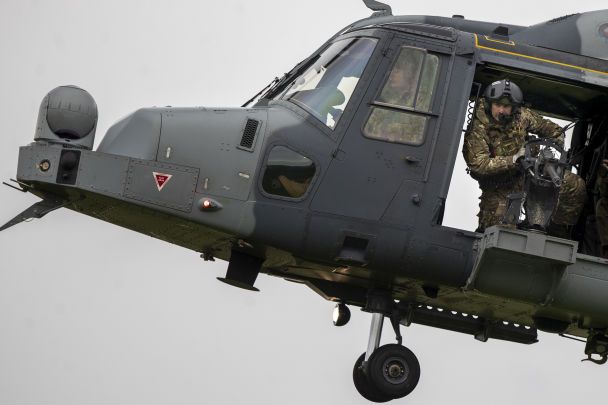
UK Military Deployment in Norway
According to TSN.ua: The United Kingdom is set to significantly increase its military presence in Norway, planning to deploy up to 2,000 personnel. This move is a direct response to heightened Russian military activity in the Arctic and North Atlantic. The decision follows a 30% surge in Russian submarine operations within British territorial waters over the past two years, prompting the British military to reinforce its strategic position in this critical region. This deployment underscores the UK's commitment to Arctic security alongside its NATO allies.
NATO Exercises and Military Preparedness
Large-scale NATO exercises named Cold Response are scheduled for March in Norway, Finland, and Sweden, highlighting the alliance's growing military readiness. These drills aim to enhance interoperability among member states' forces in the face of contemporary threats. Further exercises, Lion Protector, will be conducted by the Joint Expeditionary Force in September.
John Healey noted that 'Russia is rapidly rebuilding its military presence in the region' and that 'Russia poses the greatest security threat to the Arctic and High North since the Cold War'.
This trend of bolstering defense capabilities is evident across Europe. Germany, for instance, plans an urgent purchase of thousands of kamikaze drones worth 536 million euros. Poland has also announced its intention to establish a high-readiness reserve of up to 500,000 personnel from 2026, with an expectation that around 40,000 reservists will undergo training.
Consequently, the increased military activity in Europe and the UK's enhanced presence in Norway signal a significant shift in the region's security architecture. The heightened readiness of NATO members and their joint exercises demonstrate the necessity for collective action to protect national interests against the threat posed by Russia. This underscores the critical importance of international cooperation in addressing new security challenges facing Europe.
Read also
- General Staff Reveals Details of Strikes on Crimea Titan Plant and Russian Logistics
- In May, Ukraine’s Air Defense Neutralized 88% of Enemy Targets as Russia Intensifies Strikes
- Fighting in Kostiantynivka: Military Weighs Cutting Off the City to Trap Russian Forces
- Ukraine Regains 47 Square Kilometers: How Logistics Strikes Are Reshaping the Frontline
- Ukraine Shifts to Patrol Mode Against Russian Logistics from Crimea: Strikes Hit Crossings and Dzhankoi
- Russian Flag-Waving Stunt in Kupiansk Foiled: Ukrainian Drone Strike Destroys Enemy Banner