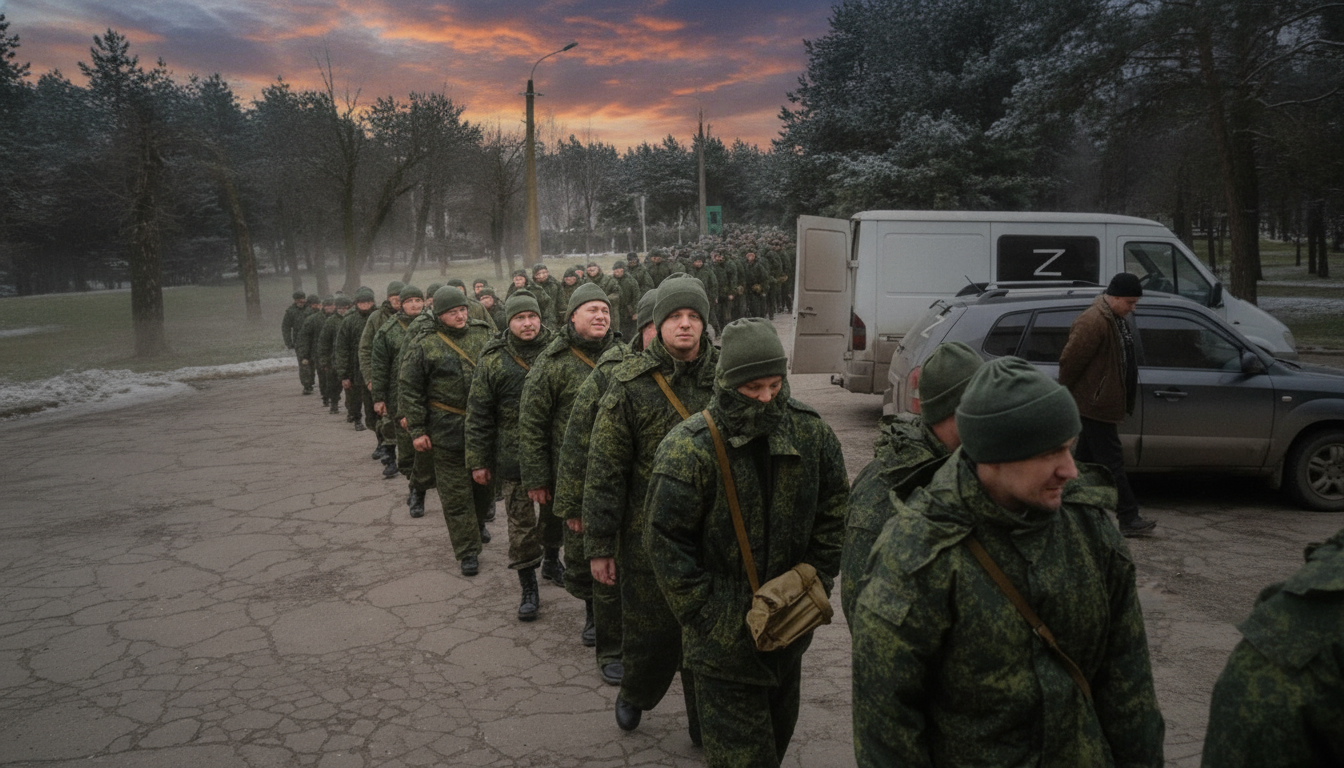
Hungary Blocks New EU Sanctions on Russia, Raising Questions About Orbán's Motives.

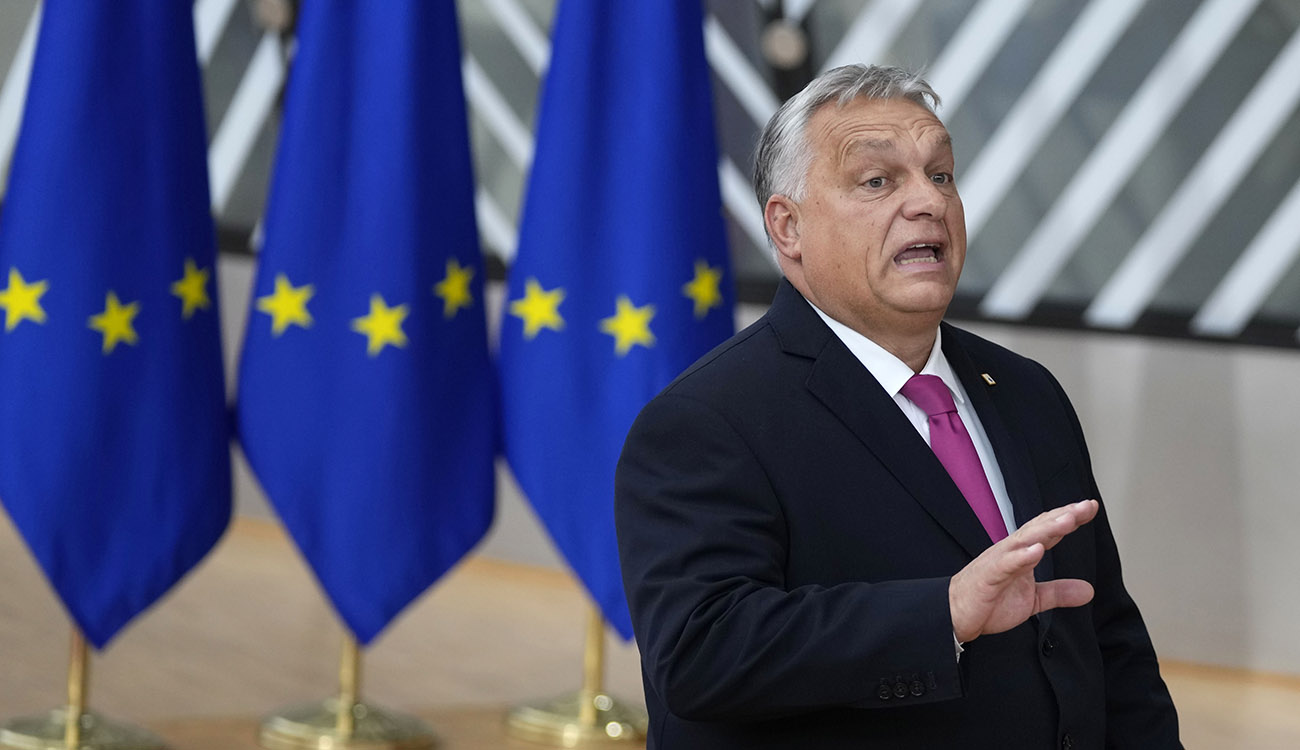
Hungary Vetoes EU Sanctions Package Against Russia
According to UATV: For the twentieth time, Hungary has blocked a European Union sanctions package targeting Russia, a move stemming from complex political maneuvering and potential back-channel agreements with Moscow. According to reports, the EU will likely pause its efforts until after Hungary's national elections conclude in April. This recurring obstruction highlights a significant fracture within the bloc's unified front.
EU foreign policy decisions require unanimous approval, meaning a single dissenting country can derail the entire process. As Alexander Radchuk noted,
"the Hungarian side essentially ignores any of our initiatives."This casts serious doubt on the future of Europe's sanctions policy toward Russia. Furthermore, there is a 'high probability that Viktor Orbán's party may not secure a majority' in the upcoming vote, which could dramatically shift Hungary's stance within the EU.
EU Internal Politics and Support for Ukraine
Separately, the EU is considering a substantial €90 billion loan package to support Ukraine. However, political strategies aimed at dividing the European Union
"are, to a certain extent, yielding results,"making it increasingly difficult to achieve consensus among member states. This internal discord complicates decisive action on critical security matters.
Alexander Radchuk is confident that 'the EU will most likely pause and attempt to wait for the outcome of the April vote.' This anticipated delay underscores how Hungary's domestic political landscape directly influences broader European decisions on foreign policy and security. The situation illustrates the growing tensions within the EU, where unanimity is becoming harder to secure due to the diverging political interests of its members.
The ongoing blockade of Russia sanctions by Hungary showcases the strain inside the European Union. The upcoming Hungarian elections could significantly alter the country's political makeup, which would, in turn, affect its position within the EU. Future developments in this context will be crucial in shaping the Union's strategy toward Russia and its continued support for Ukraine.
Read also
- EU at a Crossroads: Latvia’s Premier Urges Tougher Sanctions on Russia as 21st Package Stalls
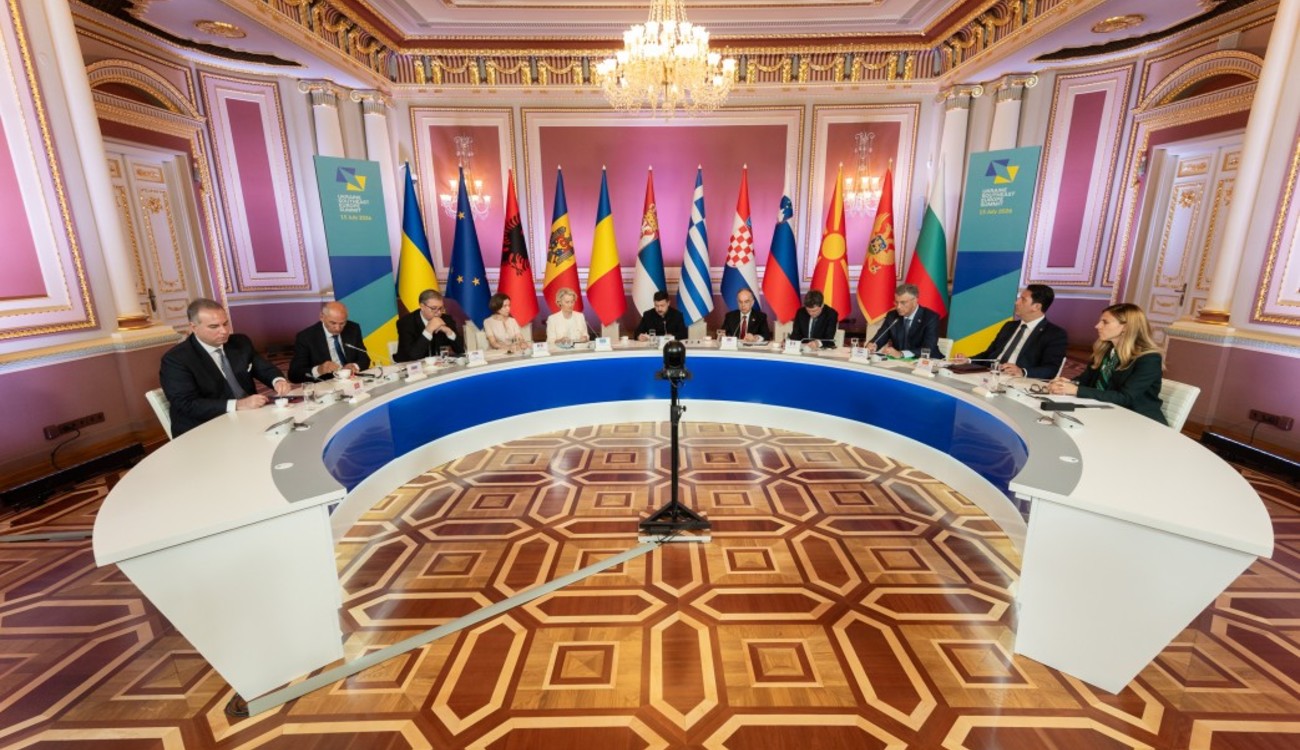
- At Kyiv Summit, Zelensky Urges Europe to Maintain Pressure on Russia Through Sanctions
- Massive protests erupt across Ukraine after defense minister Fedorov is dismissed
- Repeating History: Why Ukraine Lost Its Liberation Struggle a Century Ago
- Russia’s Accusations Over Zaporizhzhia Engineer’s Death Dismissed by Ukraine’s Foreign Ministry
- CIA Director: Russian Soldiers Survive Only 30 Minutes on the Frontline