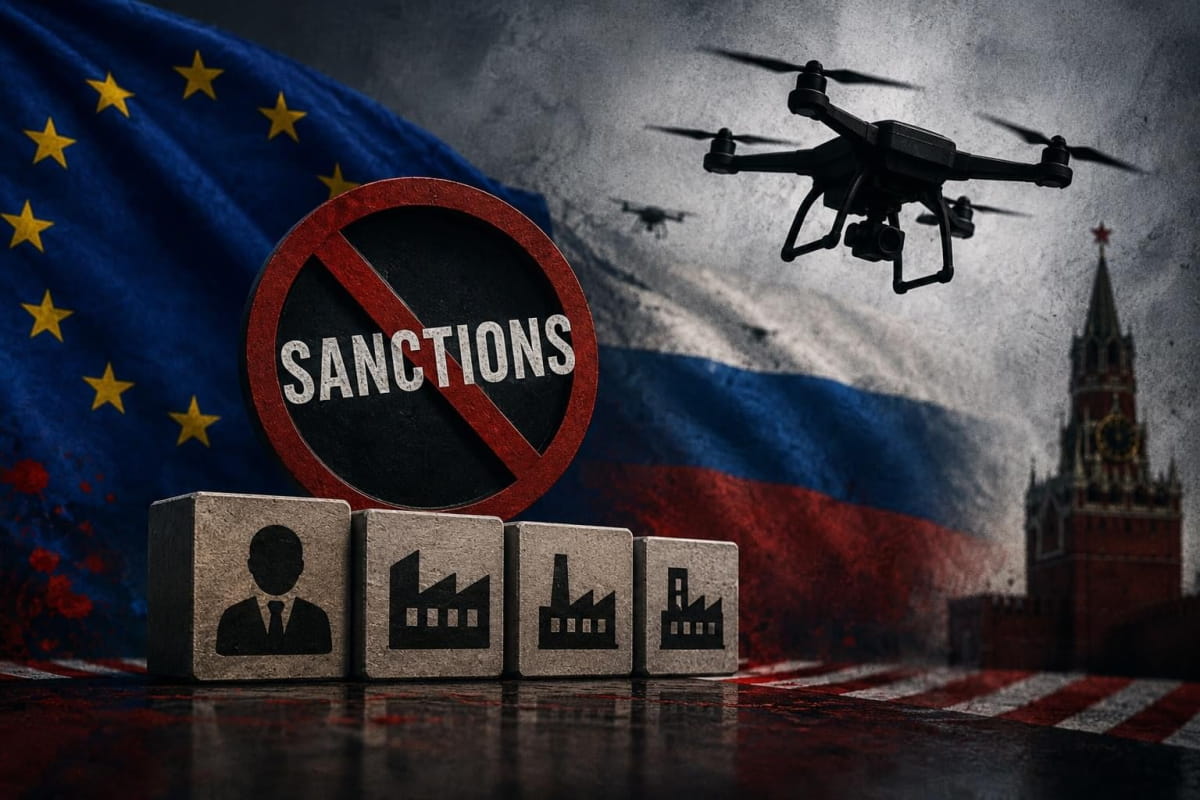
EU at a Crossroads: Latvia’s Premier Urges Tougher Sanctions on Russia as 21st Package Stalls.

New Sanctions Push
According to Espreso.tv: Latvian Prime Minister Kulbergs has called for additional sanctions against Russia, arguing that delays in imposing restrictions are worsening the war in Ukraine. In response to Russian threats, Latvia has already moved to tighten security around its critical infrastructure. The Prime Minister also appealed to NATO for a stronger military presence in the region.
According to reports, the European Commission unveiled its 21st sanctions package on June 9, targeting roughly 250 individuals and entities. Notably, the EU has maintained a ban on entry for all Russian military personnel since the start of the war in Ukraine. However, on July 15, EU ambassadors failed to reach consensus on the package, and the following day Greece blocked it over the shipping company Dynagas.
Security Threats and Countermeasures
Kulbergs highlighted the dilemma now facing European nations:
“Some European countries are making big money from this. The question is: do you want to earn money, or do you want peace? You cannot have both.” - Kulbergs
He also pointed to intelligence reports from Western agencies warning of potential Russian provocations and attacks on Baltic state infrastructure.
In light of these dangers, Latvia has ramped up protection for key sites, including:
- The Inčukalns underground gas storage facility
- The Daugava hydroelectric plant
These steps are designed to safeguard the country’s infrastructure amid growing Russian threats.
The Latvian leader’s call for fresh sanctions underscores the need for European unity in countering aggression. Heightened security at critical assets reflects Riga’s serious approach to regional safety, especially given the current threat landscape. Ongoing debates over sanctions and NATO’s military footprint in the Baltic region could significantly shape the trajectory of the war in Ukraine and broader European stability.
Read also
- Leadership Roles in Ukraine’s Defense and Security Agencies: Which Positions Exist and Which Do Not
- Winter Preparations and Immediate Government Steps Discussed by Zelenskyy with Cabinet
- Zelenskyy Picks Ihor Klymenko for NSDC Secretary Role: Decree in the Works
- Four EU nations back Estonia's push to restrict visas for Russian citizens
- EU Sanctions Target Individuals and Firms Over Strikes on Kyiv: Here’s Who Is Being Penalized and Why
- EU Sanctions Russian Drone Parts Maker ABS Electro: What to Know