Ukraine's Parliament Approves Up to 1 Million Hryvnias for Families of Critical Infrastructure Workers Killed on Duty.

Bill No. 14303: Enhanced Social Support for Critical Infrastructure Personnel
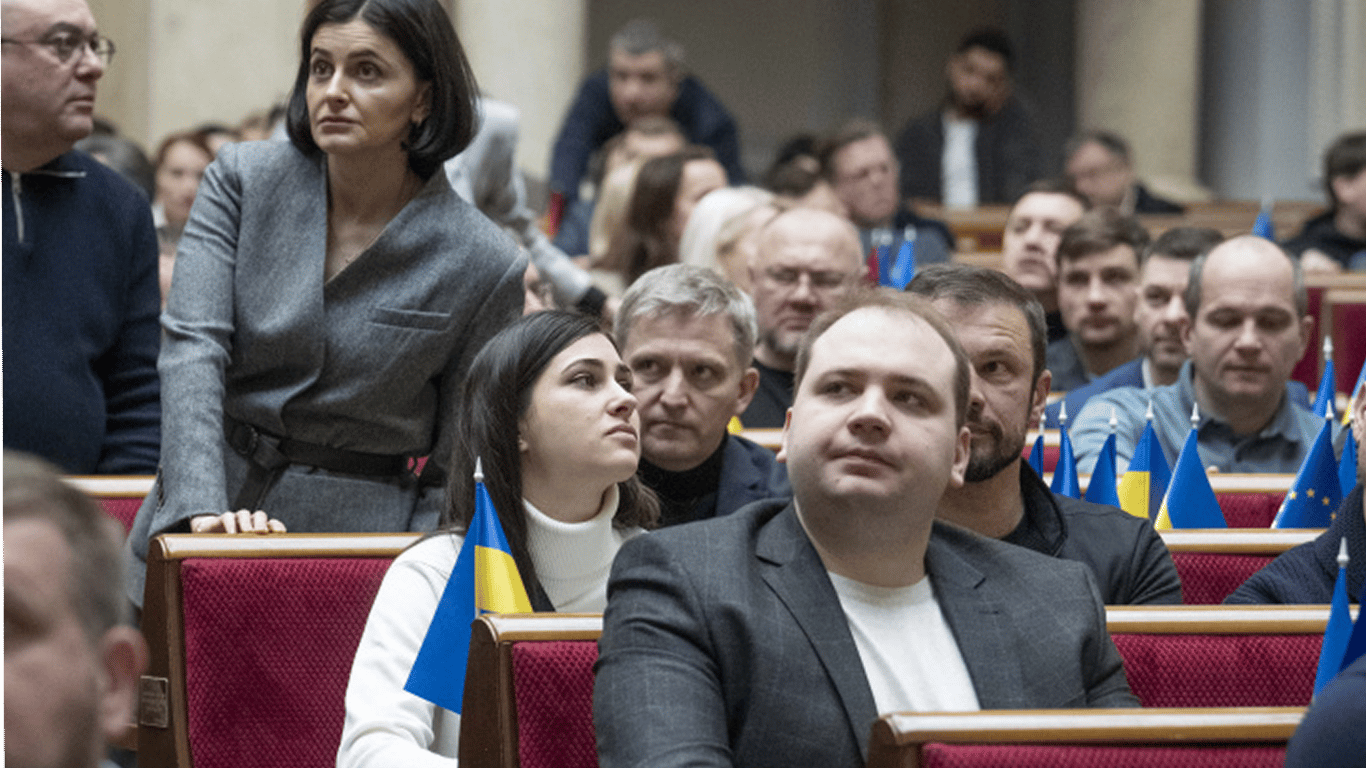
According to Novyny.live: On February 25, Ukraine's parliament, the Verkhovna Rada, passed Bill No. 14303. This legislation streamlines the process for providing one-time financial aid in cases of injury or death at critical infrastructure facilities. The bill amends the existing law on one-time payments to civilians, significantly expanding the rights of critical infrastructure workers. This move comes as Ukraine continues to defend and repair its vital energy, transport, and communication networks.
The new amendments establish the right to financial assistance for the families of workers killed while performing their duties. Eligible recipients of the payment include:
- the spouse;
- children under the age of 23;
- parents;
- dependents.
This support is designed to aid the families of the deceased during profoundly difficult times.
According to the adopted bill, the payment amount varies based on the degree of disability sustained. For a Group I disability, the payment is 800,000 hryvnias; for Group II, 500,000 hryvnias; and for Group III, 200,000 hryvnias. In the event of a worker's death, the payment to the family is 1 million hryvnias. Furthermore, on February 24, a separate law was passed granting one-time payments to employees of the State Emergency Service of Ukraine (SES) in cases of death, capture, or disappearance.
Support for Socially Important Professions
In a related development, the Verkhovna Rada also authorized increased payments for preschool education workers, demonstrating a broader effort to support socially vital professions. These legislative changes aim to improve the protection of rights and social security for individuals who risk their lives working in critical sectors.
The introduction of these new payments and legal improvements underscores the state's commitment to supporting workers who perform essential societal functions, particularly under conditions of elevated risk. This represents a significant step toward strengthening social justice and providing security for the families of those killed or injured in the line of duty. Implementing such measures is also likely to bolster the morale of personnel in critical fields, as they will feel tangible state support during challenging times.
Read also
- Hungary Blocks the Opening of All EU Accession Clusters for Ukraine
- Mass Protests and Fedorov's Resignation: Is a Leadership Shake-Up Coming for Ukraine's Armed Forces?
- After a Clash Between Fedorov and Syrskyi, Ukraine’s Defense Minister Resigns: What Comes Next?
- Zelenskyy Offers Fedorov a Role on Ukraine's National Security Council Amid Protests in 16 Cities
- EU readies 21st sanctions package targeting 90 Russian banks and crypto platforms
- Trump Endorses Sanctions and PAC-3 Licenses, Signaling a US Policy Shift on Ukraine