Veteran Sentenced to 5 Years in Prison for Unauthorized Leave: Case Details.

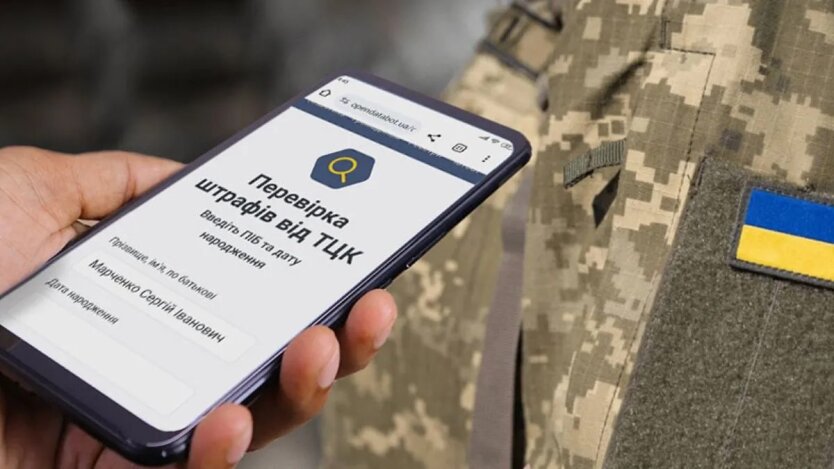
A veteran, whose son is fighting on the front lines, was sentenced to 5 years of imprisonment for unauthorized departure from the military unit. The court decided on this matter on September 1, 2025.
According to inkorr.com: The charges against the serviceman were brought under Article 407 of the Criminal Code of Ukraine, concerning unauthorized leave from the military unit during martial law for more than three days.
Case Circumstances
The soldier was assigned as an assistant grenadier in the security department of the municipal military commissariat. He did not appear for duty, citing poor health, and returned to the unit on March 8.
Defendant's Position
- The soldier maintained contact but did not appear due to a poor state of health.
- He was ready to serve but not in the military commissariat.
- The soldier mentioned that as a father of two children, he cannot leave them unattended.
Prosecution Evidence
Documents from the military unit confirmed that the soldier violated his duties. Medical reports regarding his health condition were also presented in court.
Witness Testimony
The commander confirmed that the soldier did not fulfill his duties and often freed himself from service.
Court Decision
The court found the serviceman guilty and sentenced him to 5 years in prison. The term of punishment will start counting from the moment the verdict comes into effect.
- The pre-trial detention, which began on April 21, 2025, will also be counted towards the total term.
- The preventive measure of detention remains in effect.
An appeal can be filed within 30 days to the Chernihiv Court of Appeal through the Desnyansky District Court.
This case has resonated in society, especially during the prolonged war in Ukraine. It is important not only to hold servicemen accountable for fulfilling their duties but also to consider the specifics of each case, as many factors on the front can affect the execution of orders. The consideration of the appeal may add additional nuances to this situation.
Read also
- Drone Strikes on Refineries Trigger Fuel Crisis in Russia: One in Five Trucks Now Idle
- Russia’s Economy Shows Cracks as Stock Indexes and Business Sentiment Plunge to New Lows
- Russian Billionaire Andrey Melnichenko Shares His Vision for Russia’s Post-War Future
- Fuel Crisis in Russia Exposed by Intelligence: Gasoline Prices Surge by a Third
- Global Fuel Markets Shaken as Ukrainian Drones Undermine Russian Control
- Russian Business Owners Are Moving Billions Abroad Amid Fears of Asset Seizure and Forced War Funding