Can Crimea Be Returned? Why Russia's Domestic Politics Hold the Key.

Russia's Aggression Against Ukraine
According to UATV: The current political landscape in the region was fundamentally shaped by the aggression of the Russian Federation, which began with its annexation of Crimea in 2014. Political scientist Yaroslav Teleshun emphasizes the interdependence between the Kremlin's actions and Russian public opinion. He argues that
“support—whether active or passive—creates legitimacy for the authorities and gives them a sense of entitlement to act as they see fit.”This highlights that Russian society bears significant responsibility for the Kremlin's actions, as its stance can either bolster or undermine the regime's legitimacy.
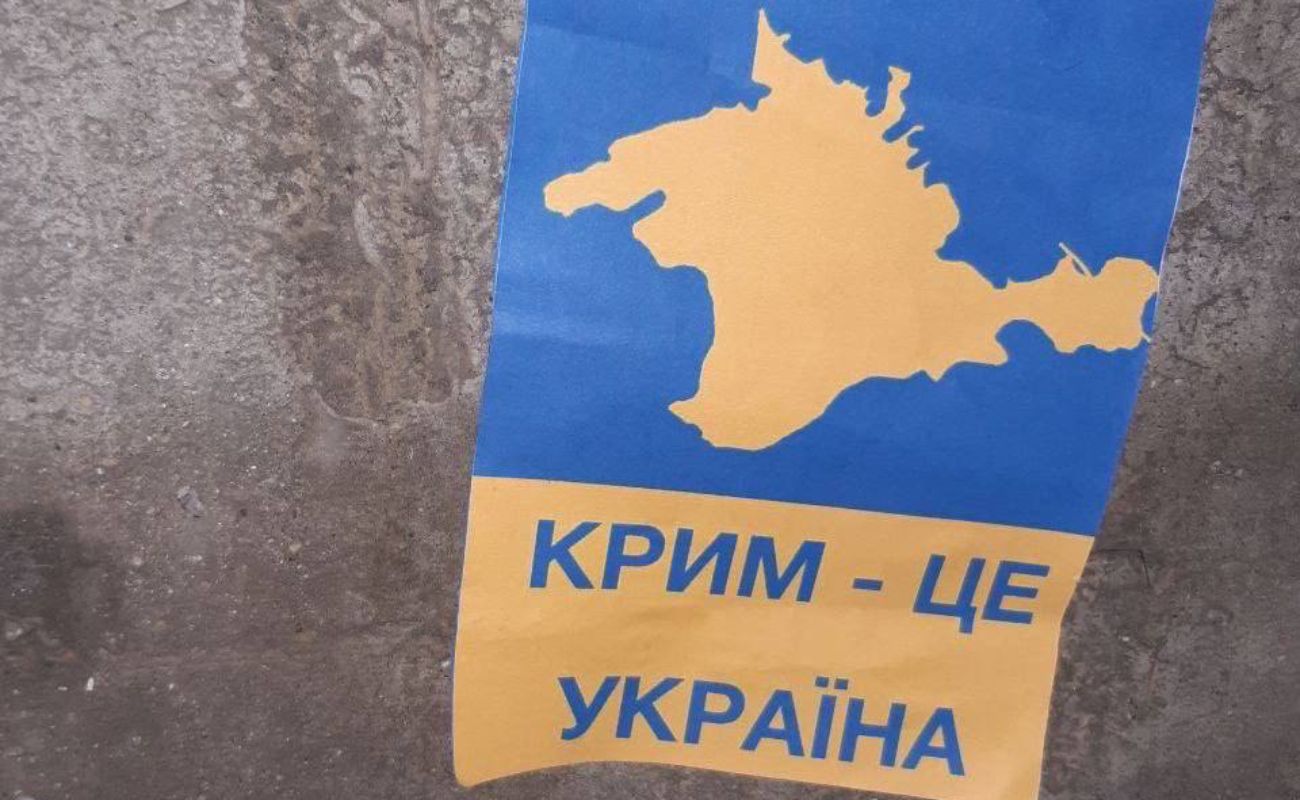
The Crimea Question
Crimea holds both strategic and symbolic importance for Russia, which complicates any prospect of its return to Ukraine. Yaroslav Teleshun observes that
“without serious internal changes within Russia itself, the return of Crimea appears unlikely.”This indicates that resolving the issue of Crimea's de-occupation requires substantial internal shifts within the Russian Federation that could alter the country's political course. The conflict over Crimea is a primary driver of the ongoing war and Western sanctions against Russia.
Thus, the Crimea situation remains complex and is largely dependent on potential shifts within Russian society and its attitude toward the government's actions. Responsibility for the aggression lies not only with the country's leadership but also with a society that either supports or contests these actions. The prospects for Crimea's return to Ukraine remain uncertain, and future developments could significantly impact this situation.
The standoff over Crimea not only reflects Russia's domestic politics but also significantly impacts international relations, particularly between Russia and the West. The dynamics of change within Russian society could either facilitate or complicate conflict resolution, which in turn would affect regional stability. It is crucial to monitor these developments, as shifts in Russia's political environment may have long-term consequences for Ukrainian territorial integrity and European security.
Read also
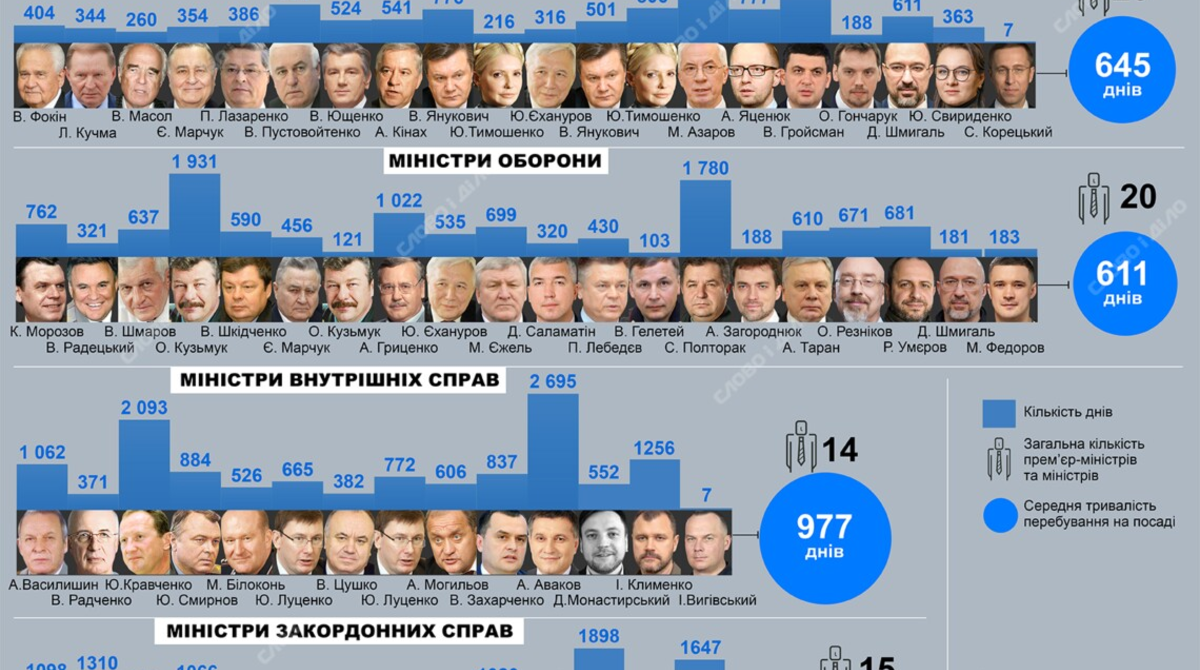
- Shmyhal Breaks Records While Heletei Lasted Just 103 Days: The Average Tenure of Ukraine’s Prime Ministers and Ministers
- Iran Faces Infrastructure Bombing Under New US Strategy Announced by Trump for Strait of Hormuz Attacks
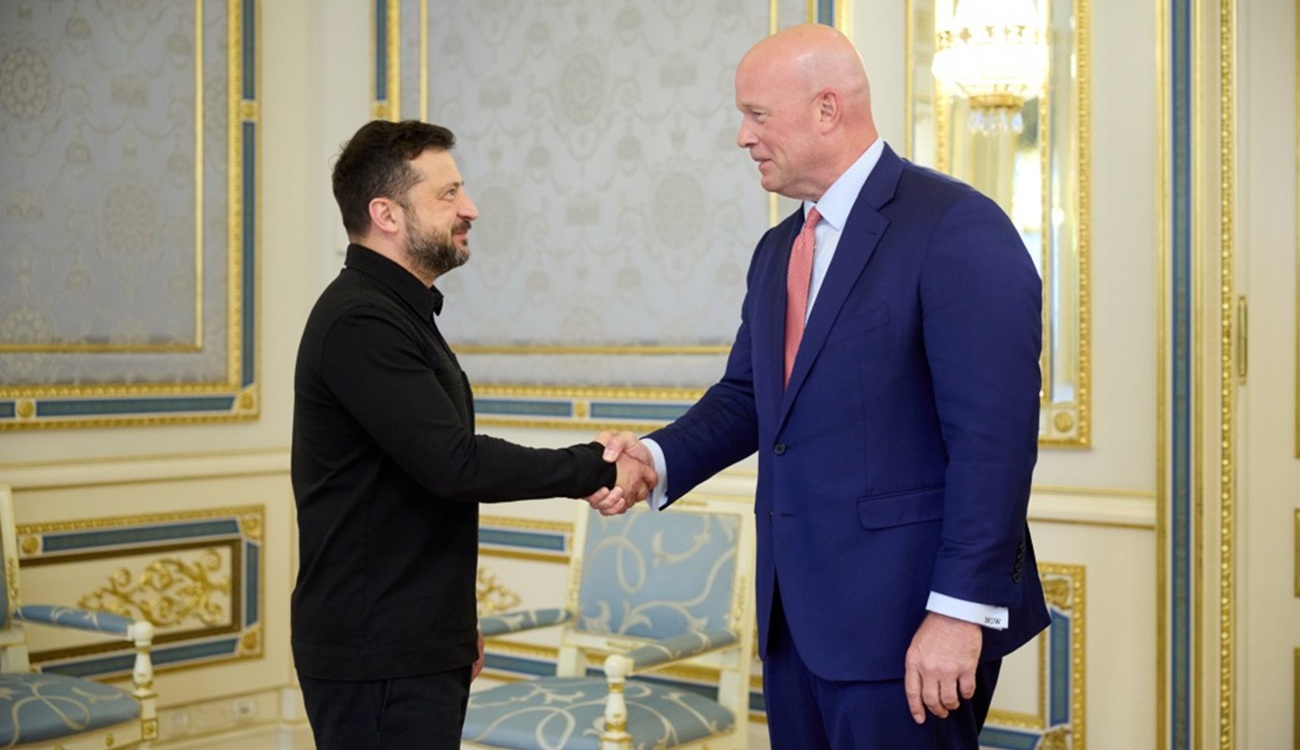
- Air Defense and Patriot Missile Production Discussed by Zelensky and U.S. Ambassador to NATO
- Ukraine’s Air Defense Gets a Boost: New Interceptor Missiles for Patriot Systems Discussed with NATO
- Putin Abandons Plans to Return Occupied Lands to Ukraine: What We Know About the So-Called 'Buffer Zones'
- Patriot Missile Licensing Deals Emerge from Zelenskyy-Wittaker Talks in Ankara