Iran Conflict Set to Boost Demand for Ukrainian Grain: 2026 Outlook.

Why the Middle East Matters for Ukraine’s Agriculture
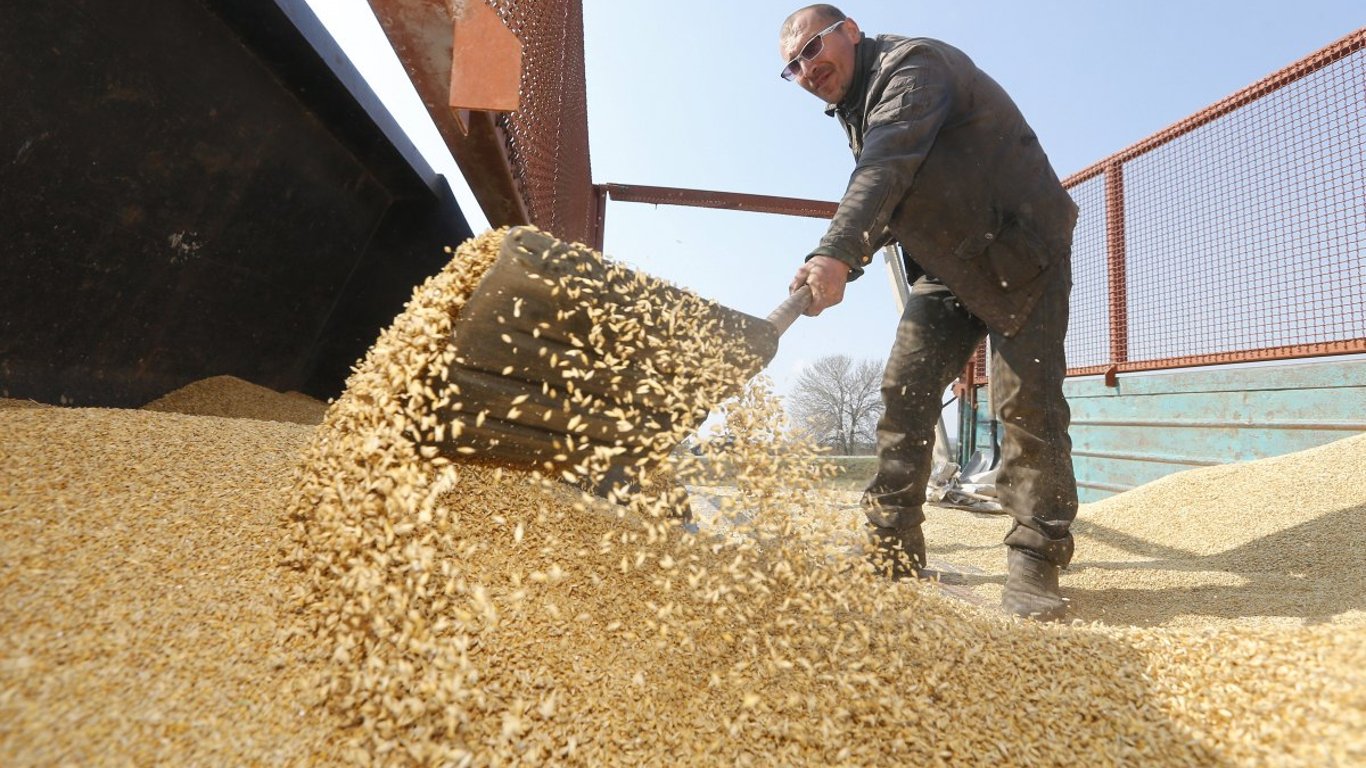
According to Novyny.live: The Middle East is becoming a critical region for Ukraine’s agricultural exports. As the war in Iran disrupts local food systems, demand for key commodities like wheat, corn, and sunflower oil is expected to rise sharply, reshaping food security dynamics in the area. Denis Marchuk, deputy head of the All-Ukrainian Agrarian Council, noted that
“demand for these products will increase.”For an English-speaking audience, it is important to understand that Ukraine is already a major global grain supplier, and any shift in Middle Eastern demand directly impacts world food prices and trade flows.
Analysts project that this heightened demand for Ukrainian agricultural goods will continue to grow through 2026. The driving forces are not only geopolitical tensions but also the urgent need to stabilize food supplies in conflict-affected regions. This trend opens up significant opportunities for Ukrainian farmers to expand their footprint in international markets.
Challenges Facing the Agricultural Sector
Still, the outlook is not without obstacles. In 2026, Ukraine’s fertilizer campaign is expected to cost 20–25% more than the previous year. Marchuk highlighted that
“production costs are rising, so raw material prices must be higher.”This could undermine the competitiveness of Ukrainian products on the global stage.
As a result, Ukraine’s agricultural sector finds itself at a crossroads between global demand and rising input costs. The situation in the Middle East, particularly the Iran conflict, could act as a catalyst for boosting Ukrainian exports, but it also demands greater efficiency and innovation from producers.
Rising global demand for Ukrainian farm goods amid international crises may serve as a key driver for the country’s economic growth. At the same time, farmers must carefully manage cost pressures to stay competitive. Smart resource management and technological advances in agriculture will be essential to successfully navigating these new challenges.
Read also
- Ukraine Strikes Russian Ports: The Cost of a Month-Long Shutdown at Tuapse
- Fuel Shortage in Crimea: Russian Logistics Crippled by Ukrainian Strikes, Says Feigin
- Ukraine’s Strikes Trigger Fuel Crisis as Russia Loses 40% of Oil Refining Capacity
- Ukraine Strikes 42 Russian Vessels in 11 Days as Drone Campaign Intensifies
- Russian Stock Market Crashes Nearly 9% — What This Means for the Economy
- Record 324 MW of Wind Power Built in Ukraine in 2025: Here’s Where the New Farms Are