Putin's Strategic Blunder: Why the Invasion of Ukraine Has Stalled, According to Military Analyst.

An Analysis of Russia's Strategic Failures in Ukraine
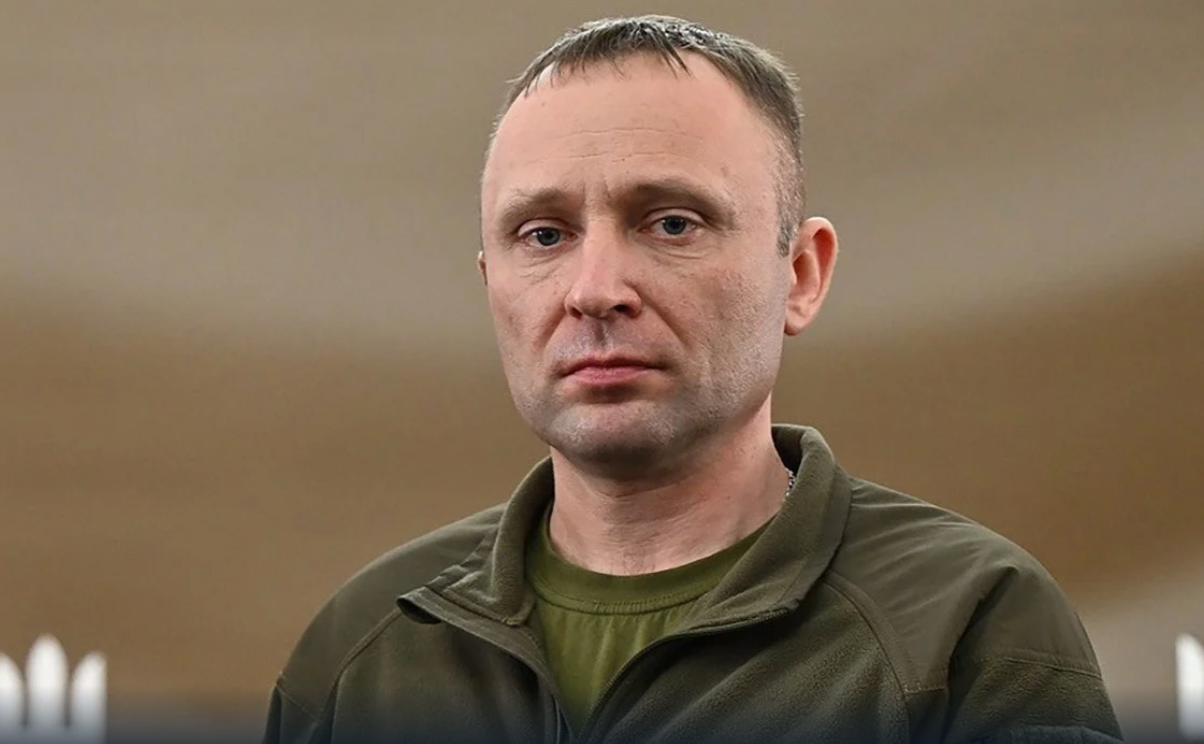
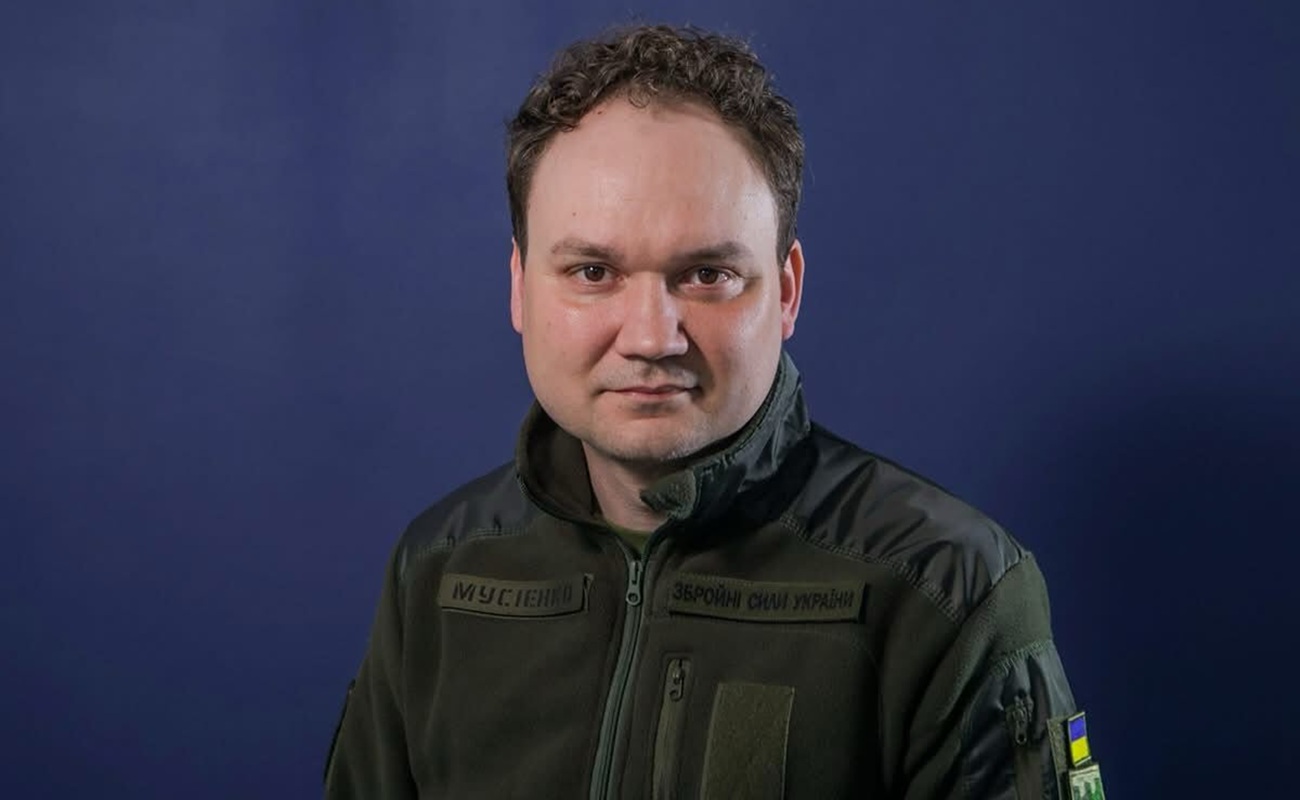
According to UATV: Military analyst Alexander Musienko has stated that the decision to launch a full-scale invasion of Ukraine was a strategic error by Vladimir Putin, resulting in a protracted war and severe losses for Russia. The expert argues that the Russian army has failed to achieve its primary objectives, notably the capture of the Donetsk region. This outcome clearly demonstrates Russia's inability to execute the war's key strategic tasks.
Ukrainian Tactical Successes and Russian Challenges
Based on his analysis, Ukrainian forces have repelled Russian tactical advances, highlighting the effectiveness of Ukraine's defensive operations. Musienko emphasized that
"Putin has become trapped by his own mistakes,"indicating that the high-level decision-making has proven flawed and led to a drawn-out conflict.
The expert further noted:
"Russia has not captured the Donetsk region, nor has it established a bridgehead to transition from tactical to operational offensives."This means Russia has been unable to secure stable positions for further advancement, significantly complicating its military efforts. He also pointed to a trend in Russian propaganda, observing that
"Russia is currently presenting its minor tactical successes as major achievements."This suggests attempts by Russian leadership to portray the situation more favorably than reality warrants.
Thus, Musienko's assessment points to the serious challenges Russia faces in this conflict. Failures in implementing strategic plans and a lack of significant territorial gains demonstrate that the frontline situation remains tense, with potential for unforeseen consequences for all war participants. This analysis underscores the critical importance of strategic planning in military conflicts and the repercussions of underestimating an adversary.
Amid ongoing combat and mounting losses for both Russia and Ukraine, developments on the battlefield leave open questions about potential shifts in strategy for both sides. The conflict, now in its third year, has defied initial expectations of a swift Russian victory. Given these factors, the international community continues to monitor the situation closely, as it holds significant implications for regional and global security.
Read also
- General Drapatyi Takes Command: What Shifts Lie Ahead for Ukraine’s Armed Forces
- Hungary's Top Prosecutor Steps Down After Controversy Over Ukrainian 'Gold Convoy'
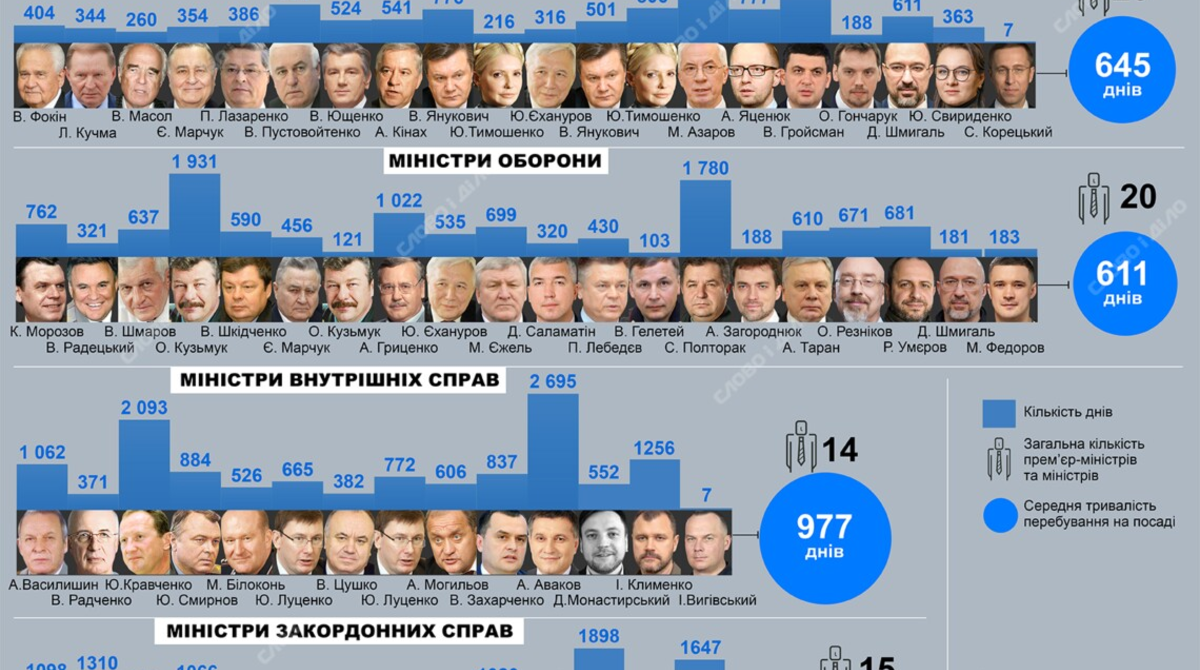
- Shmyhal Breaks Records While Heletei Lasted Just 103 Days: The Average Tenure of Ukraine’s Prime Ministers and Ministers
- Iran Faces Infrastructure Bombing Under New US Strategy Announced by Trump for Strait of Hormuz Attacks
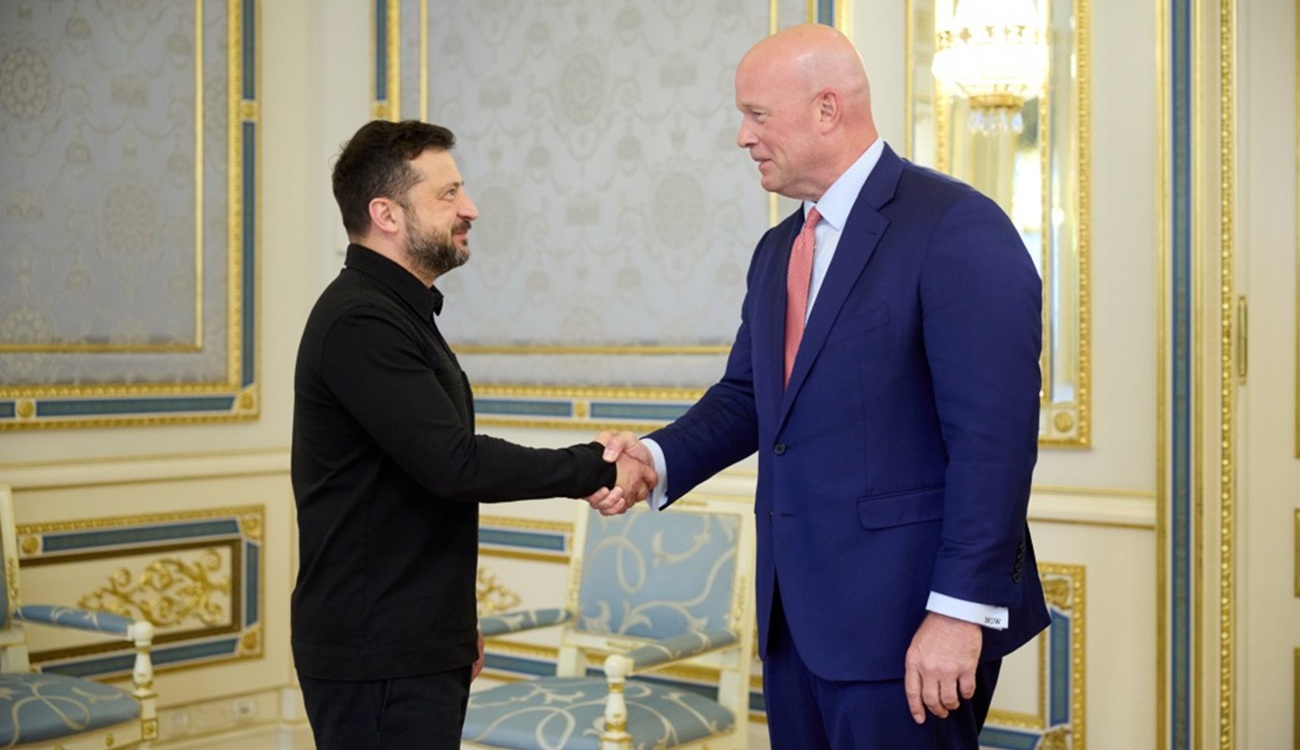
- Air Defense and Patriot Missile Production Discussed by Zelensky and U.S. Ambassador to NATO
- Ukraine’s Air Defense Gets a Boost: New Interceptor Missiles for Patriot Systems Discussed with NATO