Shrinking Milk and Oil Bottles: How Shrinkflation Tricks Shoppers Into Paying More for Less.

Shrinkflation: A Modern Consumer Trap
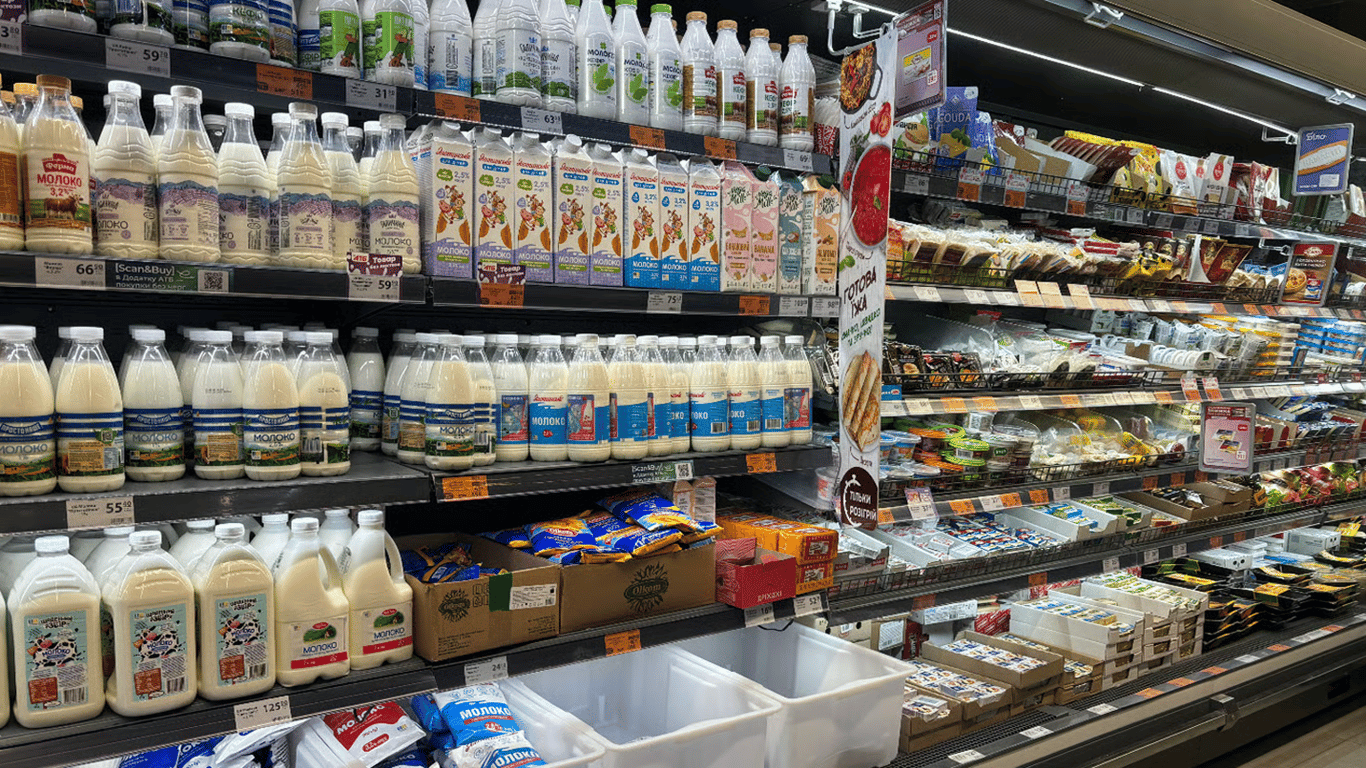
According to Novyny.live: Shrinkflation—the practice where manufacturers reduce product volume while keeping prices unchanged—is becoming increasingly common in today’s marketplace. This means buyers may receive less product for the same cost, raising serious concerns about pricing transparency. For example, milk and cooking oil containers are often downsized to 900 ml, 850 ml, or even as low as 775 ml. Many shoppers don’t scrutinize package labels, making them vulnerable to this subtle deception.
What Shrinkflation Really Means and Why It Matters
The term 'shrinkflation' combines the English words 'shrink' and 'inflation.' While not a new concept, it has gained fresh momentum amid economic instability. Producers use various tricks to keep prices steady while cutting product volume—whether by reducing package size or altering recipes. The result is a lower real value for the consumer, even though the price tag remains unchanged.
Importantly, shrinkflation is not illegal as long as the product volume is correctly listed on the label. This means shoppers who fail to read the fine print may never realize they are getting less. To avoid unpleasant surprises, consumers must stay informed about this practice and always check packaging details carefully.
Given this reality, shoppers should pay close attention to product volumes and compare them with prices. Doing so not only saves money but also enables more informed purchasing decisions. Understanding shrinkflation is a vital part of navigating today’s economy.
Shrinkflation reflects broader economic trends, where manufacturers strive to protect profits amid rising costs. This process can have serious consequences for consumers, who may not realize they are paying more for less. Greater awareness of shrinkflation can lead to smarter consumption and stronger demands for fair pricing practices from producers.
Read also
- Russian Stock Market Crashes Nearly 9% — What This Means for the Economy
- Record 324 MW of Wind Power Built in Ukraine in 2025: Here’s Where the New Farms Are
- How Donetsk Once Served as the Heart of a British Colony in Ukraine: The Story of Yuzivka
- Drone Strikes on Refineries Trigger Fuel Crisis in Russia: One in Five Trucks Now Idle
- Russia’s Economy Shows Cracks as Stock Indexes and Business Sentiment Plunge to New Lows
- Russian Billionaire Andrey Melnichenko Shares His Vision for Russia’s Post-War Future