YASNO CEO Explains High Power Bills Amidst Rolling Blackouts.

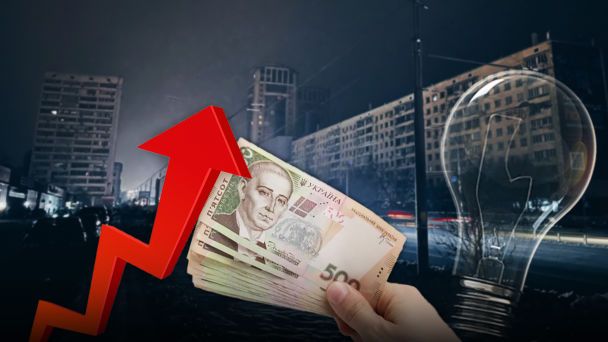
Ukraine's Electricity Billing Situation
According to TSN.ua: Despite enduring prolonged power outages, many Ukrainians are receiving unexpectedly high electricity bills. Sergey Kovalenko, CEO of the energy supplier YASNO, explains that these charges can accumulate even during blackouts lasting 12 to 15 hours per day. The current average electricity price of 4.32 hryvnias per kilowatt-hour also contributes to the size of the payments. This situation is occurring against the backdrop of Russia's ongoing attacks on Ukraine's energy infrastructure, which have severely damaged the national grid.
How Electricity Bills Are Calculated
"The bill is an equation with two components," states Sergey Kovalenko. "The first is the fixed price set by the state, 4.32 per kilowatt. The second is your actual consumption, which is the reading from your meter. We multiply the meter reading by the tariff to arrive at the bill amount."
He advises that to correct any billing errors, consumers must submit accurate meter readings, which will allow for a recalculation in the next billing cycle: "What needs to be done? You need to submit the real meter readings, and they will be recalculated in the next cycle. There is no problem with that."
The power supply situation in Ukraine remains difficult. On February 27, DTEK announced schedules for hourly power cuts, including blackouts for the Khadzhibey and Peresyp districts of Odesa. Furthermore, the National Bank of Ukraine forecasts that electricity tariffs could rise in 2026, raising additional concerns among consumers.
In this context, it is important to note that Ukrainians continue to face the effect of 'deferred consumption,' where high electricity bills result from unpredictable supply disruptions. Users should be attentive to their meter readings and submit them promptly to avoid unnecessary costs. The situation requires continued monitoring and active measures from energy companies and state authorities.
Read also
- Europe’s Energy Market Sees Ukraine Shift Roles: New Assets and Emerging Challenges
- Woman Accused of Smuggling Aircraft Parts to Evade Sanctions—What It Means for Russian Aviation Safety
- May 2026 government salaries revealed: Shmyhal takes home nearly 129,000 hryvnias
- Poland Proposes Minimum Wage Hike for 2027: What the New Rates Could Look Like
- Inflation Forces Russia’s Central Bank to Keep Rates High as Antimonopoly Watchdog Targets Economists Over Forecasts
- Massive Sewage System Construction Planned in Odesa Amid Illegal Wastewater Dumping