Mechanisms for Transferring Evidence of Russia's Aggression to the Tribunal: How It Will Work.

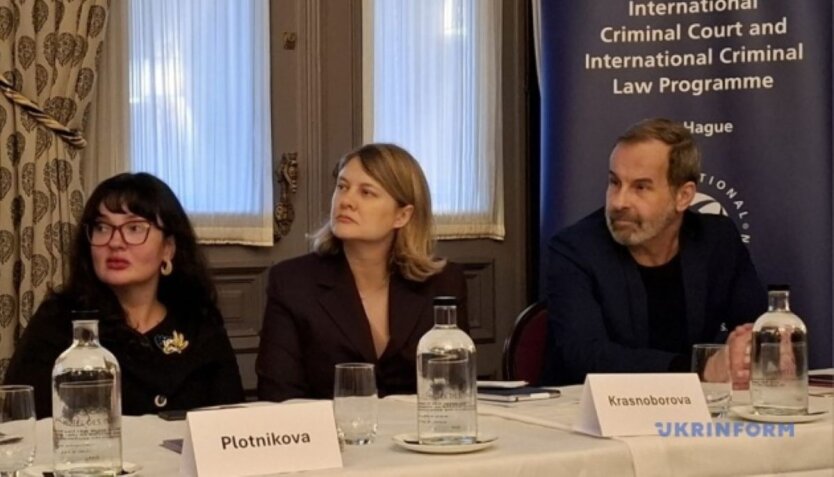
The Prosecutor for Ukraine's cooperation with Eurojust, Myroslava Krasnoborova, stated that the mechanisms for transferring evidence of Russia's aggression from Ukraine to the Special Tribunal are defined in the Statute. According to Article 23 of the Statute, the Attorney General of Ukraine will have the right to transfer materials of criminal proceedings gathered within the framework of the national investigation of the crime of aggression to the tribunal.
Cooperation with Eurojust
According to inkorr.com: Another way for cooperation is through interaction with Eurojust, specifically via the CICED system – an electronic database of international crimes. All verified evidence with a reliable chain of custody can be transferred to the tribunal if there is a legal basis and consent from the country that provided them.
'We are already working on possible legal and technical mechanisms for this process,' emphasized Krasnoborova.
Overall Process for Transferring Evidence
The representative of the prosecution also noted that the Attorney General of Ukraine has the right to transfer materials of criminal proceedings to the Special Tribunal. Cooperation, besides the electronic database, also includes the transfer of verified evidence of international crimes. These processes are actively discussed and researched for further implementation.
The development of cooperation with Eurojust and the provision of evidence to the Special Tribunal are important steps in the legal process against Russia's aggression. This may significantly impact the ability to hold the guilty accountable at the international level as well as strengthen Ukraine's support in the legal field.
Read also
- Global Fuel Markets Shaken as Ukrainian Drones Undermine Russian Control
- Russian Business Owners Are Moving Billions Abroad Amid Fears of Asset Seizure and Forced War Funding
- Former Minister Sobolev Takes on New Role in the President’s Office: What He Will Be Working On
- India Becomes Fuel Supplier to Russia as Diesel Shortage Bites
- Currency Panic Grips Ukraine: Expert Reveals Why People Are Losing Faith in the Hryvnia
- Major Salary Hikes Planned for Ukrainian Rescuers: Here’s What They Could Earn